






The reproduction, The gestation period and birth of giant panda cubs is an extraordinary event that fascinates the entire world. Let's find out why.
The Birth of Giant Panda Cubs: The First Months of Life
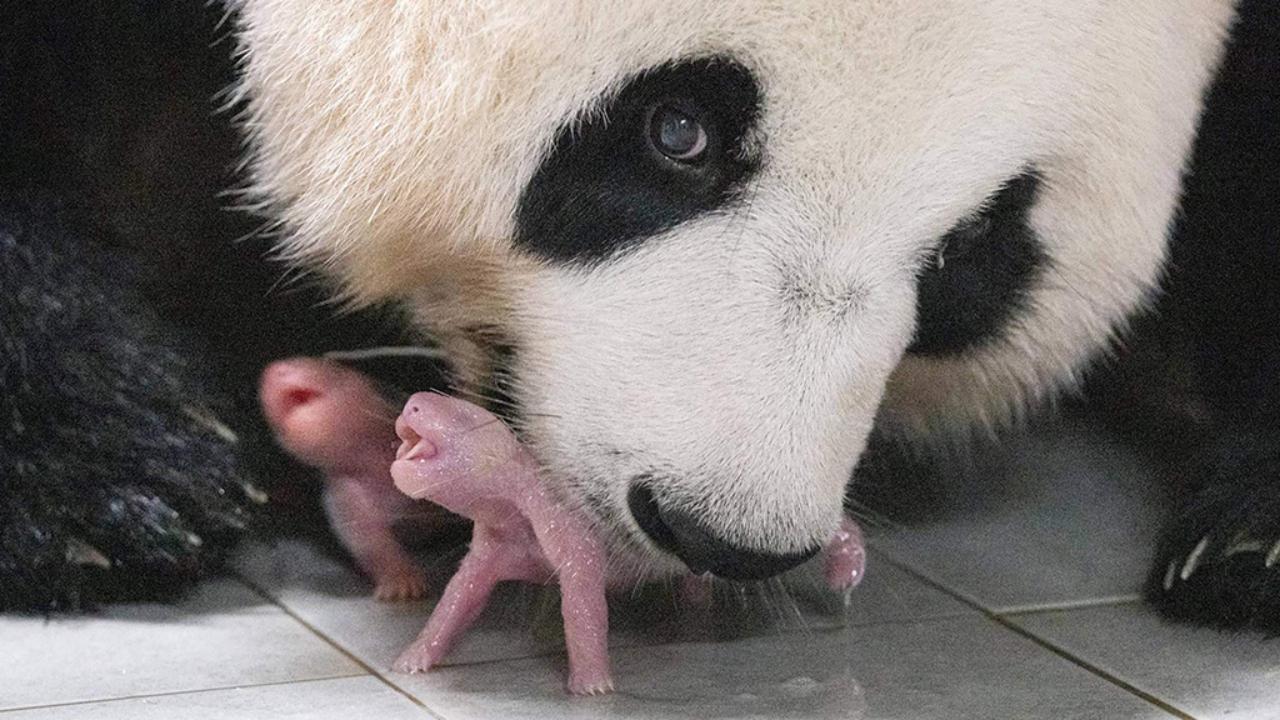
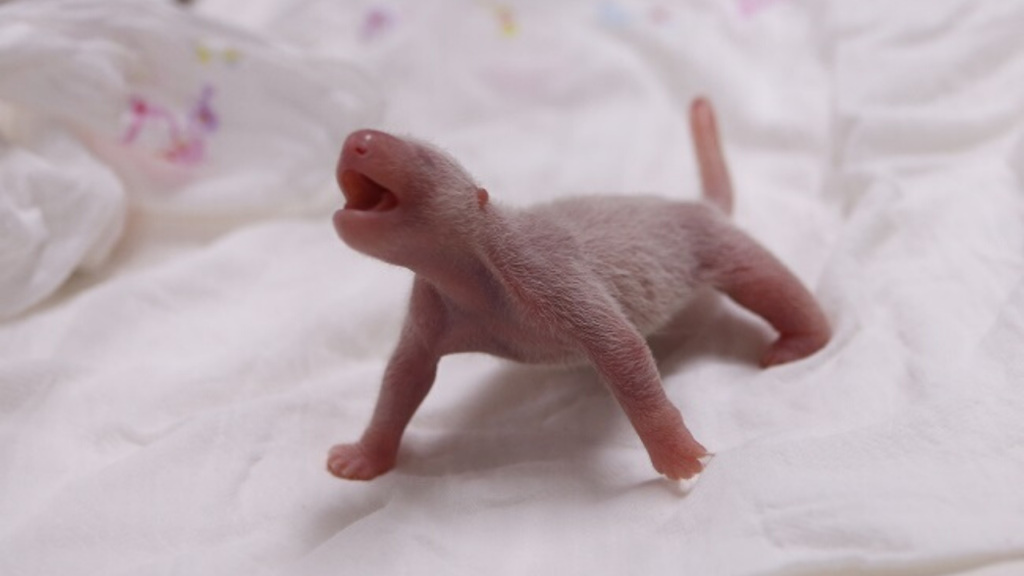
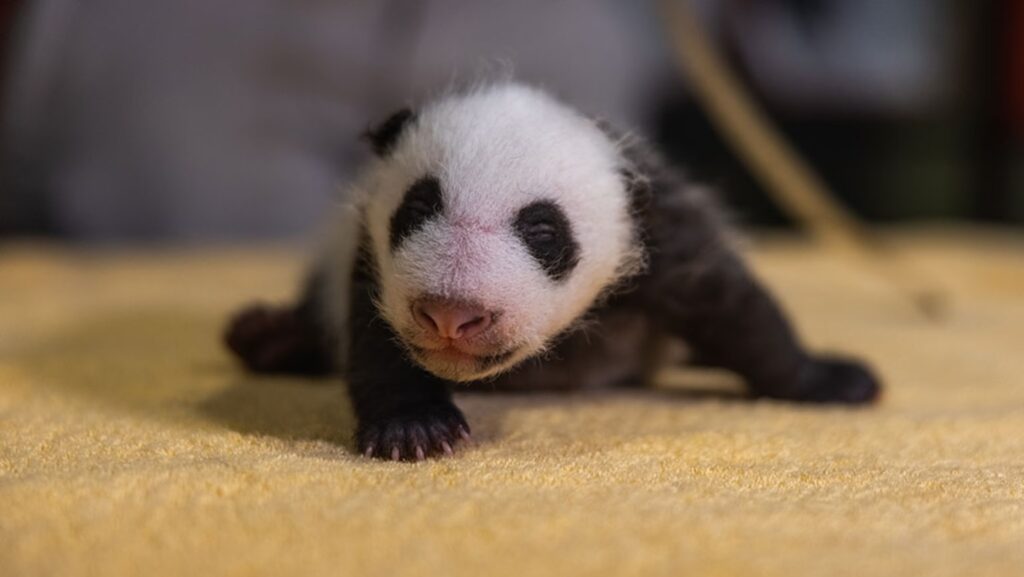
Quando nascono i cuccioli di panda gigante, sono incredibilmente piccoli, grandi quanto un criceto e possono pesare tra gli 80-200 grammi. A peculiar feature is their pink appearance and appears quite immature, weighing only about 0.11 TP3T of its mother, with an average weight of about 145 g. The lightest cub ever recorded weighed 51 g, and the heaviest 225 g. The cub's skin is pink with sparse white hair. Only by the third week of life do they begin to be covered in the classic black and white coat. In about a month, black ears, spots around the eyes, paws, and a shoulder band appear. Furthermore, the mother remains in a special space with the cubs, while the male lives alone.
The gestation period
Il periodo di gestazione del panda gigante, si estende per lo più da 83 a circa 200 giorni. I cuccioli nascono solitamente verso agosto, in una fossa ben nascosta e protetta di un albero o in una grotta naturale con rami e fieno accuratamente disposti dalla madre. Le madri panda dedicano solitamente un anno e mezzo ad allevare i loro cuccioli e generalmente non si riproducono durante questo periodo. Questo fa sì che i panda giganti di solito partoriscano ogni due anni. Allevare i cuccioli è piuttosto difficile per le femmine di panda gigante, e di solito dura 18 mesi, il che significa un intervallo di circa 2 anni tra le nascite.
For weeks after birth, the mother panda will hold her cub in her arms to warm and protect it, never putting it down, but grabbing it with her jaws whenever it moves. Naturally, this is aided by the ever-present panda nanny, who helps the cub defecate with a few movements of its bowel movements. Sometimes, the mother herself may even assist in expelling feces.
You may also be interested in:
The bond between a mother and her baby panda: here's how long they stay together
First panda cub in Indonesia: Who is Rio and why could he boost tourism?
Indonesia: Rio's first panda cub turns 40 days old.
Panda Ai Hin fakes a pregnancy
Why do panda cubs have to return to China after 4-5 years?
Quando i cuccioli di panda gigante assaggiano il bambù? Lo svezzamento mese per mese
Newborn communication
During breeding, the cub's cries are a very important means of communication for mother and cub. Through different sounds, giant panda cubs communicate their needs to their mother, such as whether they want to drink breast milk, defecate, or if they are experiencing cold, heat, or other discomfort. Innovative research at the Panda Base has addressed key technical issues in cub reproduction and rearing. Efforts dedicated to prenatal and postnatal care, rigorously selecting females of appropriate age for breeding, and continuously improving their genetic structure, aim to maintain good genetic diversity in the captive population. The birth of giant panda cubs, such as Fu Bao and the twins Rui Bao and Hui Bao in South Korea, plays a crucial role in raising public awareness of the importance of species conservation. Giant pandas are born blind and unable to regulate their temperature, being almost hairless at birth. Due to their short gestation period compared to other bears, they are also born underdeveloped, with their brains not fully formed.