






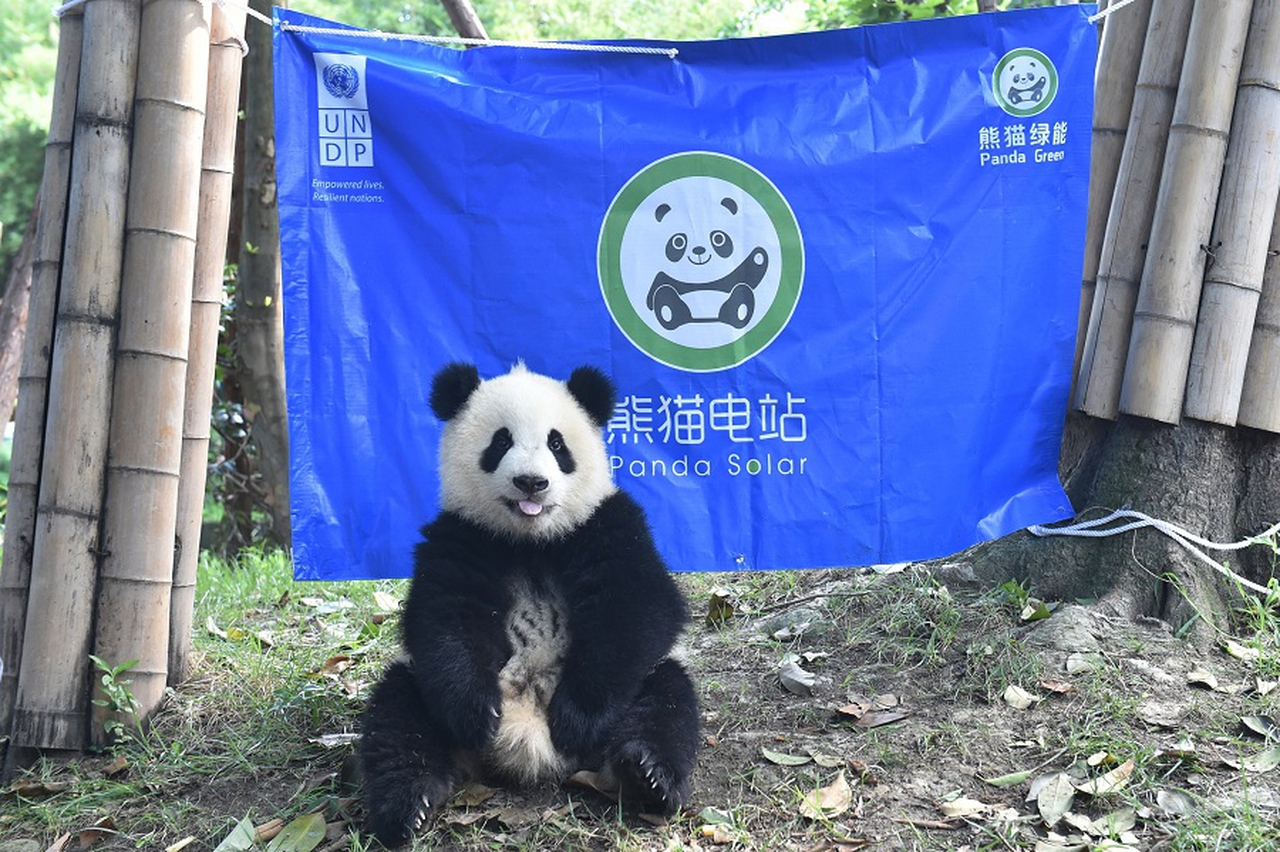
The giant panda, a symbol of China and a global icon of conservation, is today one of the most sought-after attractions for travelers. But how can you visit its reserves without compromising the fragile habitat in which it lives? The answer is sustainable tourism, an approach that allows you to discover the panda while respecting the environment and supporting local communities. In this guide, you'll find the best places to observe giant pandas, eco-friendly itineraries, and practical tips for organizing a responsible travel to China.
Giant Pandas and Tourism: A Guide to Responsible Travel in China: Why It Makes a Difference
In recent decades, conservation programs have allowed the wild panda population to grow, so much so that the International Union for Conservation of Nature (IUCN) has reclassified the species from "endangered" to "vulnerable." However, the habitat fragmentation, intensive agriculture and climate change remain real threats. Choosing the’ecotourism It means contributing to the protection of the giant panda and funding projects that keep bamboo forests alive.
Where to see the giant panda: the most important nature reserves
Chengdu Research Base of Giant Panda Breeding
A few kilometers from the center of Chengdu, This research base is the gateway to the world of pandas. Here, visitors can observe pandas in semi-natural environments and participate in educational programs on biodiversity. It's recommended to book in advance and visit early in the morning, when the animals are most active.
Wolong National Nature Reserve
Located in Sichuan, it is one of the largest and most historic reserves dedicated to the giant panda. It offers nature trails, research centers, and eco-friendly trekking opportunities accompanied by certified guides. It's the ideal option for those seeking an immersive nature experience.
Qinling Reserves: Foping Nature Reserve
In the Qinling Mountains lies the Foping Reserve, renowned for its unique biodiversity. Here, responsible tourism allows you to combine panda watching with cultural activities involving local communities, including sustainable agriculture and handicrafts.
You may also be interested in:
Panda Hotel in Chengdu: Prices, Amenities, and Location
Giornata Mondiale degli Animali 2026
Recommended itinerary for giant pandas and responsible tourism in China
An example of a 7-day trip on the trail of the giant panda:
- Day 1-2: Chengdu — visit to the research center and immersion in the local culture.
- Day 3-5: Wolong — trekking in bamboo forests, overnight stays in eco-lodges, and guided tours.
- Day 6-7: Qinling — ecotourism experiences with local communities, returning via Xi'an.
This scheme reduces environmental impact by prioritizing public transport, sustainable stays, and certified tour operators.
Practical tips for eco-friendly travel
- Keep your distance from pandas: never seek direct contact.
- Reduce plastic use: water bottle holders and reusable bags.
- Support local communities: choose guesthouses and guides managed locally.
- Book in advance: Many reserves limit the number of entries to protect the habitat.
- Check the certification of the operators: prefer those that comply with the standards of the Global Sustainable Tourism Council (GSTC).
Responsible tourism: an investment for the future
Visiting giant pandas in China is not only a dream come true, but also an opportunity to make a difference. Every sustainable choice—from staying in eco-friendly accommodations to purchasing local products—helps fund forest conservation and ensure the giant panda's future. In short, the responsible tourism in China it's not a fad, then, but a commitment. That of traveling while respecting nature, enhancing communities, and leaving a positive legacy for future generations.