






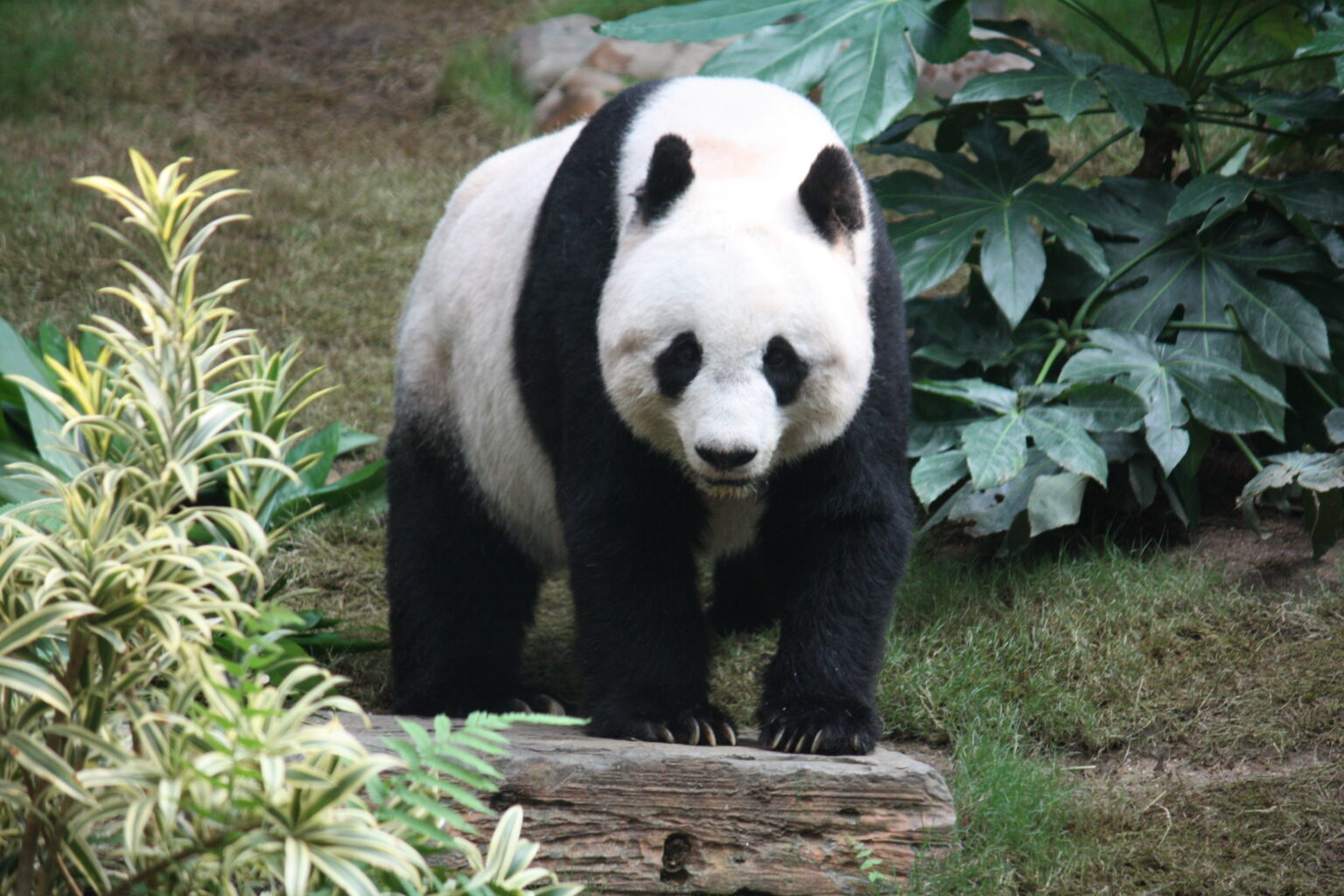
I giant pandas Are they endotherms? They are fascinating not only for their cute and iconic appearance, but also for their extraordinary thermoregulation capacity. These warm-blooded mammals, or endotherms, they maintain a stable body temperature regardless of external climatic conditions – a characteristic that clearly distinguishes them from cold-blooded animals, such as reptiles or amphibians.
Giant pandas are endotherms: how does the giant panda's body temperature work?
There giant panda's body temperature it hovers around the 38.3 °C, perfectly in line with that of other large mammals. This thermal constancy is essential to ensure the correct functioning of enzymes, metabolism and cellular processes. Thanks to this balance, pandas are able to live and thrive even in the mountain forests of central China, where the climate can vary dramatically between warm seasons and freezing winters.
Panda Metabolism: Energy, Bamboo, and Survival
Being warm-blooded animals, the giant pandas produce internal heat through the metabolic processes. However, their diet is almost entirely composed of bamboo, a low-calorie food. To compensate for this low energy intake, an adult panda can consume up to up to 40 kg of bamboo per day. A true "green buffet" that allows it to generate the energy needed to maintain a stable body temperature.
Giant Pandas Are Endotherms: Thermoregulation Mechanisms of the Giant Panda
There thermoregulation of giant pandas It's based on a combination of physiological and behavioral adaptations. Pandas' thick, soft fur acts as a natural barrier against the cold. Their thick black and white coats retain body heat and protect them from the low temperatures typical of mountainous areas.
Protective fat layer
While pandas don't have large fat reserves like other mammals, they still have a subcutaneous adipose layer which helps them retain internal heat.
Adaptive behavior
Pandas demonstrate remarkable thermal intelligenceIn summer, they take refuge in cooler areas or shaded caves, while in winter they move to warmer, sunnier areas. This behavior reduces the risk of overheating or hypothermia.
You may also be interested in:
Where Giant Pandas Sleep: Trees, Nests, and Survival Strategies
A masterpiece of biological adaptation
In conclusion, the giant pandas they are real masters of thermoregulation. Their ability to maintain a constant body temperature — despite a poor diet and a complex habitat — makes them a perfect example of evolutionary adaptation and biological resistance. Observing them is not only a pleasure to the eyes, but also a lesson in natural balance and intelligent survival.