






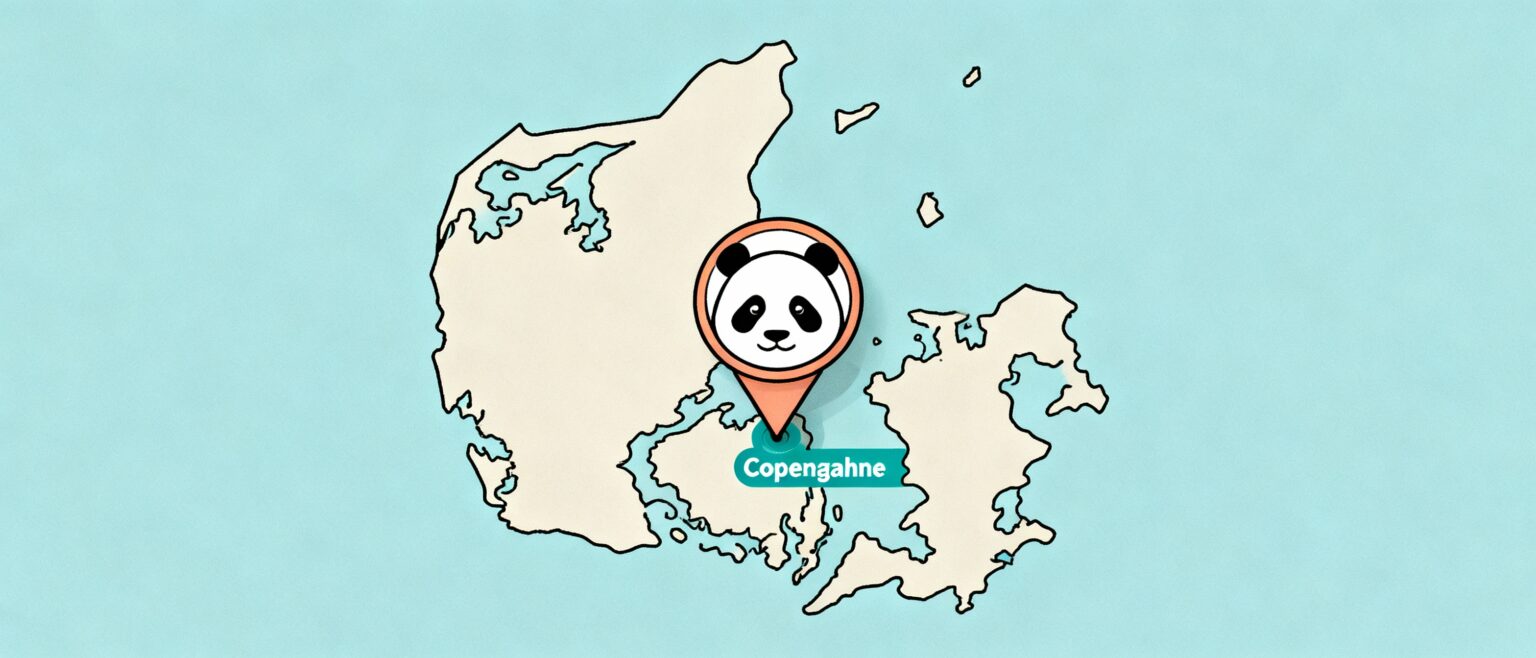
Founded in 1859 by ornithologist Niels Kjærbølling, Copenhagen Zoo, home to giant pandas, is one of Europe's oldest and most famous zoos, with nearly 4,000 animals from over 264 different species housed in a vast and well-organized area. In 2019, a major cooperation project with China was launched, bringing giant pandas Xing Er and Mao Er, a beloved pair and a symbol of conservation and cultural exchange between the two countries. The zoo is nestled in a lush green setting, combining nature and technology, with numerous initiatives aimed at environmental protection and education.
Denmark, Copenhagen Zoo: Opening Hours
The zoo is open year-round, with seasonal opening hours:
- Monday to Sunday: opening at 10:00
- Closing time between 4pm and 8pm depending on the month
We recommend checking the official website for exact opening hours based on your visit time.
For more information, visit the official website of the zoo.
The cost of the ticket
The price of the entrance ticket varies approximately around:
- Adults: 249 DKK (approximately 33-34 €)
- Children (3-11 years): 149 DKK
Tickets can be purchased online to skip the lines and include any combined offers with city sightseeing tours.
How to get to Copenhagen Zoo
Located in the Ørstedsparken area, the zoo is easily accessible by public transport:
- From Ørestad station: Bus fare approximately 20 DKK (approximately €3)
- Taxi: approximately 4 minutes journey
- Various bus lines also connect the zoo from the center and other areas of the city.
The giant pandas: Xing Er and Mao Er
The zoo's major recent attraction is its giant pandas. In 2019, a joint project with China was launched, resulting in the arrival of two giant pandas, Xing Er and Mao Er. These two animals live in a dedicated area called Panda House, designed by BIG, which respects their solitary behavior and offers a natural environment with large green spaces and bamboo forests. The area is divided into two yin and yang zones to provide independent living for both pandas, with raised walkways for visitor observation. To date, no giant panda cubs have been born at Copenhagen Zoo. Ma Xing Er and Mao Er are actively involved in the species' international conservation and research program, an ongoing cultural and scientific attraction at the park.