






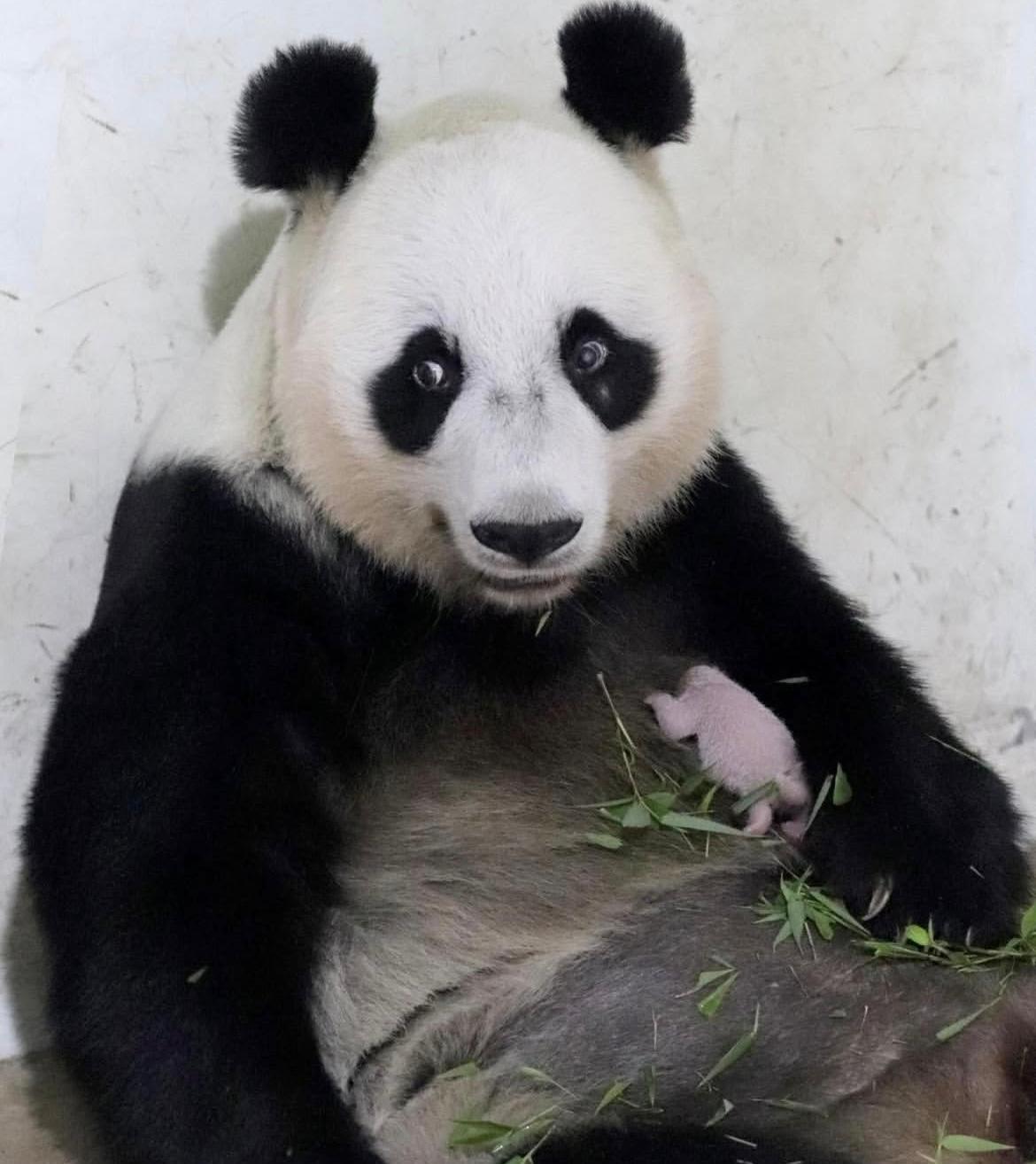
Born in Taman Safari The first giant panda cub in Indonesia. Here's why "Rio" is historic news.On November 27, 2025, Hu Chun, a female giant panda hosted at Taman Safari Indonesia in Cisarua, West Java, gave birth to Satrio Wiratama, known as “Rio,” the first panda born in the country and a new symbol of cooperation between Indonesia and China in the protection of endangered species.
First panda cub born in Indonesia at Taman Safari: Mom Hu Chun and who is Rio?
Hu Chun, a 15-year-old female who arrived from China in 2017 with male Cai Tao as part of a ten-year conservation cooperation agreement, gave birth to her first cub on November 27, 2025, at 5:31 PM local time. The newborn, who weighed just over 220 grams when assessed in the first few days of life, is being monitored around the clock by veterinarians and biologists who monitor its growth, thermoregulation, and ability to feed properly.
For Taman Safari Indonesia this birth represents the culmination of years of work on behaviors, hormonal cycles and environmental conditions necessary to obtain a natural reproduction of a species notoriously delicate in its activity. The cub is not yet visible to the public. The staff's priority is to ensure the well-being of the mother and cub in the first few weeks, a stage during which pandas are extremely vulnerable.
What does the name Satrio Wiratama “Rio” mean?”
Indonesian President Prabowo Subianto personally announced the cub's name: Satrio Wiratama, or "Rio" for short. The phrase, which in the local language evokes the idea of a valiant knight who fights with courage and revered integrity, was chosen to represent strength, hope, and moral commitment to protecting endangered animals.
The name also carries a political and symbolic message. For the Indonesian government, Rio becomes a living ambassador of its partnership with China, a country that considers the panda its national emblem and has used the lending of breeding pairs as a tool of "panda diplomacy" for decades. Associating the cub with values of nobility and courage therefore serves to strengthen Indonesia's image as a leading figure in international conservation.
Why Indonesia's First Panda Born Is Important for Conservation
Only about twenty countries in the world host giant pandas under intergovernmental research and conservation agreements, and Indonesia joined this select group in 2017 with the arrival of Hu Chun and Cai Tao. Rio's birth demonstrates that the facilities, veterinary expertise, and environmental protocols implemented by Taman Safari are capable of supporting a full reproductive cycle, a crucial step for the long-term sustainability of ex situ programs.
Every cub born during the breeding season represents a potential contribution to the genetic diversity of the species, which was declared "vulnerable" by the IUCN after years of being classified as "endangered." In the case of Rio, the value is amplified by the fact that the project directly involves local communities, academic institutions, and Chinese authorities, creating a research network that can translate into best practices for natural habitats in China.
Media Impact and Tourism: What Will Change at Taman Safari?
The first images released by the park show the baby, still naked and pink, cradled in its mother's arms, noisy and constantly moving, a sign of vitality according to veterinarians. Despite the decision to keep the area closed to visitors in the initial phase, the announcement has already generated significant international media interest, with dedicated features appearing on major news agencies and social media.
Once veterinarians deem it safe for public access, Rio will likely become Taman Safari's main attraction, boosting domestic tourism and raising awareness of biodiversity issues among the Indonesian public. The park has already announced that it will accompany the public opening with educational programs on the giant panda's habitat, diet, and conservation challenges, turning curiosity about the cub into an opportunity to raise awareness and funds for field projects.