






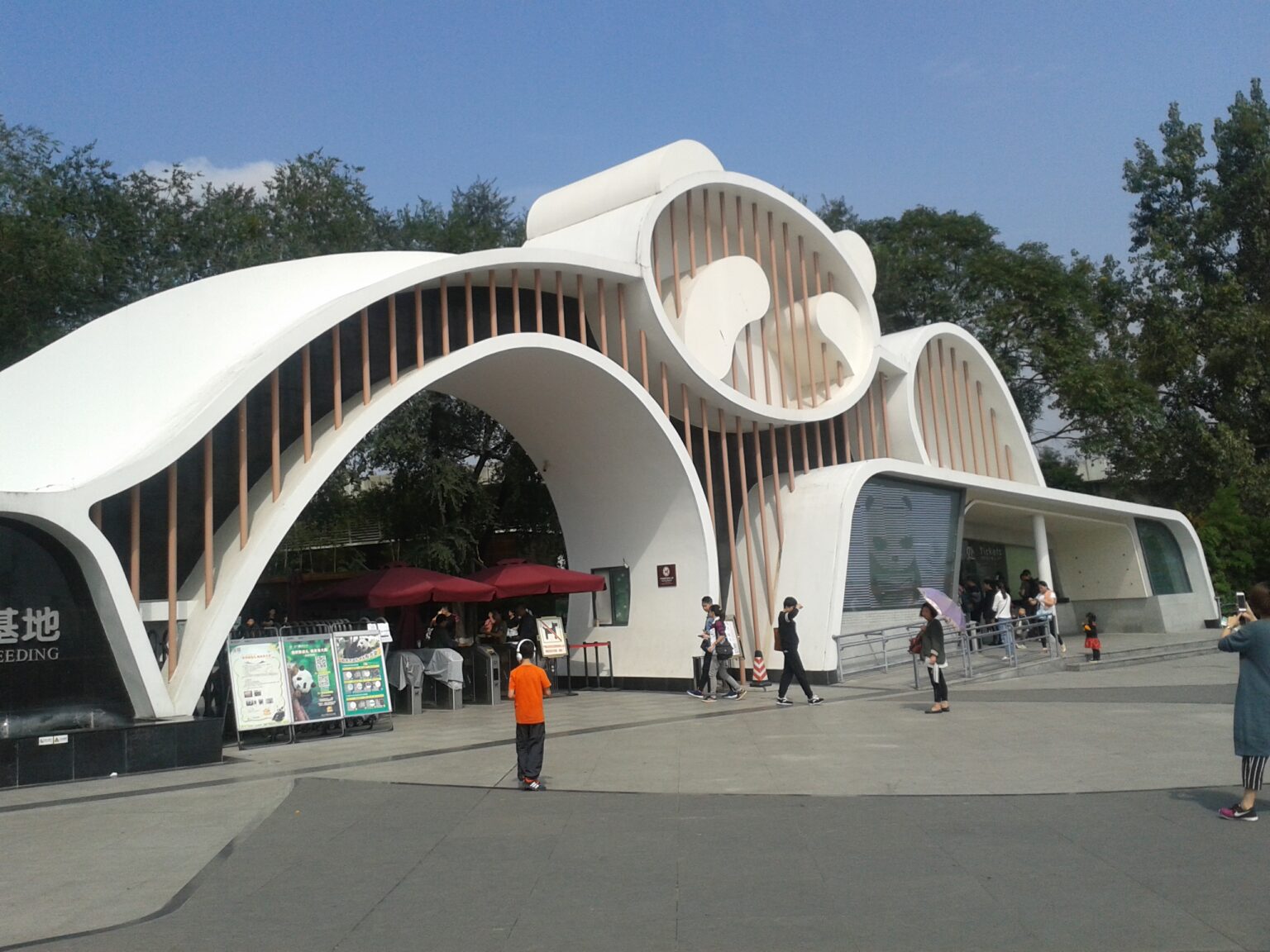
The history of the Chengdu Research Base of Giant Panda Breeding It is really interesting and extraordinary. The Center was founded in 1987 in the northern outskirts of Chengdu, Sichuan, China, at the initiative of the local government as a non-profit research institute dedicated to protection, reproduction and study of the giant panda and other endangered species. Here the aim was not just to create a tourist park. The declared objective from the beginning was to become a top-level facility for scientific research and not only. Also for theinternationally recognized educational conservation and scientific tourism.
Chengdu Research Base of Giant Panda Breeding, the history: the exponential growth of the Research Center
The Chengdu Research Base of Giant Panda Breeding and its history of breeding the first six giant pandas is beautiful. In fact, when it opened, the base had just 6 giant pandas, all rescued from the wild. Thanks to breeding programs, ongoing research, artificial insemination techniques, and advanced veterinary expertise, the center has experienced significant growth:
- In 2008 the population rose to over 80 panda.
- In 2020, it was estimated about 215 pandas.
- At the end By 2024, the base was home to approximately 244 giant pandas., making it the largest captive-bred panda community in the world.
These numbers place it among the most influential structures for the conservation of this vulnerable species and make it a major global resource for the genetic security of giant pandas.
Guardians, history, research and scientific innovations at the Chengdu Research Base of Giant Panda Breeding
Behind every puppy born at the base there is usually a team of specialized caretakers, veterinarians and researchers They work 24/7 to study nutritional, health, and animal behavior. They also study assisted reproduction methods. The base has developed specific techniques such as the twin swap, which increases twin survival by alternating maternal care, and insemination programs that have significantly improved birth rates. Additionally, the site offers facilities such as panda hospital, maternity centers, and advanced research laboratories that monitor health and develop protocols for rewilding — the return of some pandas to the wild.
Global collaborations and reintroduction into the wild
The base does not work in isolation. On the contrary, it collaborates with institutions and zoos in over 15 countries. Including the USA, France, Spain, Japan, and Germany, for scientific expertise exchanges and panda loans for studies and educational tourism. Another important milestone is the reintroduction program In the wild. Several pandas have been successfully bred. In fact, they have been released into protected mountain habitats in Sichuan, and some, like Tao Tao, have been shown to survive independently for years.
Incredible stories
The base is also a stage for pandas to become symbols of conservation:
- Some specimens have worked as “ ambassadors of peace ” in foreign zoos.
- Tao Tao It is one of the known cases of a panda successfully reintroduced into the wild.
- Numerous cubs born at the base each year have made global media headlines for their cuteness and the techniques used in their care.
Who is Tao Tao, the panda reintroduced into the wild? The story
Tao Tao panda is the most iconic panda, a symbol of innovation in giant panda conservation and First successful reintroduction of a captive-bred panda into the wild.
Tao Tao: the panda that made history
- The famous panda was born The August 3, 2010 at the Wolong Nature Training Center run by the China Conservation and Research Center for the Giant Panda (CCRCGP), after the great earthquake of 2008.
- The origins: son of Cao Cao, female panda selected to test advanced techniques wildlife training.
- Objective: Tao Tao was trained in environments progressively more natural and difficult, with the aim of preparing him for a return to life in freedom — a pioneering global project.
Return to nature: a historic milestone
The October 11, 2012, at two years of age, Tao Tao was reintroduced into the wild at Liziping Nature Reserve in Sichuan (Xiaxiangling Mountains). This event is considered one of the first successful cases of reintroduction into the wild of a captive-bred panda. After a long and careful training program.
Why Tao Tao is so important
- Proof of concept: first successful reintroduction of a captive-bred panda with the ability to adapt to a wild environment.
- Conservation model: has demonstrated that training with the mother in semi-wild can develop real survival skillsi. A fundamental step for programs to restock giant pandas in natural habitats.
- Scientific monitoring: Tao Tao is followed with a GPS collar to study its movements and understand how it interacts with wild ecosystems — valuable data for future reintroductions.
You may also be interested in:
Base di ricerca di Chengdu, stop alle prenotazioni: ecco perché
What happened to Tao Tao?
According to official sources, Tao Tao still lives in Liziping Nature Reserve, thriving in the forest alongside other reintroduced pandas, and continues to provide valuable data to researchers on the natural behavior of the giant panda. In terms of conservation, Tao Tao is more than just a single panda. He is a symbol of how science, patience and natural training can transform breeding efforts into real repopulation of endangered species.
Pandas, "ambassadors of peace"“
This pair of pandas are among the most famous peace ambassadors sent by China abroad. They were sent to ZooParc de Beauval in France in 2012 as part of a cooperation and conservation agreement, becoming icons of friendship between Beijing and Paris. During their 13-year stay, they helped strengthen cultural and diplomatic ties between the two countries.
Yuan Meng — the first panda born in France
Yuan Meng is the son of Huan Huan and Yuan Zi and has become a true ambassador of peace and symbol of panda diplomacy. Born in 2017 at Beauval Zoo, it was the first panda ever born in France, attracting visitors and strengthening the image of international cooperation for panda conservation. After several years in France, he returned to Chengdu Research Base where he currently lives and is much loved by international audiences.
Fu Bao — China–South Korea harmony influencer
Fu Bao is a panda born in South Korea to parents sent from China as part of a mutual conservation project. Although she was not born at the Chengdu Zoo, she is considered a "friendship ambassador" thanks to her enormous online popularity and media attention—with hundreds of millions of views linked to her presence at the Korean Zoo—which has strengthened the collaborative ties between China and South Korea in the field of panda conservation.
You may also be interested in:
Sichuan, Dujiangyan Panda Base: history, pandas and the secrets of the Center
Giant Panda Nursery: Why it is essential and what it is for
Panda Hotel in Chengdu: furnishings, prices, and location
Why keepers feed adult pandas milk
Other “diplomatic” pandas linked to the Chengdu Base
The examples above are among the best known, but the tradition of the panda diplomacy it is very broad:
- The program with over 50 pandas sent to zoos around the world, including the United States, Germany, Japan and other countries, is part of a global scientific and cultural cooperation strategy.
- Pandas like Meng Yuan e Meng Xiang, born in European zoos such as Berlin and returned to China, embody the spirit of international friendship linked to conservation.
The “peace ambassador” pandas are those specimens bred or sent by the Chengdu Research Base and from panda diplomacy programs that have contributed not only to the conservation of the species, but also to strengthen cultural and diplomatic relations between China and other countries.
The center today: tourism, education, and sustainability
Beyond research, the base is one of the most visited attractions in China, with millions of tourists each year wanting to get up close to this iconic animal and learn about the importance of biodiversity. The site's ecosystem includes vast areas of natural vegetation and advanced educational programs, making it a center of edutainment world-class — a model that can be replicated in other conservation initiatives on a global scale.
Uan institution that changed the fate of pandas
In a few decades, the Chengdu Research Base of Giant Panda Breeding he transformed A small group of pandas saved from extinction in one of the largest and most studied captive populations on the planet. His story is a combination of scientific determination, international collaboration, and a deep love for a species that has become a symbol of conservation.
To visit the Research Center: all the information
To visit the Chengdu Research Center, from November to February, morning admission is from 8:00 am to 12:00 pm. Afternoon admission is from 12:00 pm to 4:30 pm (closing at 5:30 pm). From March to October, morning admission is from 7:30 am to 12:00 pm, and afternoon admission is from 12:00 pm to 5:00 pm (closing at 6:00 pm). To book your ticket and learn about all the transportation, dining, shopping, and performance services, visit the Center's official website.