






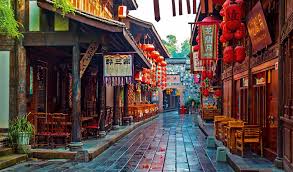
Chengdu One of the most popular cities in Sichuan, this metropolis of 21 million people in the heart of Sichuan combines the relaxed pace of a "City of Laziness" with an explosion of unique experiences. It's the perfect gateway to the UNESCO-listed province of panda biodiversity, with over 200 attractions that blend breathtaking nature, millennia-old Taoist temples, and spicy cuisine celebrated by UNESCO. Thanks to high-speed trains, direct flights, and a 144-hour visa-free policy for Italians, 2026 is the perfect year to visit.
Chengdu Tourism: 12 Must-See Attractions, From Pandas to Temples and Hotpots
Chengdu Research Base – the beating heart of the journey
Imagine being among the first visitors at 7:30 in the morning, when the cubs at the "Panda Kindergarten" begin to roll playfully among the fresh bamboo. This is not just an attraction: it's the Chengdu Organic Heart, where over 260 giant pandas live in semi-natural habitats designed to study their wild behavior. The cascading enclosures allow for stress-free natural observations of the animals, with viewing platforms offering magical encounters. A basic ticket costs around 58 RMB (8 euros), while guided tours with biologists run up to 688 RMB (90 euros). The real secret? Come between April and May during the bamboo bloom, avoiding crowded weekends to enjoy absolute peace.

You may also be interested in:
Palermo-Chengdu twinning: the history
Panda Hotel in Chengdu: prices, location, and furnishings
Great Buddha of Leshan
Only 120 km from Chengdu, reachable in one hour by high-speed bus, stands the Great Buddha of Leshan, a 71-meter-tall monolithic Buddhist statue carved into the rock in the 8th century. Its serene expression gazes at the confluence of three rivers, a symbol of cosmic harmony. You can climb the 300 panoramic steps for an impressive view or relax on a riverboat (100 RMB, about 13 euros) admiring it from the water. The ideal option is to combine it with a visit to the Panda Base on an organized tour starting at 900 RMB (120 euros): a perfect day combining nature and spirituality.
Jinli Street – Red Lantern Magic and Sichuan Opera
When the sun goes down, Jinli Street It transforms into a dream of red lanterns illuminating the historic pedestrian street. Here, centuries-old teahouses smell of jasmine tea, while stalls offer spicy skewers and black sesame ice cream. Don't miss the performances of the’Sichuan Opera, famous for changing faces in just 0.3 seconds—a mesmerizing art form that's jaw-dropping. Admission is free, and an authentic hotpot dinner costs between 100-150 RMB (13-20 euros), making it the city's most evocative evening experience.
Kuanzhai Alleys – A Journey to the Ancient Three Kingdoms
Walking among the Kuanzhai Alleys, You'll immerse yourself in the atmosphere of the Three Kingdoms as you stroll along three restored lanes: "kuan," the wide and welcoming one; "zhai," the narrow and intimate one; and "xiangzi," the lively and colorful one. Artisans work bamboo by hand, while elders play mahjong outdoors and dance lightly. It's the perfect afternoon for a jasmine tea (20 RMB, about 3 euros), sitting and observing authentic Chengdu daily life, far from mass tourism.
Mount Qingcheng
Hidden among bamboo forests and ancient fir trees, the Mount Qingcheng It is the birthplace of Taoism, with temples dating back to the 2nd century BC. Choose an easy 2-4 hour trek on the front trail or the cable car (90 RMB, about 12 euros) for breathtaking views. A few steps away, Dujiangyan It amazes with its 2000-year-old hydraulic system, still functioning today: a masterpiece of engineering that has controlled floods for millennia.
People's Park
To the People's Park, The city's social heart beats loudly: retirees dance the tango gracefully, women chat around mahjong tables, and teahouses buzz with laughter. Admission is free; an Oreo-style tea with lotus seeds costs 15 RMB (2 euros). Arrive early to capture authentic photos, free of tourist crowds, and experience the true laid-back pace of the "City of Laziness.".
Wuhouci Temple
In the Wuhouci Temple, Dedicated to the strategic genius Zhuge Liang, the Zen gardens and tomb steles tell the epic story of the Three Kingdoms. Museums of ancient weapons and historical bas-reliefs immerse you in Shu culture. At 60 RMB (about 8 euros), it's essential for understanding the legends that shaped imperial China.
Jinsha Museum
To the Jinsha Museum, Relics from a pre-imperial civilization dating back to 3000 BC are mesmerizing: golden masks with wide-eyed eyes, interactive installations, and a hypnotic soundtrack. Open until 9:00 PM for 70 RMB (9 euros), it's a journey into archaeological mystery that defies all expectations.
Du Fu's Little House
There Du Fu's Little House, The former home of Tang Dynasty's most beloved poet, this oasis of bamboo gardens, literary pavilions, and carp ponds offers a peaceful retreat from the hustle and bustle of the city, ideal for contemplating simple beauty.
Chunxi Rd
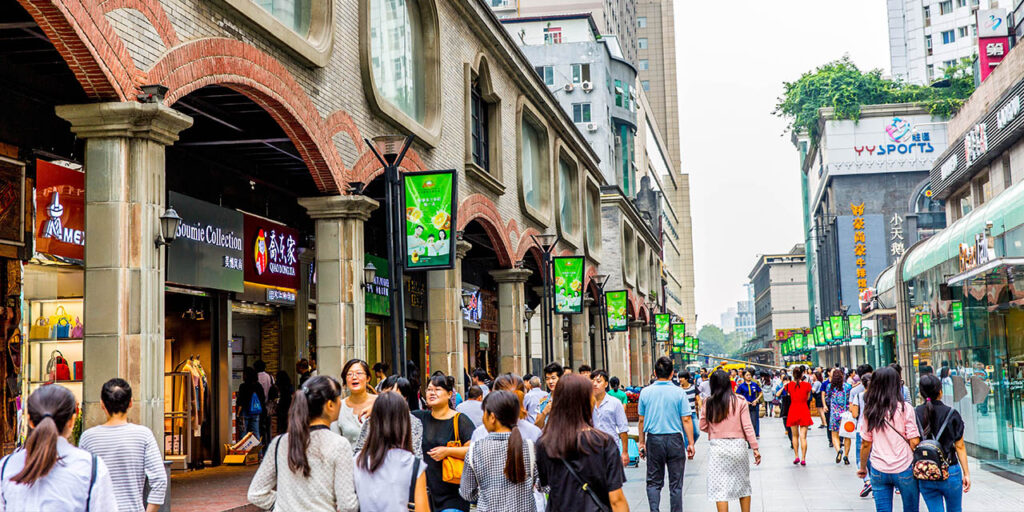
Chunxi Rd It's the pedestrian street of luxury: H&M, Uniqlo, rooftop bars with a glittering skyline. Finish with a "dragon fire" hotpot—choose the mild version if you're a beginner. Free and with a direct subway ride, it's futuristic Chengdu.
Lake Tanzi
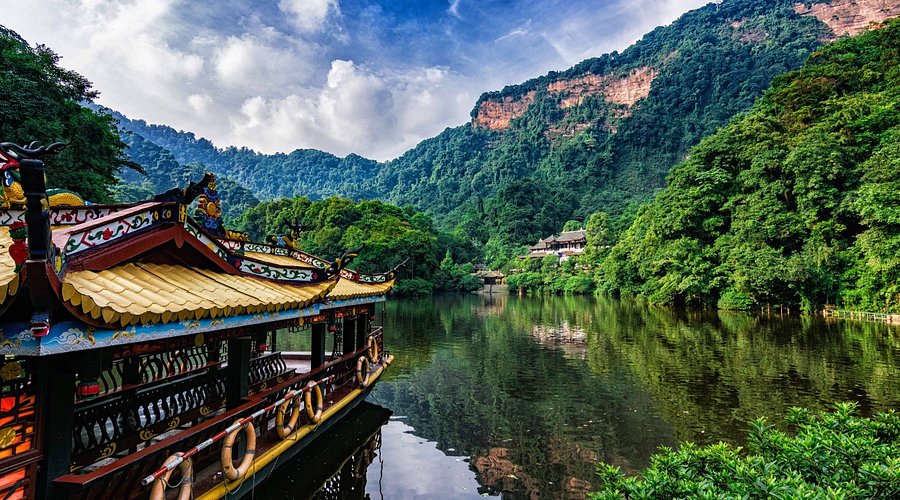
The Lake Tanzi, with pagodas and tea kiosks, invites you to rent rowboats (50 RMB/hour) for pink sunsets reflected on the water. Perfect for couples seeking intimate moments.
Sichuan Hotpot Center
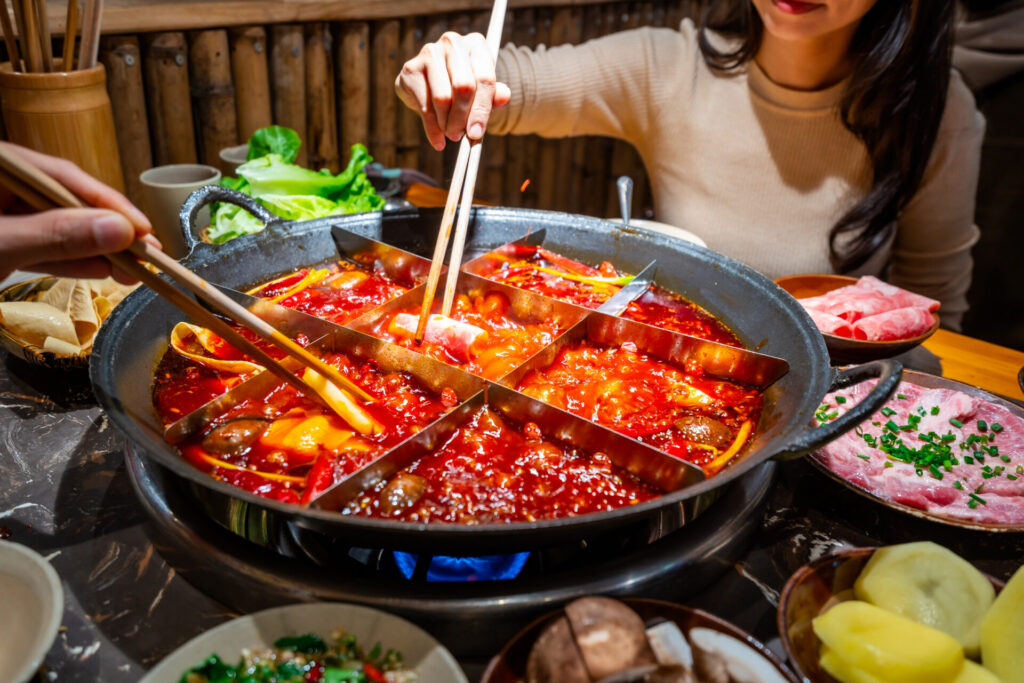
In the Sichuan Hotpot Centers, temples of mapo tofu, dan dan noodles, and fire beef, try the less spicy “dry pot.” Average 200 RMB per person (27 euros): an explosion of UNESCO-listed flavors.
Chengdu Tourism and Attractions: The Itinerary
The following Chengdu sightseeing itinerary, including its attractions, is a suggested way to enjoy a four-day trip. For the first day, the ideal would be to visit the Panda Base from 7:30 a.m. to 12 p.m., followed by Kuanzhai Alleys and Jinli with Night Opera. The following day, you could opt for a full-day tour of Leshan Buddha and a cruise. For the third day, Qingcheng with a cable car and Dujiangyan trekking. And, on the final day, Jinsha, Du Fu Cottage, Chunxi Road, and hotpots. A realistic budget is around 2,500 RMB (about 330 euros), excluding flights and accommodation. The ideal time would be March-May for the cherry blossoms or September-October for the Lantern Festival. This plan maximizes every moment, balancing nature, culture, and unforgettable flavors.
Why is Chengdu a must-visit city in 2026?
Chengdu's tourism and attractions are unmissable. Panda tickets not only entertain visitors, but also fund concrete projects such as the rewilding (reintroduction into nature). Genetic research to diversify the gene pool and the creation of habitat corridors connecting the isolated mountain populations of Sichuan. This approach represents a sustainable ecotourism True. Pandas live in spacious, stress-free enclosures, with carefully planned walking paths to minimize human impact and maximize natural observations.
Culturally, Chengdu is a ticking time bomb. Explore the mysterious Shu civilization with his Sanxingdui masks wide-eyed (alien-like, dated 3000 BC), discover the origins of the Taoism on Mount Qingcheng and immerse yourself in the epic of the Three Kingdoms At Wuhou Temple, where Zhuge Liang is still revered as a strategic genius. It's a crossroads of 4,000 years of history that breathes at every turn.
Gastronomy
Gastronomy is UNESCO for a reason. Beyond 2000 spicy dishes celebrating the “Sichuan fire”. Not just hotpot, but crispy rabbit heads, spicy crab boiled alive, mapo tofu which anesthetizes the mouth and dan dan noodles mind-blowing. A cuisine that has united families for generations, where spiciness isn't a taste but a philosophy of life. In 2026, logistics is stellar: New high-speed trains connect Chengdu to Jiuzhaigou – turquoise lakes between snowfalls – in just 5 hours. The visa-free 144 hours For Italians, it eliminates all bureaucratic barriers, making travel smoother than ever before.
Chengdu is not “just the city of pandas”. But it is the most authentic and vibrant China, where millenary tradition and modernity They coexist in perfect harmony. Taoist temples sit next to neon skyscrapers, red lanterns illuminate alleys where old men play mahjong while young people sip bubble tea. It's a place where time slows down to let you breathe in the profound essence of Chinese culture beneath a sky of ever-lit lanterns.