






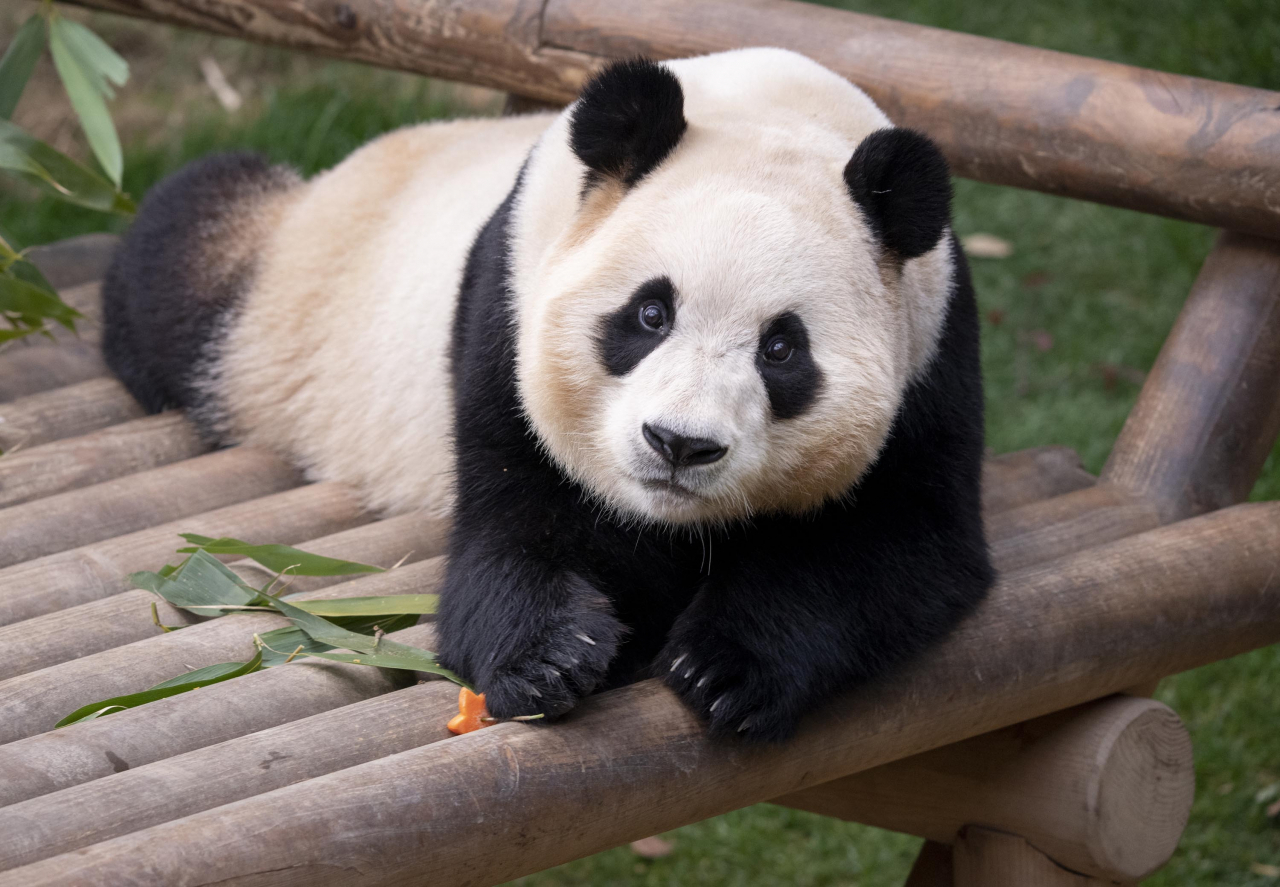
South Korean President Lee Jae-myung surprised everyone on January 7, 2026, the last day of his state visit to China, by announcing his request for an "additional panda loan" during a summit press conference with Xi Jinping. In exchange for the return of Qing lion statues, Lee requested the return of the famous panda. Fu Bao, repatriated two years earlier, reviving the debate on “panda diplomacy”.
China-Korea, President Lee intervenes in the "Panda Diplomacy" debate: context of the surprise request
The debate between China and Korea is ongoing. Lee spoke about Panda Diplomacy and proposed Uchi Park Zoo in Gwangju as a home for a pair of giant pandas, citing the move as a way to strengthen bilateral ties. The Korean Ministries of Environment and Foreign Affairs have initiated operational negotiations after a positive response from Beijing, but nothing has been decided yet. Speculation points to Fu Bao, born in 2020, as the likely candidate. Ai Bao e Le Bao (loaned in 2016), as a possible protagonist of the comeback. Fans, organized in campaigns such as "Bulssi" and Fu Bao Protection Alliance, eagerly await positive feedback. Demonstrations ad hoc are scheduled for January 16 near the Chinese embassy.
History of “Panda Diplomacy”
This practice has its roots in antiquity. Cleopatra sent a giraffe to Julius Caesar, while Empress Wu Zetian gifted a panda to the Japanese. China perfected it as a soft power practice starting in 1949, with annual loans of millions to conservation funds. In Korea, examples include Lili and Ming Ming (1994), crested ibises (2008), and the last pandas at Everland. Other nations are following suit: Australia with koalas, Korea with Pungsan dogs traded with the North.
Ethical criticism from animal rights activists
The tradition of using rare animals as diplomatic symbols has ancient roots in history. It is said, for example, that Cleopatra offered a giraffe to Julius Caesar to seal alliances, and that Empress Wu Zetian of the Tang Dynasty donated giant pandas to the Japanese imperial court. It was China, starting in 1949, that elevated this strategy to a true weapon of soft influence, granting loans of pandas at multimillion-dollar annual costs to support species conservation programs.
South Korea boasts a number of similar incidents. Consider the pandas Lili and Ming Ming welcomed in 1994, the red-crested ibises welcomed in 2008, or the recent pair hosted at Everland amusement park. Other countries also employ similar tactics, such as Australia's loan of koalas, or Korea itself, which traded Pungsan dogs with the North during inter-Korean talks.
Negotiations between South Korea and China continue unabated, with high expectations for a veritable tourism boom in the city of Gwangju, which could become a new must-see destination for animal lovers. However, experts continue to insist on the urgency of establishing clear ethical guidelines to prevent abuse. For Italian panda fans, this episode represents a fascinating bridge between global conservation efforts and the dynamics of international geopolitics, where Fu Bao emerges as a true viral star capable of capturing everyone's hearts.
China, the hub of the giant panda
In any case, China has always had the well-being and serenity of the giant panda at heart. It is no coincidence that it is the nerve center of the protected species, home to the leading conservation and protection centers, dedicated seven days a week to ongoing studies and research to ensure the giant panda lives free from the risk of extinction and vulnerability. "Panda Diplomacy" establishes and symbolizes friendly relations between states, and each will be responsible for adhering to the giant panda's conservation and reproduction project.