






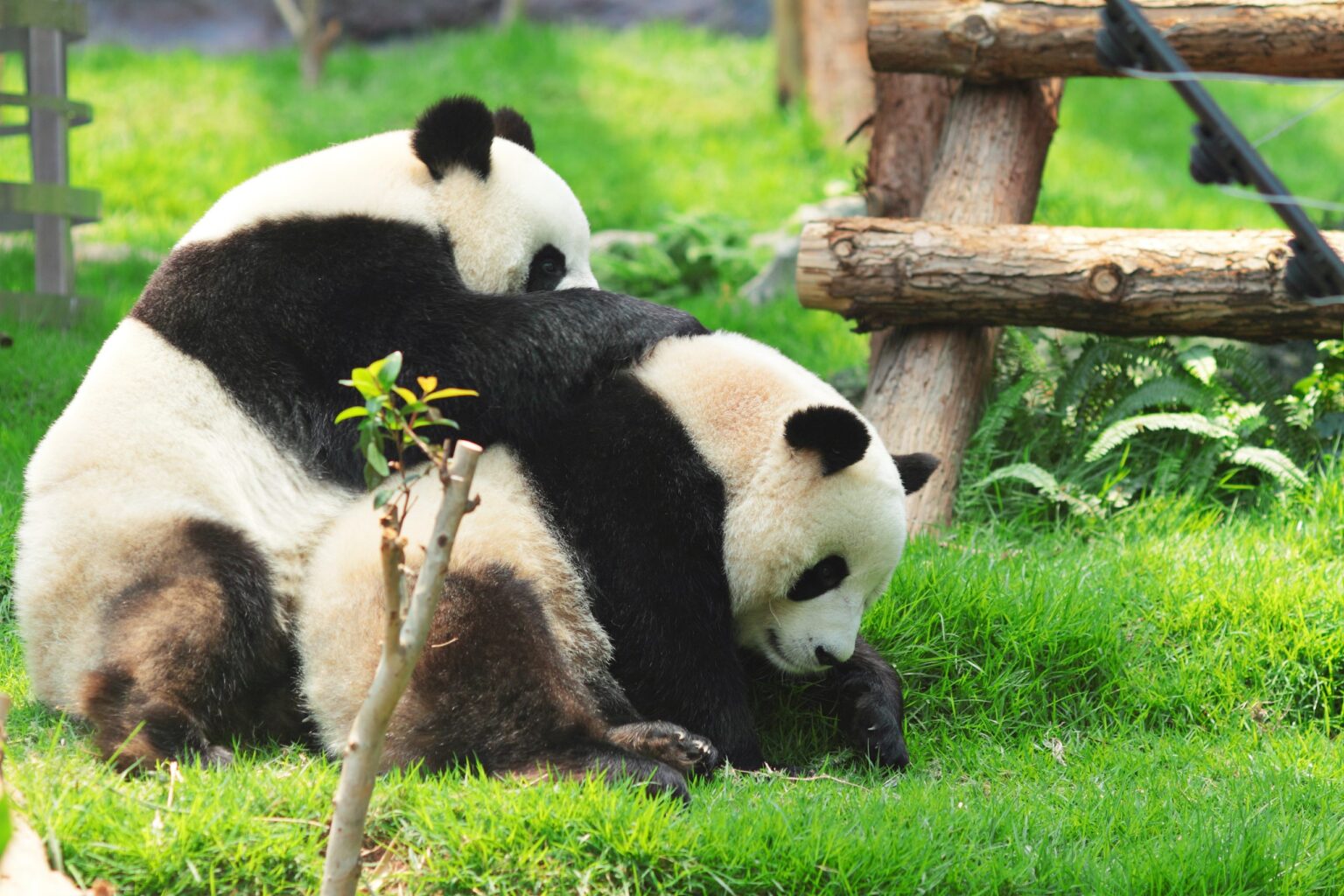
The practical guide to seeing giant pandas in ChinaDepending on the season, you can observe this protected species. Discover why spring and autumn offer the most magical moments in Chinese reserves, with ideal climates and super active animals. Spring (March-May) and autumn (September-November) are the prime seasons for seeing giant pandas. Mild temperatures between 10-25°C (50-77°F) make them energetic, playful, and visible, far from the summer heat or holiday crowds.
When to See Giant Pandas: Why Spring (March-May) Is Perfect
Spring transforms the Chengdu and Wolong reserves into an explosion of lush life. Mild temperatures, between 15 and 25°C, awaken giant pandas from their semi-winter slumber, prompting them to gorge on food—up to 40 kg of bamboo a day—and play for hours with infectious energy. Fresh bamboo blossoms, their favorite food, bloom abundantly, providing the extra energy needed for lively movements and natural acrobatics.
In March, the first warm temperatures (between 10 and 18°C) see them emerge from their dens. They climb low trees, roll in the new grass, and begin to make friends. April sees peak activity, with cubs weaned during the winter playing with their families, creating unforgettable scenes. Finally, May—the pre-summer period—brings lush green foliage, perfect for breathtaking nature photographs. The advantage? Fewer tourists, with quiet trails that allow for private viewing.
| Spring months | Average temperature | Panda Activities | Pro visitors |
|---|---|---|---|
| March | 10-18°C | Awakening/Exploration | Little crowd |
| April | 15-22°C | Maximum play/puppies | Flowering bamboo |
| May | 18-25°C | Climbing/Energetic | Lush green |
Autumn (September-November): puppy season
Autumn reigns supreme in giant panda reserves, transforming them into a perfect natural theater for observing entire families. The cubs born in August, weighing 2-5 kg of tenderness, emerge from their enclosures at around 3-4 months. They are seen rolling playfully beside their protective mothers, beneath a carpet of golden leaves that frames the scene. Ideal temperatures, between 12 and 20°C—cool but not freezing—stimulate double peaks of daily activity, especially at dawn and dusk, when the pandas are at their most active. In September, newborns are everywhere, cared for by nursing mothers in a blaze of tenderness. October brings spectacular acrobatics from the cubs; in November, the pre-winter period, they are displayed in groups, blissfully feeding to prepare for the cold, beautifully visible and relaxed. The dry climate also reduces the morning fog, providing clear and memorable photos.
| Autumn months | Average temperature | special attractions | Anti-crowd tips |
|---|---|---|---|
| September | 15-22°C | 3 month old puppies | Weekdays only |
| October | 12-18°C | Family acrobatics | Post Golden Week |
| November | 8-15°C | Eating groups | Lightweight jackets |
Why avoid summer and winter?
Summer, from June to August, is the least favorable season for spotting giant pandas. With temperatures exceeding 30°C (86°F), the animals enter a sort of thermal hibernation, taking refuge in the shade to sleep for up to 18 hours a day, remaining hidden from visitors. Added to this is the risk of torrential rains, which make the trails slippery and impassable. Winter, from December to February, is tolerable in Sichuan thanks to moderate temperatures between 0 and 10°C (32 and 50°F), but offers a less vibrant spectacle. The sparse vegetation limits movement, and the pandas appear sluggish and often hide to digest their food in peace. Chinese holidays, concentrated in May and the first seven days of October, transform the reserves into total chaos, with visitor numbers increasing by 200% and endless lines lasting up to two hours. In stark contrast, spring and autumn provide a 70% probability of high-quality sightings, versus a paltry 30% in summer.
2026 Strategies to See the Species Protected
To best plan your giant panda adventure, aim for April or October, choosing weekdays to avoid the crowds. Fly into Chengdu and book entry to the panda base as early as 7:30 a.m., when the air is cool and the animals start their day. Keep an eye on the bamboo flowering cycles—which follow natural 40- to 100-year rhythms in forests, but with local annual phases that increase their abundance—as they directly influence the pandas' vitality.
Keepers recommend autumn for the cubs, who are super active between 10-11 a.m. and 4-5 p.m., when they roll around and play nonstop. A three-day tour costs between €200 and €400, with discounts of €20% in the low season making everything more affordable. This seasonal choice is no accident. It guarantees epic and unforgettable sightings, reduces stress for the animals, contributes to their conservation, and gives you photos worthy of National Geographic. Your ideal moment with the pandas? Now you know it: take action and experience the emotion.