






The nearly forgotten story of giant panda Ming is brought back to life by award-winning illustrator Yu Rong, who spoke to CGTN from her home in Cambridge about the project's origins. The book containing the incredible tale, already eagerly awaited in China, will hit British shelves in October.
The Return of Giant Panda Ming and His Tale: The Book That Recalls His Story
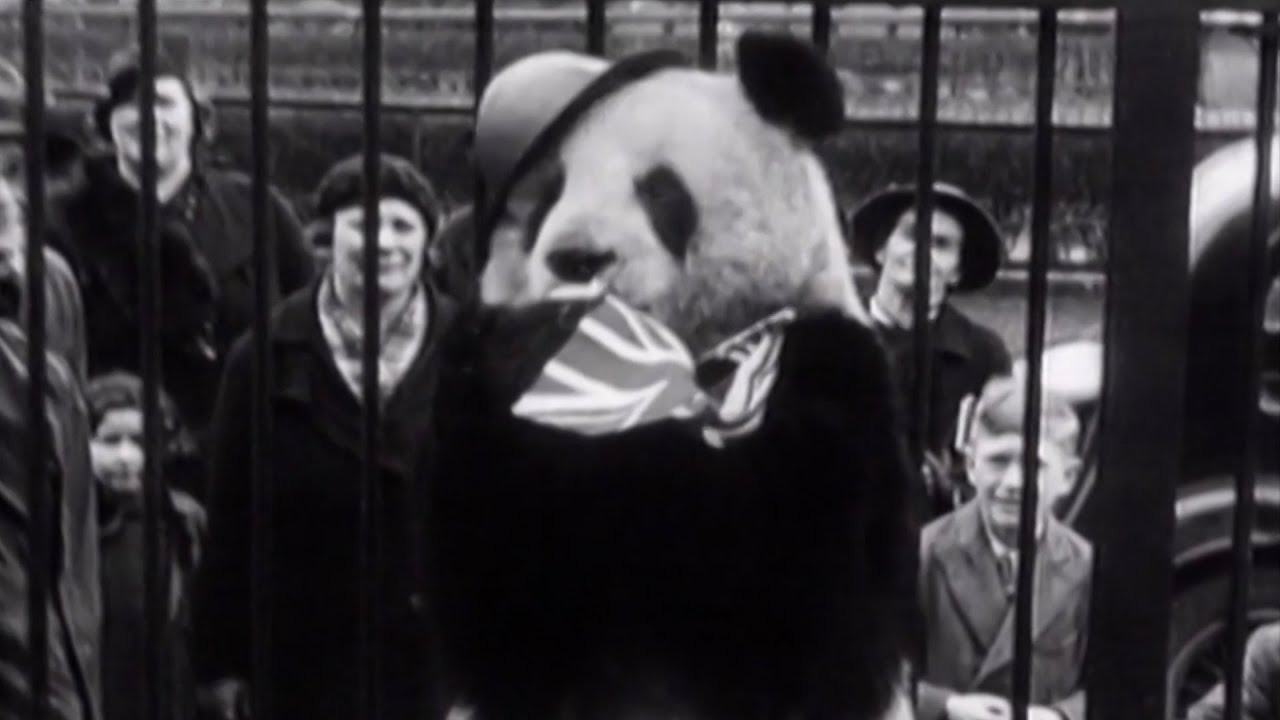
The book's story about giant panda Ming unfolds like a bedtime story. A Chinese immigrant mother tells her curious daughter whether giant pandas were once common in her hometown. From here, the story unfolds of an extraordinary journey that began in 1938, when China was resisting Japanese invasion. Six pandas were captured by American adventurer Floyd Tangier-Smith, known for his rare animal trade. Only five survived the Christmas crossing to the United Kingdom, and among them was Ming. Fate would have it that, fleeing a country in flames, the animal would soon end up in another trench. London in 1940, under skies torn apart by Nazi raids. Yet, despite the sirens and the rubble, Londoners flocked to the zoo to admire Ming, whom the press of the time called a "symbol of peace and life.".
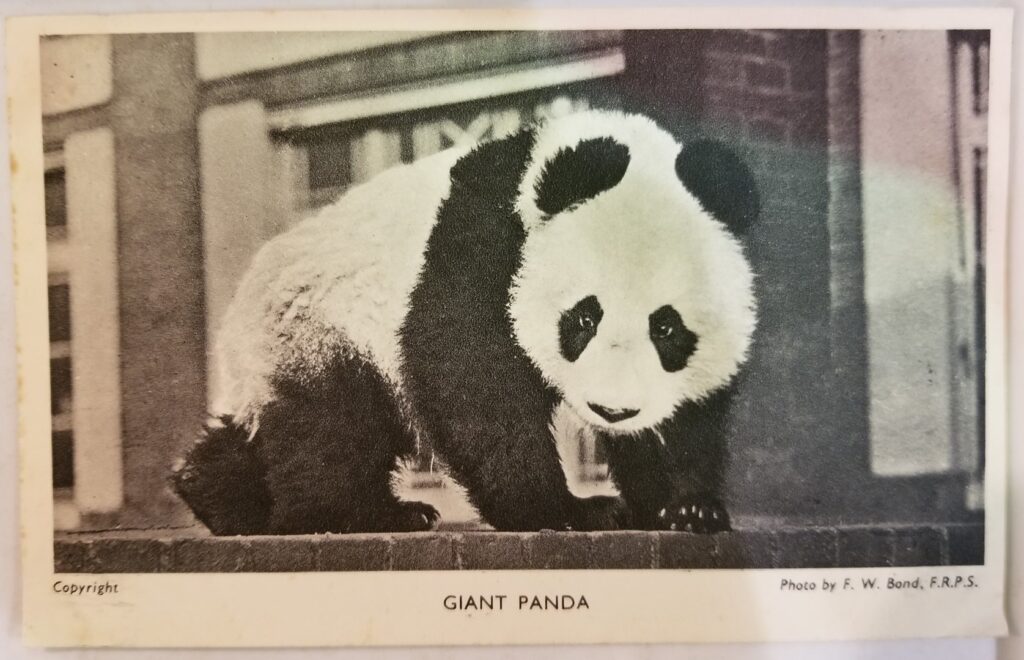
Yu Rong does not hide the cruelty of a capture that deprived a living being of its freedom. But she sees a powerful lesson in the story: the ability to resist, to adapt, and to instill hope in future generations. Ming's story was not only emotionally charged. His capture prompted China to ban the hunting and export of pandas, paving the way for systematic protection after the founding of the People's Republic in 1949. From an estimated 1,100 in the 1980s, the wild panda population has now surpassed 1,800. This is largely thanks to international research and breeding programs. Today, 52 pandas live in zoos around the world, ambassadors of cultural dialogue and environmental conservation. Ming, who died in 1944 at London Zoo, continues to embody that symbolic bridge between East and West. His story, revisited in Yu Rong's book, is not only a reminder of resilience. Indeed, it is a universal warning not to fall back into the horror of war, so that future generations will never know similar suffering again.