






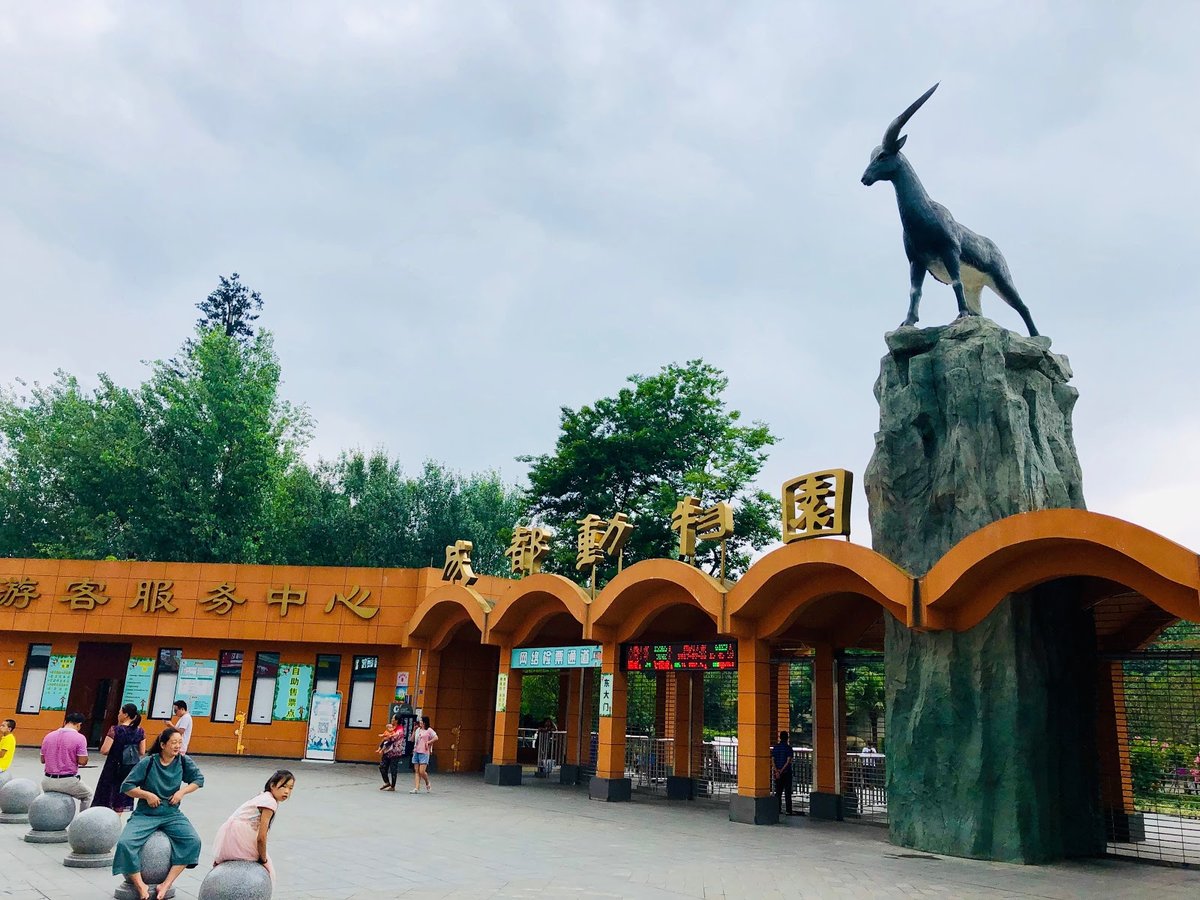
Chengdu An urban gem in the Sichuan capital, the Chengdu Zoo boasts a truly fascinating history. It regularly hosts 8-12 giant pandas on loan from the nearby Chengdu Research Base of Giant Panda Breeding, offering an accessible and vibrant environment for observing these iconic animals of China. Covering 20 hectares in the heart of the city, it boasts over 300 species, including white tigers, koalas, and Humboldt penguins. Its Panda Pavilion attracts 2-3 million visitors annually, making it a cornerstone of giant panda education and conservation in an urban setting.
Origins and History of Chengdu Zoo
Chengdu Zoo's roots date back to 1929, when it was established as the first modern zoo in Sichuan Province during the Republic of China era. Initially, it was a small park for exotic and local animals donated by private collectors. In the 1950s, with the advent of New China, it transformed into a wildlife research center, expanding its enclosures and introducing rare species. Giant pandas arrived in the 1960s: the first, "Lan Lan," became an icon of panda diplomacy, loaned to foreign zoos and celebrated for its longevity (over 25 years). In the 1970s and 1980s, the zoo pioneered captive breeding programs, recording the first successful births when the national rate was below 30%.
The 2008 Sichuan earthquake severely tested the facilities, but immediate reconstruction—funded in part by global donations—led to a landmark renovation in 2010: new interactive exhibits, AI health monitoring, and strengthened collaborations with the Chengdu Panda Base (just 10 kilometers away). Today, Chengdu Zoo has bred over 50 panda cubs in six decades, integrating modern genetics and behavioral studies to support the global population (808 in captivity, 1,864 in the wild by 2026). It is also a hub for "panda diplomacy," with loans to zoos in Europe and the US, and educational programs for 100,000 students annually.
Where it is and how to get there
Chengdu Zoo is located at No. 5 Xiyuemiao Street, Qingyang District (coordinates 29.68°N 104.04°E). Chengdu Zoo is an urban oasis just a 20-minute walk from the Luomashi subway (Lines 1 and 2), ideal for tourists arriving from Shuangliu Airport (40 minutes, 50 CNY taxi) or the Panda Base (15-minute shuttle). Admission is 5-10 CNY (free for children under 1.2m), and opening hours are 8:30 am-5:30 pm (closed Mondays; summer until 6:30 pm). Parking for 500 cars, free Wi-Fi, and an official digital map app are available. Ideal weather: spring/autumn to avoid the heat; 3-4 hours recommended.
Giant pandas
The beating heart of the park is the Panda Pavilion, renovated in 2022, which houses 8-12 adult and subadult giant pandas (e.g., "Chengdu," "Momo"), plus red pandas in themed enclosures with fresh bamboo, artificial ponds, and climbing platforms. Daily feeding shows at 10:00 a.m. and 4:00 p.m. show the pandas devouring 30-40 kg of bamboo. Other attractions include Siberian white tigers (a unique breed), Australian koalas, Humboldt penguins in interactive tanks, a reptile house with venomous snakes, and an educational Insect House. The family zone includes the Children's Zoo with alpacas and ponies, a panoramic monorail (10 CNY), Ocean World, and picnic areas. The facility also has a shop selling panda plush toys and spicy Sichuan specialties.
Role in conservation and personalized experiences
Chengdu Zoo excels in research. It monitors panda fertility (survival rate >95%), genomic genetics, and climate impacts, sharing data with CCRCGP for the Giant Panda National Park (27,134 km²). Furthermore, it also runs educational initiatives, such as workshops and VR exhibits on habitat loss, and raises awareness of deforestation and poaching. But that's not all. Volunteer programs (from CNY 200/hour) allow supervised feedings (ages 12+), while summer starry nights and private tours (CNY 50-100) maximize tourist loyalty. In 2026, Chengdu Zoo continues to evolve, integrating sustainability (solar panels, water recycling) and international collaborations, confirming its status as a bridge between the city and the wilderness for vulnerable IUCN giant pandas.