






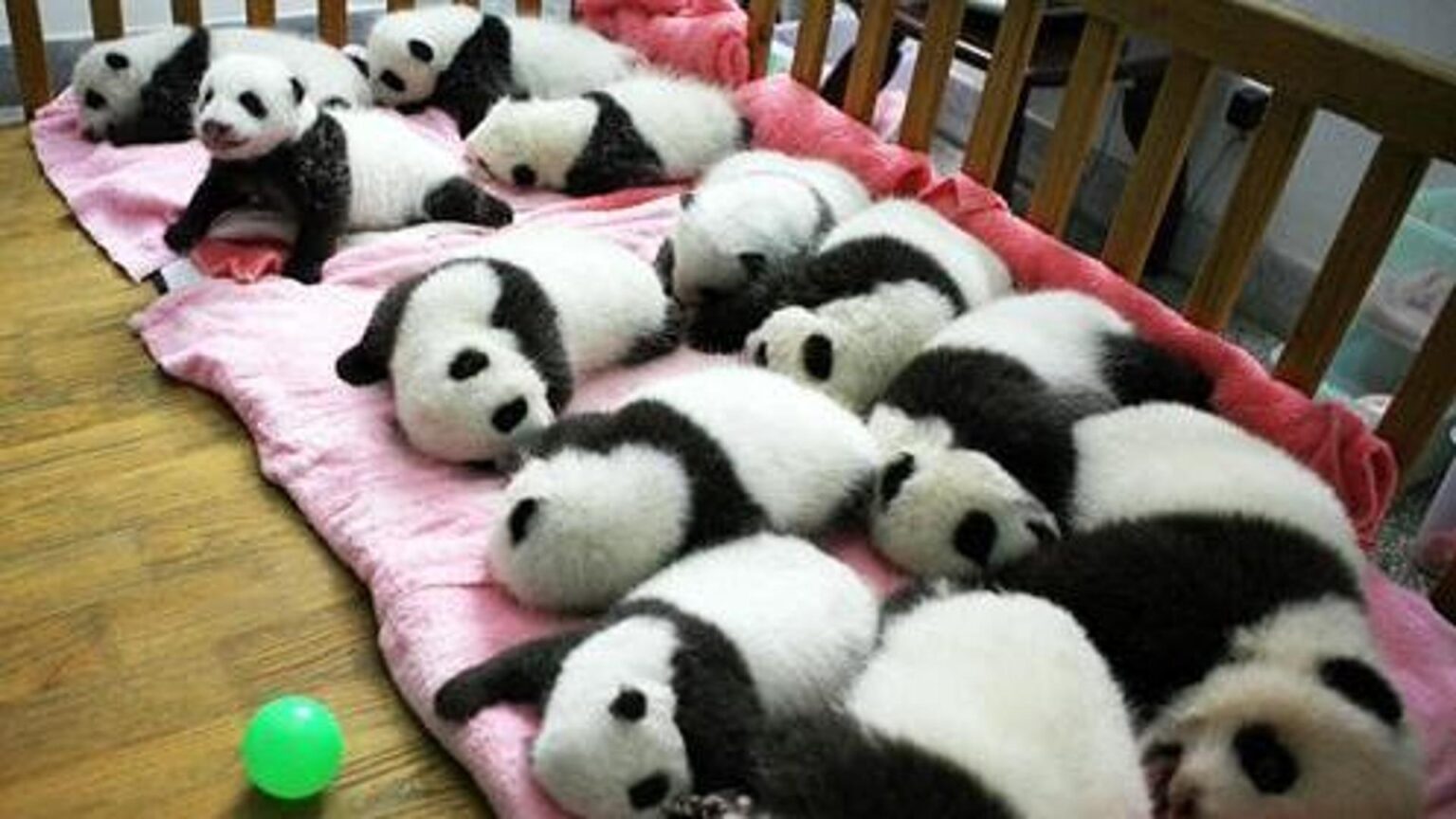
The giant panda kindergarten, called “Panda Kindergarten” at Chengdu Research Base, is the space dedicated to puppies under 12 months, housed in enclosures such as Sole and Stella. Here, under the watchful guidance of the keepers, The cubs develop skills that are crucial for their growth. This facility exists precisely to compensate for the limitations of captive motherhood. Panda mothers often reject twins or fail to provide comprehensive care, focusing on the "strongest" cub, which risks high neonatal mortality. In practice, the giant panda nursery encourages play, strengthens muscles, and awakens natural instincts, increasing the survival rate from the initial 30% to the current 97% thanks to well-organized routines.
Why the Giant Panda Nursery Exists: The Problem of Neonatal Care
The giant panda nursery was founded in 1987 on a 3 km² site at the Chengdu Research Base, addressing a crucial crisis for the species. Short gestation periods produce cubs weighing just 100 grams, blind and completely defenseless, while mothers tend to favor a single cub, neglecting the rare twins, which occur in approximately 1 in 10 cases. Without human intervention, neonatal mortality exceeded 70%. Today, thanks to techniques such as cub swapping and the use of incubators, keepers teach essential behaviors that mothers don't always provide. This facility is crucial because it prepares the cubs for rewilding, or returning to the wild. Inadequately socialized cubs fail in the wild, putting the more than 1,800 giant pandas remaining in the wild at risk.
You may also be interested in:
Quando i cuccioli di panda iniziano a mangiare il bambù? Lo svezzamento mese per mese
What is it for: social skills and physical development
The giant panda nursery serves as a veritable "kindergarten" for 20-30 cubs a year. Here, playing on swings and slides strengthens their muscles, preparing them for the future climbing skills typical of the species. Group interactions prevent isolation, which is crucial even for a naturally solitary species like the giant panda. Keepers stimulate defecation by tapping their bottoms and administer milk or pureed bamboo, about 200 grams per day. All these activities mimic the natural habitat among the bamboo, reducing stress and teaching foraging skills, while cameras monitor the area 24/7 to collect valuable scientific data.
Structure, opening hours and access
The giant panda nursery is divided into quiet zones like Sun, for peaceful observation, and more dynamic zones like Star, bursting with energy. It's open from 8:00 am to 11:00 am and from 1:30 pm to 4:00 pm, just when the 5-10 kg cubs are at their most active. Tickets cost CNY 55 if purchased online, and the South Route lasts about 2.5 hours, offering up-close views of the cubs. The rules are strict: no flashes or noise to avoid stressing them. Morning is the ideal time to enjoy and admire them without the crowds. Volunteers, meanwhile, prepare up to 38 kg of bamboo per day for each panda, supporting the base's 260 residents.
Fundamental impact on conservation
The giant panda nursery is a key pillar of China's conservation program. It has allowed the reintroduction of hundreds of animals to Panda Valley, effectively combating deforestation and poaching that threaten the species. It also supports research into artificial insemination and global education. Without this facility, this vulnerable species would face extinction; with it, panda diplomacy facilitates the export of cubs to zoos around the world. Iconic cubs like Hua Hua, who grew up at the nursery, specifically Villa No. 6, to international fame, perfectly embody the nursery's success as a lifesaver for pandas.