






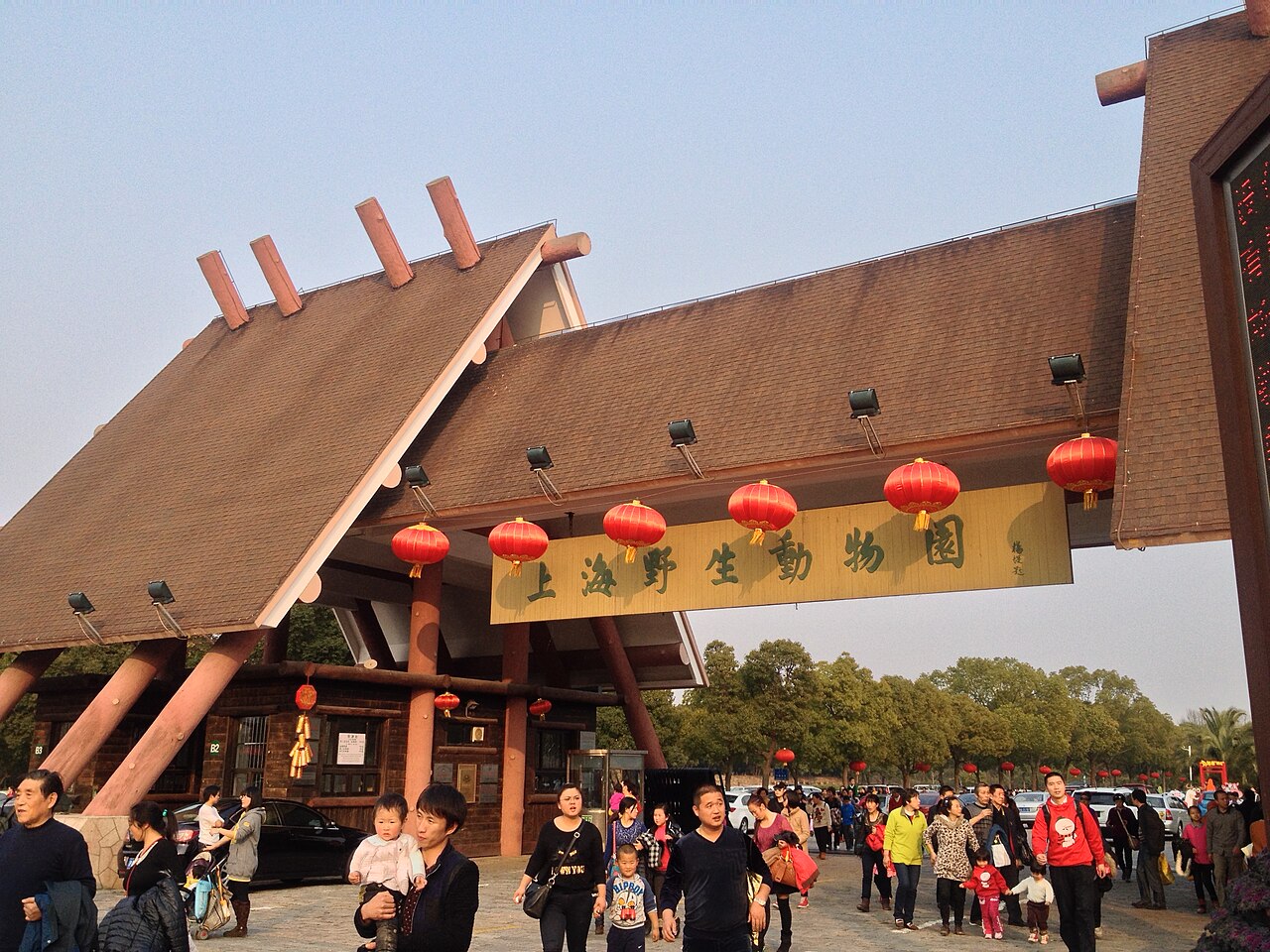
The history of the Shanghai Zoo (Shanghai Wild Animal Park) It represents a cornerstone of global conservation, home to iconic species like giant pandas in a unique urban setting. This in-depth guide explores every aspect, from history to attractions, to make your visit unforgettable. Get ready to discover why it's a top destination for nature lovers.
History, Origins and Development of the Shanghai Zoo
The history of the Shanghai Zoo is essential to understand. The zoo was officially opened in 1956 as Shanghai Xijiao Gongyuan. Its roots date back to 1916, when a British club converted an area into a golf course. In 1952, it became a public park, evolving in the 1950s into a modern zoo with a focus on research and education. Today, it covers 73 hectares with over 600 animal species and 7,000 plants, including 100,000 trees that create a lush microclimate. The Shanghai Zoo has collaborated with other international zoos on breeding programs, saving species such as the giant panda from extinction. In 2025, it celebrated panda birthdays with public events, strengthening its educational role.
The protagonists: giant pandas and rare fauna
Taking center stage is the giant panda house, home to prestigious families. These iconic black and white animals, almost exclusively fed on bamboo (up to 38-40 kg per day), live in spacious enclosures designed to mimic their Sichuan habitat. Caves, climbing trees, and pools are featured. Recently, in September 2025, the zoo welcomed newborn panda twins, becoming local icons and attracting global tourists. Nearby, red pandas leap agilely between branches, while endemic and rare South China tigers dominate designated hills with safe viewing platforms. The collection also includes Asiatic lions, Indian elephants, and white rhinos, all part of IUCN conservation programs.
Main attractions not to be missed
The zoo is divided into themed zones according to a logical flow. Swan Lake is a serene oasis with black swans, colorful-beaked pelicans, and flocks of pink flamingos dancing on the water. Further along, Lion and Tiger Hill offers breathtaking views of powerful predators: Siberian tigers swim in artificial lakes, lions stretch out in the sun. The Bird Garden boasts over 300 species in giant aviaries, including rainbow toucans and fish eagles. The Reptile House also features reticulated pythons, Yangtze crocodiles (a protected species), and a variety of venomous snakes in interactive display cases with touch-screen information. The aquatic section features Humboldt penguins and California fur seals in daily shows. For the little ones, the Children's Zoo allows petting dwarf rabbits and feeding goats.
Practical information: opening hours and access
Located at 2381 Hongqiao Road, Changning District, the zoo is easily accessible. Opening hours: 8:30-18:00 (April-October, last admission 17:00); 8:30-17:00 (rest of the year, closed on Mondays in winter). Tickets 2026: 40 RMB adults, 20 RMB students/seniors, free for those under 1.3 million or over 70. Buy online To skip the line on platforms like Trip.com, take Metro Line 10 (Shanghai Zoo Station, Exit 2/4), multiple buses (20, 88, 196), or taxi from the city center (20-30 minutes). Parking is available (10 RMB/hour). Ideal duration: 4-5 hours; English audio guide available at the entrance.
Tips for an unforgettable visit
Plan your morning. Pandas are most active between 9 and 11 a.m., avoiding their afternoon hibernation. Spring (March-May) or autumn (October-November) offer mild temperatures (15-25°C) and blooms. Sunscreen, a hat, and a bottle of water are essential. Free drinking fountains are available everywhere. Respect the rules: no food in the enclosures, no single-use plastic, and flashlights are prohibited. Download the official app to view maps and show times (panda feeding shows 10:30 a.m.-3:00 p.m.). For families, carts are available for rent (20 RMB); vegetarians will find options in the cafes. In 2026, look out for post-reopening Ueno transfer events related to the pandas. This zoo is not just a spectacle, but a living lesson in biodiversity. End your day with sunsets over the lake, leaving you with a sense of wonder. Shanghai Zoo combines entertainment with an environmental mission, making it a must-see for every traveler.