






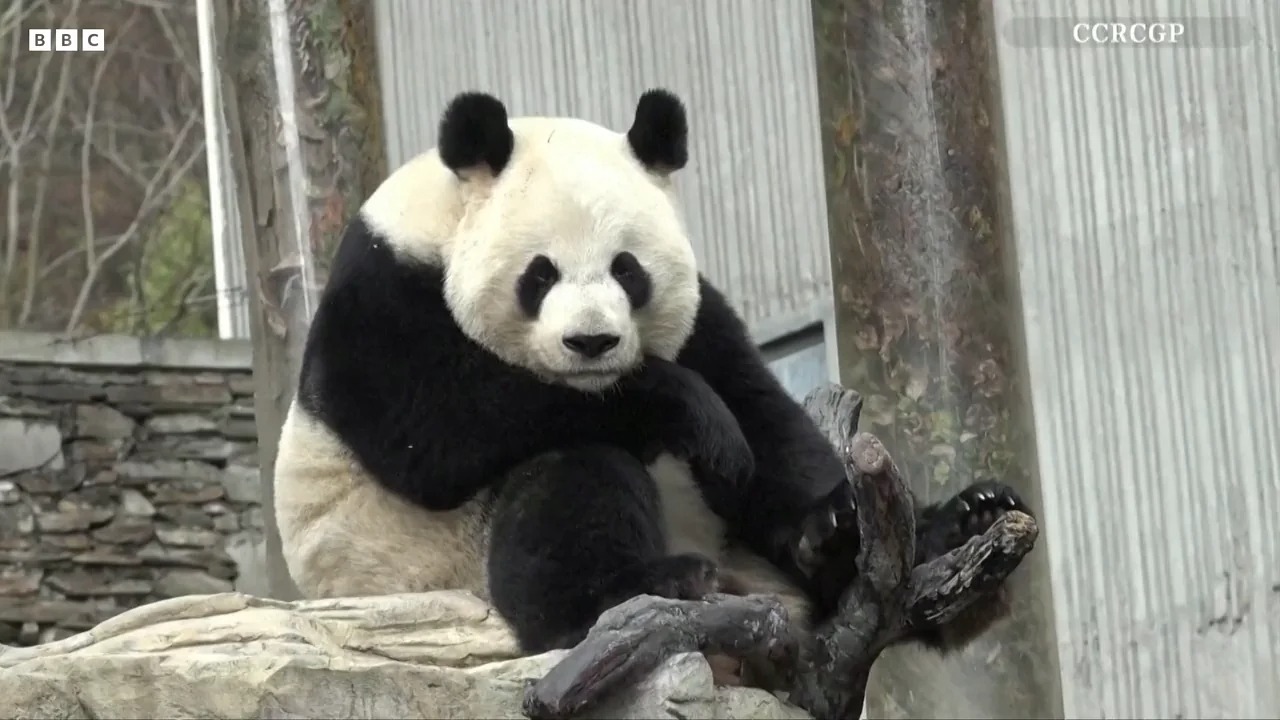
A detailed analysis of hiccups in giant pandas, including iconic videos, scientific causes, and fun facts about why they're so common in cubs.
Hiccups in giant pandas: the video
Hiccups in giant pandas aren't just a cute phenomenon captured in viral videos. They're a common reflex, especially in cubs, that causes them to tremble, pause in confusion, or flail their legs. This happens when the diaphragm contracts involuntarily, just like in humans, but in pandas, it's amplified by their bamboo-based diet and the way they suck their mother's milk. Understanding the causes of hiccups in giant pandas helps dispel myths, appreciate these adorable moments, and better understand the physiology of an iconic conservation species.
What are hiccups in giant pandas?
Hiccups are a spasmodic and involuntary contraction of the diaphragm, the muscle separating the chest and abdomen, which causes the glottis to suddenly close and produces the classic "hic" sound. In giant pandas, they appear as a full-body tremor, with jolting shoulders and perplexed expressions, making them irresistible in videos. They are more common in cubs, but can also occur in adults, as documented in Chinese conservation centers. In newborn cubs, hiccups appear early, often related to breastfeeding, and disappear on their own without any danger.
Main causes of hiccups in panda cubs
In giant panda cubs, hiccups are almost daily in the first few weeks, mainly due to excessive air swallowing while sucking from their mother.
- Swallowing air while breastfeeding: the voracious little ones swallow air with the milk, dilating the stomach and irritating the diaphragm.
- Quick feed or post-meal play: After milk or bamboo puree, trapped air causes spasms.
- Mild excitement or stress: Playful pandas or pandas in new environments (zoos) may hyperventilate, triggering the reflex.
These causes are similar to those in newborn dog puppies or humans, but in pandas they are amplified by total dependence on the mother in the first 4-6 weeks of life.
Viral videos of giant pandas hiccuping
Videos of giant pandas hiccuping have garnered millions of views, showing unique reactions that mix confusion and tenderness.
- Berlin Zoo cub, in 2019: a baby panda stops suddenly, looks around in bewilderment while his body trembles – a reaction of pure innocence.
- Wolong Shenshuping, China, in 2023: An adult panda bounces noisily, its shoulders bouncing like in a cartoon.
- China Conservation Center, in 2018: puppy walking cautiously, stopping at every “hic”, unaware of the cause.
These viral clips are not only entertaining, but also raise awareness about conservation, showing healthy, active pandas despite harmless hiccups.
Hiccups in adult giant pandas
In adults, hiccups are less common but are related to diet. Eating bamboo too quickly or sudden temperature changes in mountain habitats can irritate the diaphragm. Stress from captivity or swallowing air during fast food meals (up to 30-40 kg/day) are known triggers. It rarely persists beyond minutes and requires no intervention, confirming that giant pandas have a robust digestive system despite their fibrous diet. In captivity, keepers monitor for rare problems such as nerve irritation, but it is almost always benign.
Natural remedies and management of panda hiccups
Hiccups in giant pandas resolve on their own within 5 to 30 minutes. Keepers use non-invasive strategies.
- Calm the animal: providing a quiet environment reduces stress and spasms.
- Food break: wait for the air to escape naturally after meals.
- Drink or move: Encouraging small sips of water or light play stimulates the diaphragm.
In Chinese centers, pharmacological intervention is not used except in extreme (rare) cases, favoring natural approaches that respect the physiology of pandas.
Hiccups and Panda Conservation Trivia
Hiccups in giant pandas are a reminder of their vulnerability. Cubs are 100% dependent on their mothers. In China, centers like Wolong study them to monitor neonatal health. They aren't pathological, but rather a sign of well-being. Stressed or malnourished pandas suffer more. This "adorable weakness" makes pandas perfect ambassadors for biodiversity.