






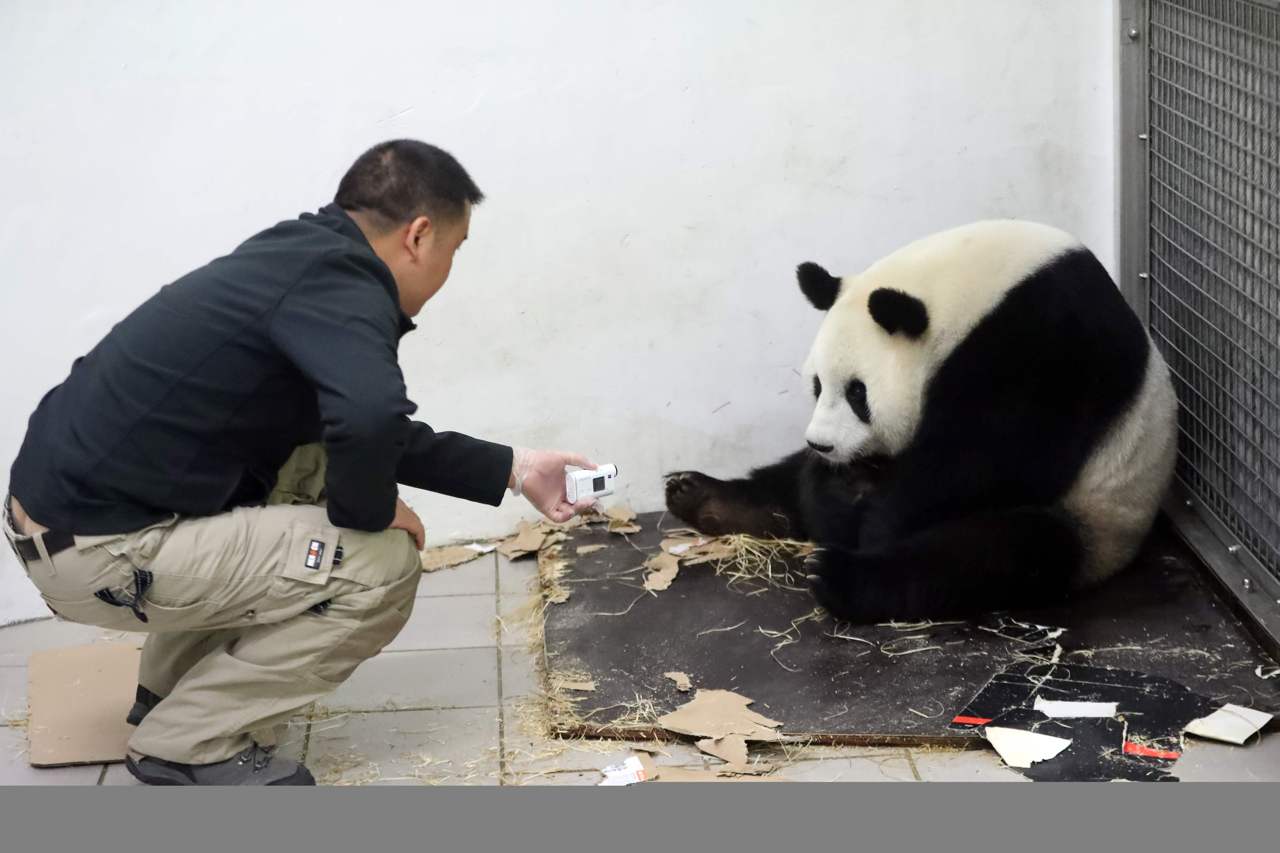
Discovering how giant pandas interact and build relationships with humans means delving into one of the most fascinating topics in animal conservation. The giant panda, a global symbol of biodiversity and an endangered species, is surprising not only for its peaceful nature and black and white fur, but also for the social behaviors that emerge from direct contact with humans.
Giant Pandas and Humans: The Relationship: Environment and Conditions of Human-Panda Interactions
In the wild, giant pandas are solitary and shy animals, focused on foraging for bamboo and avoiding human presence as much as possible. However, in conservation centers, zoos, and nature reserves, interaction between pandas and humans is much more frequent. In these protected environments, pandas live in close contact with their keepers, who play a crucial role in the animals' health and well-being. Daily feeding, cleanliness of the spaces, and veterinary care foster a relationship of trust and mutual recognition, thanks to constant and positive interactions.
Forms of interaction: affection, dependence and communication
Pandas are capable of developing meaningful emotional bonds with their keepers. Clear signs of dependence and affection emerge in everyday life: hugs, seeking physical contact, and playful behavior are not uncommon among pandas familiar with their human staff. Some individuals, after prolonged interaction, demonstrate enthusiasm and seek the company of specific keepers, as demonstrated by numerous studies and research centers.
Intelligence, learning and memory
Giant pandas possess a high level of intelligence and can learn new behaviors through observation and repeated routines. They are able to recognize simple commands, respond to sound or visual stimuli, and adapt to training sessions aimed at monitoring their health. This level of learning facilitates collaboration between humans and pandas in environmental enrichment programs and veterinary procedures, ensuring the safety of both parties.
Emotional Connection: The Power of Eye Contact
Eye contact between pandas and humans is an emotionally powerful communication channel. Pandas' expressive gazes convey safety, calm And, according to some research, they foster empathy and emotional connection among operators and visitors. This emotional connection amplifies the desire to protect the species, making the panda one of the most effective natural ambassadors for raising awareness about conservation.
You may also be interested in:
Giant Panda Keepers: How They Interact and Care for the Animals
Concrete examples of giant panda-human relationships
- The famous panda [Qi Yi], at the Chengdu Panda Breeding Research Base, is known for his habit of clinging to his keeper's legs, even after being removed. This behavior isn't just about food, but demonstrates how emotional bonds can develop between humans and animals.
- In Sichuan villages like Baoxing, coexistence between humans and pandas has deep roots: bamboo is often left at the doorsteps of houses and residents collaborate with the authorities to protect and rescue pandas in difficulty.
The interactions between giant pandas and humans are much richer and more complex than one might think. While respecting their independence remains essential in the wild, conservation environments offer unique opportunities for bonding, learning, and collaboration. These relationships contribute to the animals' well-being and raise global awareness of the importance of panda conservation.