






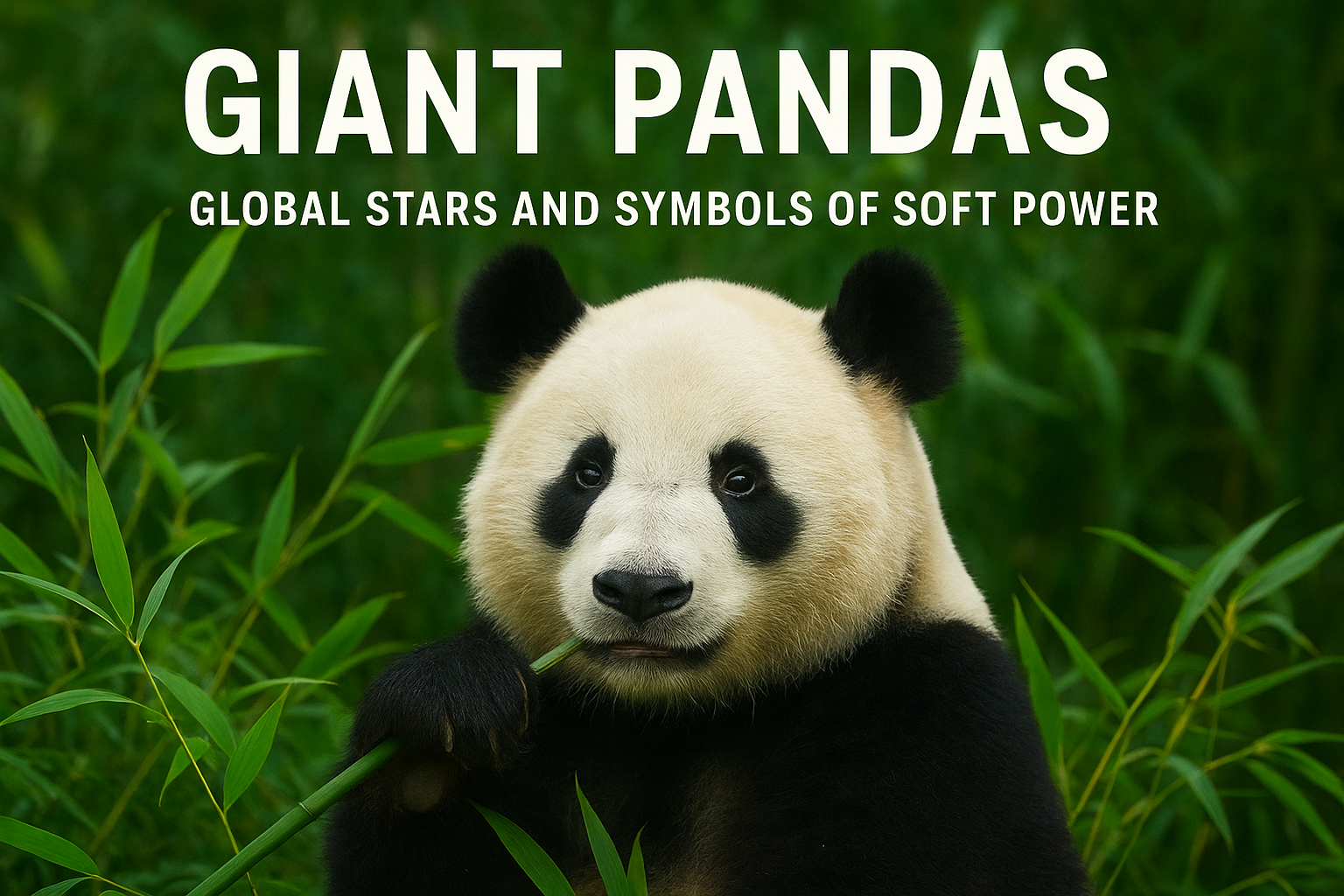
Giant pandas are not only national symbols of China, but real ones global and international stars, capable of attracting media attention, tourist flows, and multimillion-dollar investments. With their amusing gestures—from eating bamboo to rolling around with clumsy elegance—these animals have become ambassadors of friendship, culture and biodiversity all over the world.
In addition to their universal appeal, pandas represent an effective tool for soft power: through their presence in foreign zoological parks and research centers, China strengthens diplomatic relations, cultural exchanges and international influence, promoting their image in a peaceful and charming way. In fact, during 2024, several panda families have consolidated their status as “world superstars”, generating an unprecedented economic, cultural and political impact in the host countries.
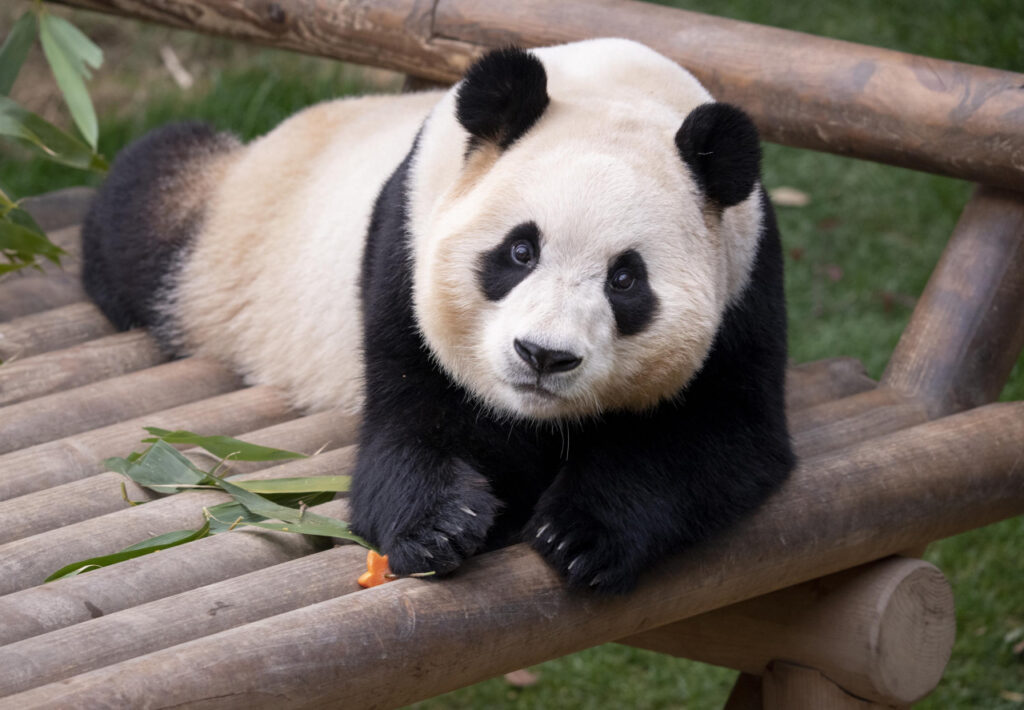
Giant pandas global stars, Fu Bao: The “Princess” Who Conquered South Korea and the global world
At the top of the global star ranking we find Fu Bao, the first giant panda born in South Korea, daughter of the couple Ai Bao e Le Bao, residents at Everland Panda World for eight years. During his more than 1,000 days of public permanence, Fu Bao attracted more than 5.5 million visitors and generated the sale of over 3.3 million merchandise items.
His return to China was a national event. Crowds of fans gathered in the rain with love signs, while charter flights and dedicated cars transformed the move into a veritable “global ”panda show”, worthy of an international star. This transversal affection is a concrete example of cultural diplomacy in action.
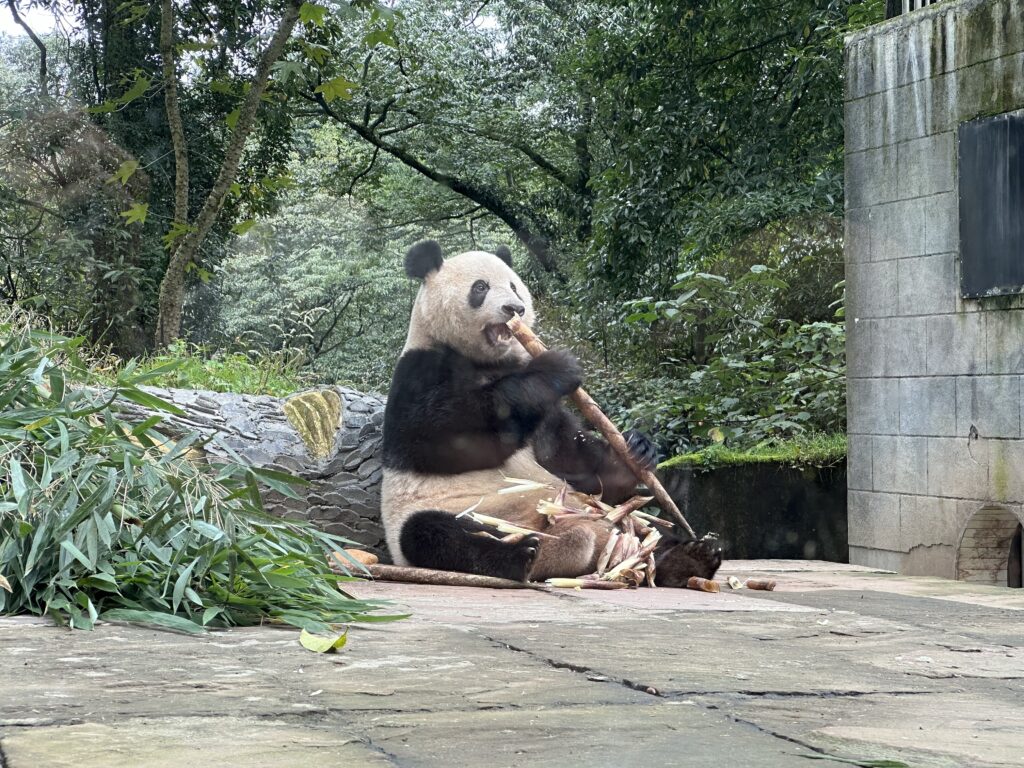
Xiang Xiang: a cultural and economic icon in Japan
In Japan, the popularity of Xiang Xiang continues to break records. According to local studies, the panda has generated economic benefits of approximately RMB 2.8 billion in less than six years. After her return to China, numerous Japanese travel agencies launched tour packages to visit her in Sichuan, recording sales exceeded expectations. The “Xiang Xiang economy” demonstrates how pandas can act as strategic levers of tourism and soft power, strengthening ties between the two countries.
Europe invests in giant pandas: Madrid, Berlin, and the Netherlands are renovating
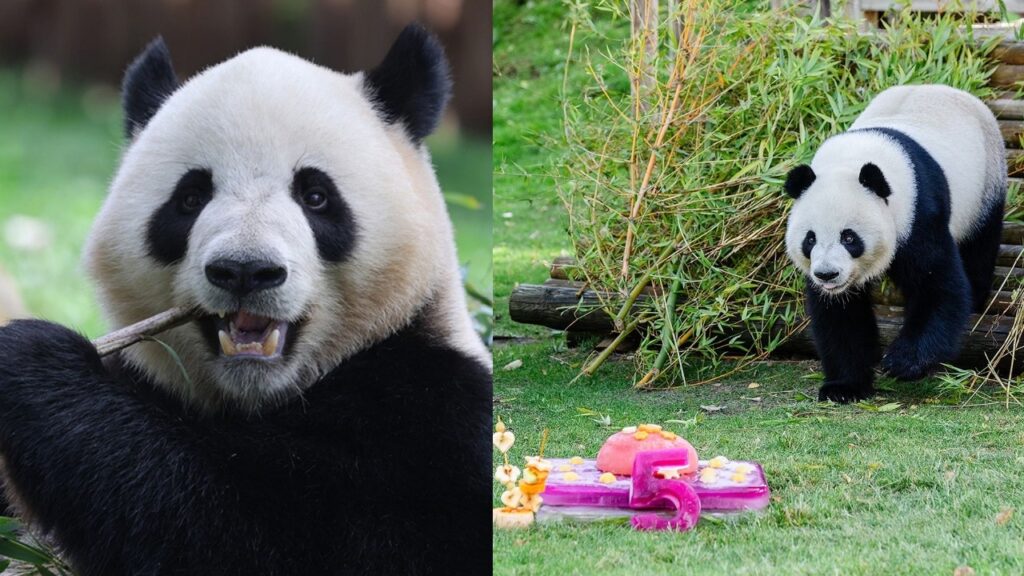
In Spain, Madrid Zoo welcomed pandas in 2024 Jin Xi e Zhu Yu, completely restructuring their habitat to ensure high standards of animal welfare. New maternity facilities have been built, climbing areas have been improved, and interactive facilities have been introduced to improve the pandas' quality of life. Netherlands, the birth of the panda Lang Yue In July 2024, it strengthened the Sino-Dutch cultural bond: the name combines references to Rembrandt and the moon, a symbol of friendship and harmony. Berlin, the twins Meng Hao e Meng Tian, born on August 22, 2024 and whose name means "sweet dreams," debuted in December of the same year, immediately attracting thousands of visitors. These events not only generate significant tourist returns, but also contribute to keep cultural diplomacy alive between China and Europe.
Hua Hua, the “director” Honorary Member of the Chengdu Culture and Tourism Bureau: a symbol par excellence of the country's soft power
Among the giant pandas that represent global stars, one stands out Hua Hua, a young giant panda Chengdu Research Center, which has become a real one international media sensation. Thanks to its lively personality, viral videos and huge interest from tourists, Hua Hua has helped attract over 10 million visitors at the center in recent years, generating hundreds of millions of RMB in direct and indirect revenues. Hua Hua is not just a tourist phenomenon, it is also a symbol of Chinese soft power, capable of promoting national culture in a spontaneous, empathetic and global way.
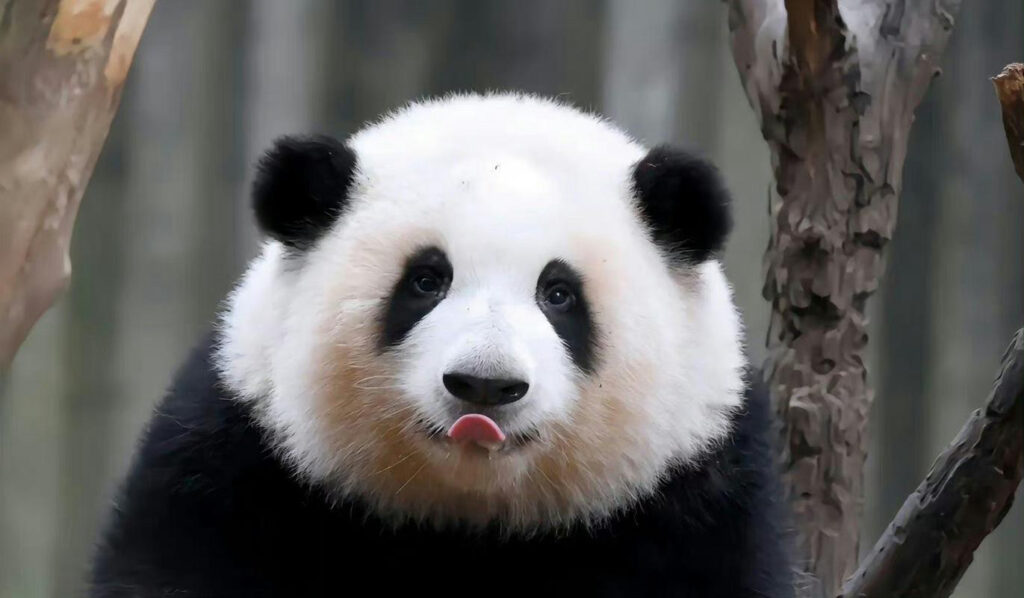
Giant Pandas: Ambassadors of Friendship, Conservation, and Cultural Influence
To the December 14, 2024, China had sent 44 giant pandas throughout the world. These animals play a triple role:
- Cultural, as ambassadors of peace and friendship;
- Environmental, as symbols of biodiversity conservation;
- Strategic, as effective tools of soft power and cultural diplomacy.
Thanks to decades of international cooperation, the number of giant pandas in the wild has increased from approximately 1,100 in the 1980s to nearly 1,900 today, marking a global success in the conservation of the species.