






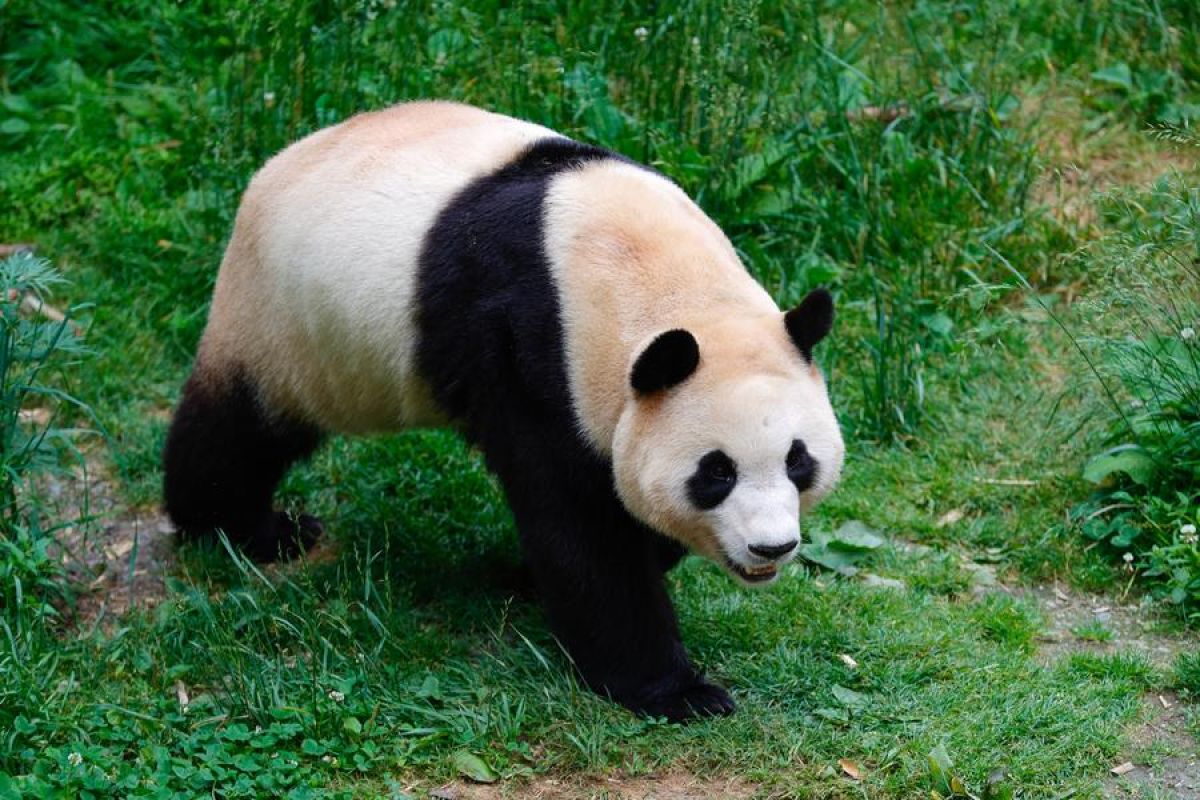
Between August and September 2024, the female giant panda Fu Bao She experienced a state of pseudopregnancy. A well-known and studied phenomenon in giant panda conservation. The China Center for Giant Panda Protection and Research shared a video of Fu Bao's eating habits on its Weibo account, announcing the state of pseudopregnancy shortly thereafter.
Fu Bao and pseudopregnancy in giant pandas: hormonal changes and atypical symptoms of the reproductive cycle
Between March and April 2024, Fu Bao exhibited significant hormonal changes and atypical symptoms during her reproductive cycle, such as her first estrus. From mid-August, signs of decreased appetite, reduced bamboo and supplemental food intake, decreased stool production, reduced activity, increased rest time, and frequent water play emerged. Medical examinations revealed significant physiological changes in her external genitalia, confirming her state of pseudopregnancy. Pseudopregnancy in giant pandas occurs when a female, despite not actually being pregnant or having failed to conceive during estrus, exhibits behaviors and hormonal conditions similar to those of a pregnancy. From a panda pregnancy diagnosis perspective, this condition can last one to two months.
Determining pregnancy in giant pandas is also challenging due to the variable length of gestation, which can range from 72 to 324 days, and the phenomenon of delayed embryonic implantation. Experts use several methods: observation of external behavior (decreased appetite, changes in activity), measurement of hormones in blood and urine, and giant panda ultrasound, which detects embryonic development, fetal movements, and heart rate. Understanding giant panda behavior, particularly pseudopregnancy, is crucial to giant panda conservation strategies in China and supports scientific efforts to improve the health and well-being of these iconic animals.