






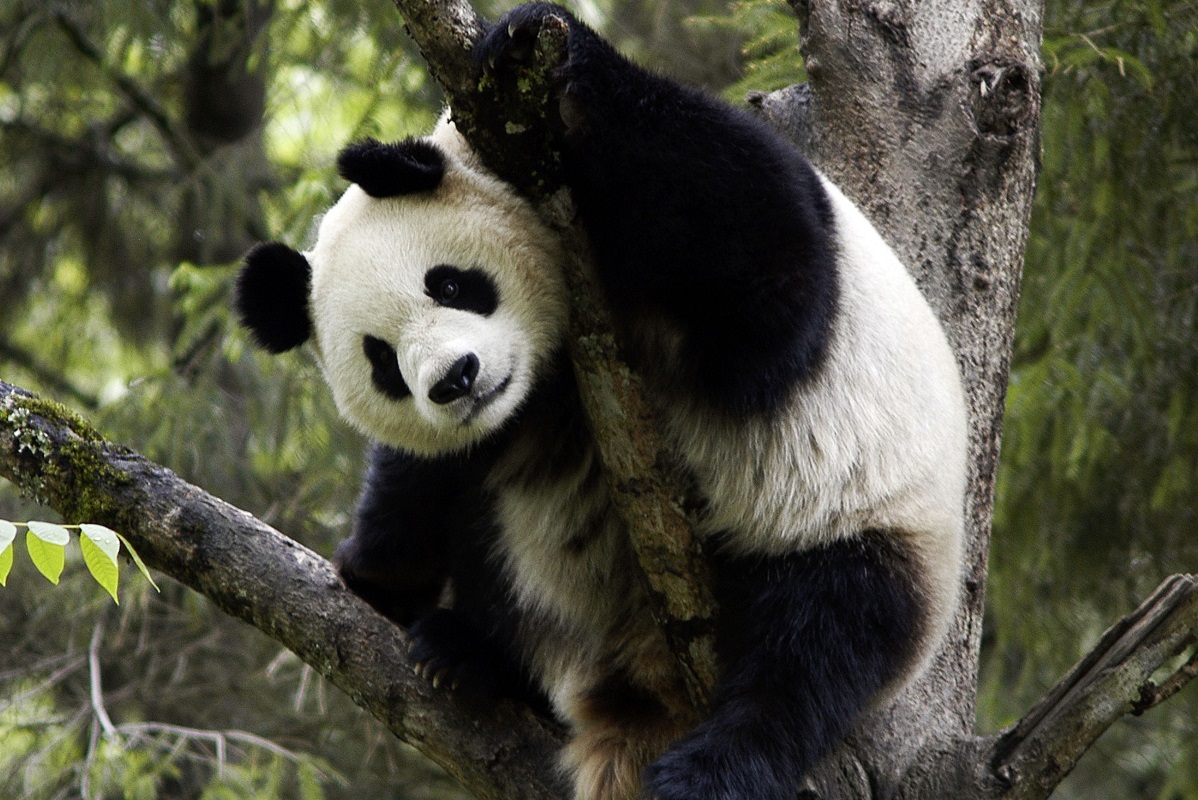
Giant pandas live in the temperate forests of central China, an environment characterized by a cool, humid, and stable climate that supports their existence and the lush bamboo they feed on. These animals spend their lives in mountainous regions that combine mild temperatures, frequent rainfall and a rich forest ecosystem, fundamental elements for their survival.
Here's what climate pandas live in: temperature and seasonality in their natural habitat.
The climate in the forests where pandas live is generally cool, with temperatures ranging from 5°C to 20°C (41°F to 68°F) depending on the season and altitude, which varies from 1,200 to 3,500 meters above sea level. Winters are generally cold, sometimes with temperatures below freezing, although snow is rare at lower altitudes. The climate is mild, protected by the high altitude, avoiding the extreme heat that is harmful to pandas. Thanks to their thick fur, pandas tolerate the cold well while maintaining body heat.
Abundant rainfall and humidity for a bamboo-rich habitat
China's temperate forests receive between 700 and 1,000 mm of rainfall annually, with precipitation concentrated mainly between spring and autumn. This humid climate keeps the bamboo undergrowth lush and green, essential to the panda's diet, which feeds almost exclusively on these plants. High humidity prevents the air from drying out, promoting the animals' health and well-being.
A stratified forest ecosystem for the survival of the panda
The pandas' territory is composed of deciduous and coniferous forests rich in bamboo, which constitutes the bulk of their diet. The stratified structure of the forests creates a cool, shaded microclimate, ideal for both the bamboo and the shelter of the pandas, who prefer secluded and quiet environments. The moist, fertile soil creates a stable ecosystem, ensuring a continuous food supply year-round.
Unique adaptations to cool, humid climates
Giant pandas are perfectly adapted to the cool, humid climate of their region. Their thick fur insulates them from the cold, while a robust body and slow metabolism reduce their energy needs, allowing them to live on a almost exclusive bamboo diet, low in calories but abundant. This combination of adaptations makes it possible for them to survive in an environment that requires specific climatic conditions.
This comprehensive overview of the ideal climate for giant pandas in China's temperate forests will help you understand how these favorable climatic conditions are crucial to their conservation and well-being, a key element in the protection of this fascinating species. The delicate balance between environment and animals which allows pandas to live in these unique and wonderful ecosystems.