






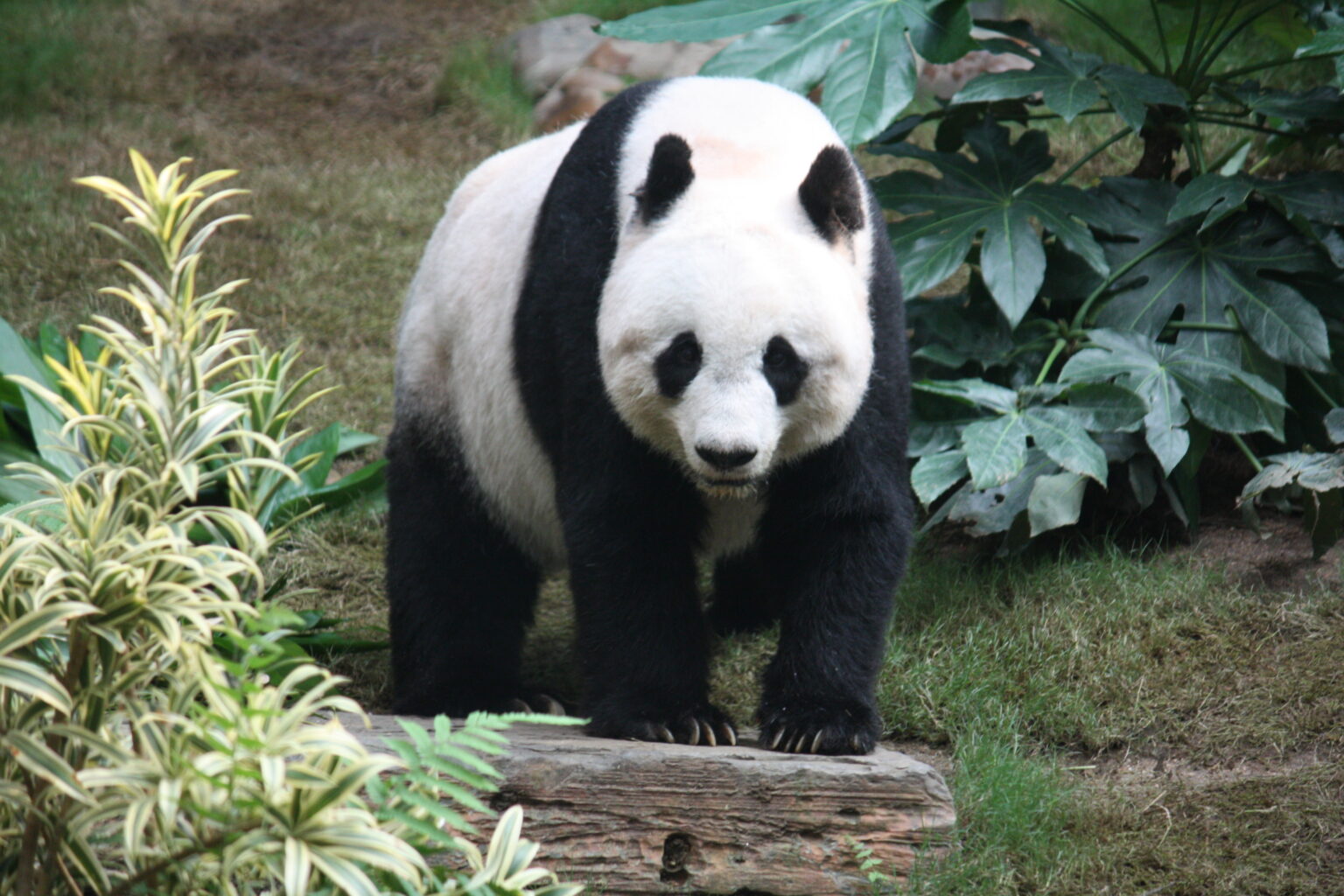
The history of the giant panda conservation in China It began in 1978 with the first ecological station in Wolong, a world pioneer in the protection and study of the natural environment. From there, thanks to the commitment of researchers and custodians, institutions of excellence have been born such as the Chengdu Research Base of Giant Panda Breeding, a true global center for research, education and scientific tourism, with over 215 pandas bred.
You may also be interested in:
A wild panda's tender embrace of her cub moves the world.
Giant Panda Conservation in China: A Global Model for Research and Tourism
The story of giant panda conservation begins in Wolong and ends in Chengdu, China. The Chengdu Panda Base is the premier research, conservation, and breeding base for this protected species. Today, the Chengdu Panda Base is the world's leading center for breeding, genetic research, and reintroduction of pandas into the wild. Awarded by the UN and visited by thousands of tourists and experts, it represents the synthesis of science, education, and global awareness of giant panda conservation. Thanks to innovations such as hormone monitoring and new assisted reproduction techniques, China is leading the future of animal conservation.International cooperation and transparency in research consolidate China's primacy: every visit and every research project strengthens the "panda economy" and spreads a sustainability model imitated throughout the world.