






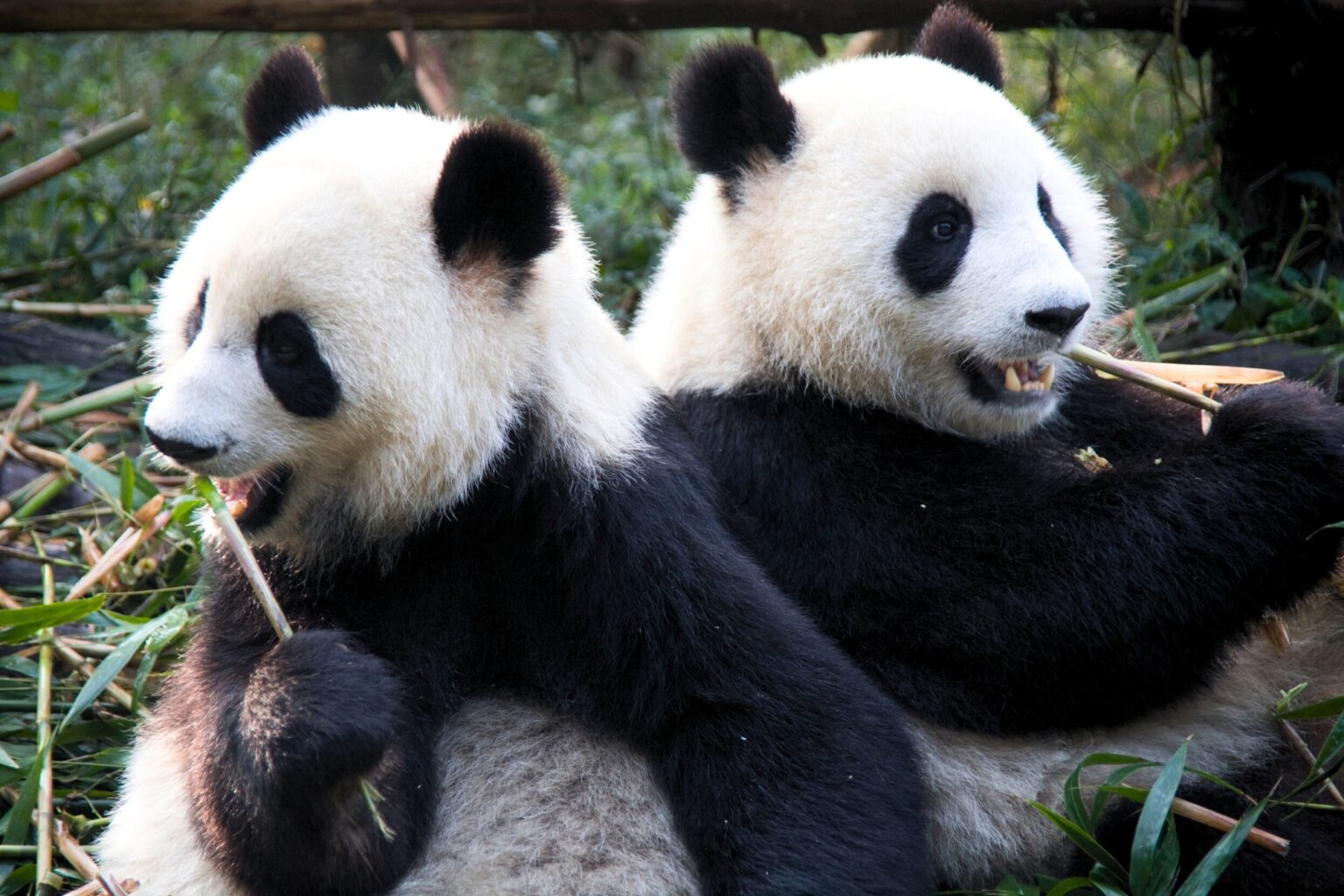
Today, Tuesday, January 27, 2026, giant panda twins Xiao Xiao and Lei Lei depart for China, leaving Ueno Zoo in Tokyo, Japan forever. The pair have already boarded a flight from Narita to China, leaving the country without pandas for the first time in over 50 years. It was a moving farewell. Last Sunday 4,400 visitors with randomly selected tickets were able to see them for the last time, while thousands of other tourists and residents gathered outside the zoo to bid farewell. The offspring of Shin Shin and Ri Ri—who returned to China in September 2024—and siblings of star Xiang Xiang (who returned in 2023), the two cubs born in 2021 close a historic chapter that began in 1972 with the arrival of the first pandas on loan from China.
The two pandas in Japan leave for China, the story of their return: from Ueno Zoo to Chengdu
Xiao Xiao and Lei Lei departed Tokyo this morning, Tuesday, January 27, 2026, on a special flight dedicated to their safe transportation to a conservation center in China, likely the Chengdu base. The atmosphere at the zoo was charged with emotion. Endless lines, fans with banners, and a palpable emptiness after more than half a century of panda presence. The logistics—boarding at Narita Airport—comply with the bilateral agreement, which stipulated their return by February 2026.
Ueno Zoo once housed 15 giant pandas, making them the park's iconic attraction. Since 1972, zookeepers have produced famous births, attracting millions of tourists. Xiao Xiao and Lei Lei's family was the latest generation. Their older sister, Xiang Xiang, had become a true celebrity, with a fan club and dedicated merchandise. Their early return reflects China's policy of strengthening the domestic population, with pandas only loaned to foreign zoos for short periods under "panda diplomacy.".
You may also be interested in:
Duo Duo the panda is back in China: here's why
Journey to the Heart of Sichuan: A Panda Birthday Celebration Tour
The historic panda house in Ueno is no longer there
Panda Diplomacy: The Political and Cultural Significance
The return of giant pandas is not just an animal transfer, but a chapter in China's "panda diplomacy," a soft power tool since the 1970s. Begun under Mao Zedong, it involves lending pandas to friendly nations, costing the host countries millions of dollars (up to $1 million annually per pair, plus other expenses). For Japan, which maintains close ties with Beijing despite geopolitical tensions, pandas symbolize friendship. The first arrival in 1972 marked diplomatic normalization.
Today, with over 600 pandas in captivity (half in China), the program is evolving. Cubs born abroad are returned for genetic breeding programs, as per protocol and contract. This strengthens conservation, with survival rates at 95% thanks to Chinese expertise. For Tokyo, however, this means an "emotional and economic void." Ueno, in fact, loses 2-3 million panda-related visitors annually, equivalent to losses of tens of millions of yen.
Economic and social impact for Japan
Ueno Zoo, part of Tokyo Metropolitan Park, owes much of its appeal to pandas. Families, tourists, and schools crowded the dedicated areas, generating revenue from tickets, souvenirs, and photos. With the departure of Xiao Xiao and Lei Lei, the park is facing a drastic decline. Sources estimate 1.5 million visitors a year, just to admire the pandas, now replaced with other attractions. Japanese fans have expressed their sadness on social media, petitioning for new loans—but Beijing decides on a case-by-case basis, favoring strategic partners. Socially, pandas were ambassadors of peace. Events like "Panda Day" attracted multigenerational crowds. The final return brings to a close 54 years of history, but it has sparked discussions on new China-Japan conservation partnerships.
Future prospects: new pandas on the way?
China has approximately 808 giant pandas in captivity, which have been upgraded from "endangered" to "vulnerable" thanks to reserves and breeding. Xiao Xiao and Lei Lei will enter breeding programs, helping diversify the gene pool. For Japan, future loans depend on bilateral relations. Zoos like Adventure World (with active pandas) may continue, but Ueno remains empty. Experts predict that panda diplomacy will evolve towards shared scientific partnerships, with Chinese satellite monitoring technology and genetically modified bamboo.