






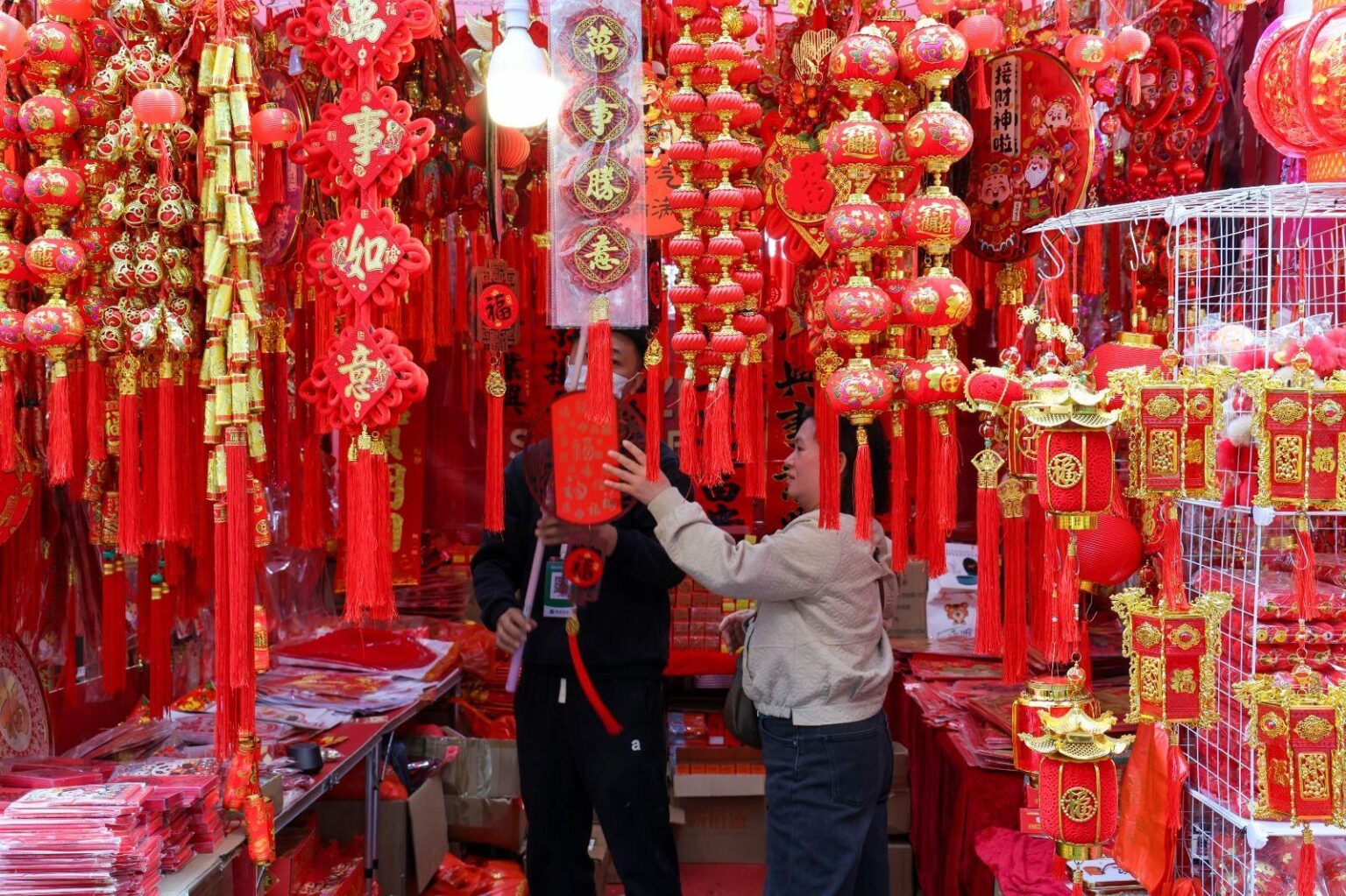
February 11, 2026, marks the Laba Festival in China, known as the "Little New Year." The eighth day of the twelfth lunar month officially marks the start of seven days of intense preparations for the Spring Festival, or Chinese New Year, celebrated on February 17.
February 11 in China: Why It's Celebrated: Its Ancient Origins and Cultural Significance
The Laba Festival, also known as the "Little New Year," originates from the Song Dynasty (960–1279 AD). But its legendary origins lie in Buddhism. The story goes that Siddhartha Gautama, after seven years of fasting, was given a bowl of creamy rice with dried fruit and nuts by a young shepherdess. That meal broke his fast and led him to enlightenment as the Buddha. This tale represents nourishment for body and soul, abundance, and awakening after the cold winter. In the past, it was a peasant festival to celebrate the end of the season's harvest. Today, for over 1.4 billion Chinese, it marks the beginning of the Chunjie, or Spring Festival, celebrations. It is the most anticipated national holiday, with billions of trips to reunite families.
The main domestic and social rites: the Kitchen Rite
The day of the Laba Festival is dominated by a major house cleaning. An essential ritual that involves the entire family. The floors are meticulously swept, curtains, windows, and every corner of the house are washed to eliminate "chen ji," or "old dust." This term not only refers to physical dirt, but also profoundly symbolizes all the bad luck, arguments, envy, and negative energy accumulated over the past year. The idea is that by removing this "old dust," we make room for "new dust," a harbinger of prosperity, harmony, and good fortune for the months to come.
At the heart of domestic rites is the Rite of the God of the Kitchen, called Zao Wang Ye, a fascinating and ancient tradition. In every Chinese kitchen, a paper image depicting this god, protector of the home, is posted. On the 23rd day of the 12th lunar month (about a week before Laba), families smear honey on the image's lips. This sweet ploy serves to "soften" the god, preventing him from reporting minor sins or family disputes to Heaven. Then, the image is solemnly burned in a purifying ritual. New images are posted on New Year's Eve, thus ensuring protection and blessings for the entire home during the coming year.
In parallel, in the Buddhist temples Throughout China, a moment of great community sharing takes place. Monks prepare huge pots of Laba soup and distribute it freely to the faithful and passersby. This gesture is not only an act of charity, but also strengthens social and spiritual bonds. The soup, blessed and shared, becomes a symbol of solidarity, abundance for all, and unity between generations and neighbors.
The Authentic Recipe of Laba Congee Soup
There Laba soup (Laba congee or Laba porridge) is the heart of the festival, prepared with 8-12 sacred ingredients Chosen to symbolize the cosmic harmony of natural elements (the number 8 evokes infinite prosperity in feng shui). This blend represents the "treasures of the earth," wishing for robust health, family fertility, and well-being for the coming year.
Basic ingredients for 6-8 portions:
- 1 cup glutinous rice (main for creaminess)
- ½ cup each of: roasted peanuts, red or azuki beans, lotus seeds, hazelnuts, blanched almonds, red jujube dates (sweet and beneficial), sultanas, sliced fresh ginger.
Traditional preparation:
- Rinse the rice and soak all the dry ingredients for 4-8 hours.
- Bring a large pot of water to a boil with 10-12 cups.
- Cook over very low heat for 4-6 hours, stirring often and adding hot water if it thickens too much: the result should be a velvety and fragrant cream.
- Serve piping hot, sprinkled with rock sugar which melts gently.
Fascinating regional variations:
- A Beijing, combined with glazed chestnuts for a rich, festive touch.
- In Sichuan, a pinch of fresh chili pepper adds spicy heat.
- In the South (Guangdong), dried shrimp or seaweed cod for marine flavors.
This recipe isn't just about food. Each ingredient brings a wish—peanuts for longevity, lotus seeds for purity, dates for family sweetness—transforming the meal into a propitiatory ritual passed down through generations.
You may also be interested in:
30 giant panda cubs make their public debut for Spring Festival 2026.
Taboos, Zodiac, and Outlook for 2026
During the Laba Festival it is essential to respect some ancestral taboos To avoid bringing bad luck on the new year, absolutely avoid borrowing money (a symbol of future losses), arguing or heated discussions (which "poison" family harmony), and, above all, cutting your hair or nails. According to popular belief, these acts "cut off" incoming good fortune, opening the door to misfortune and illness.
THE'’Year of the Fire Horse, which officially begins on February 17, 2026, brings with it a vibrant and overwhelming energy. This Chinese zodiac sign promises explosive dynamism, opportunities for adventurous travel, and brilliant successes in the creative and entrepreneurial fields. However, the "Fire" character warns against impulsiveness: the Horse gallops fast, but its rider must learn to slow down to avoid disastrous falls.
In the world, tradition lives strong also in Italy. A Milan, in the heart of Paolo Sarpi (the historic Chinatown), and Lawn, In fact, special events are organized with lit red lanterns, dragon dancing parades, and authentic tastings of Laba soup prepared by Chinese chefs. These celebrations unite the Chinese diaspora with local communities, creating irresistible cultural bridges. However, the Laba Festival is not just a celebration. Rather, it is a a living bridge between ancient folklore, profound spirituality and unbreakable family ties, a unique window to touch the beating heart of contemporary China and understand customs that, for over three thousand years, have guided the rhythm of life of one and a half billion people.