






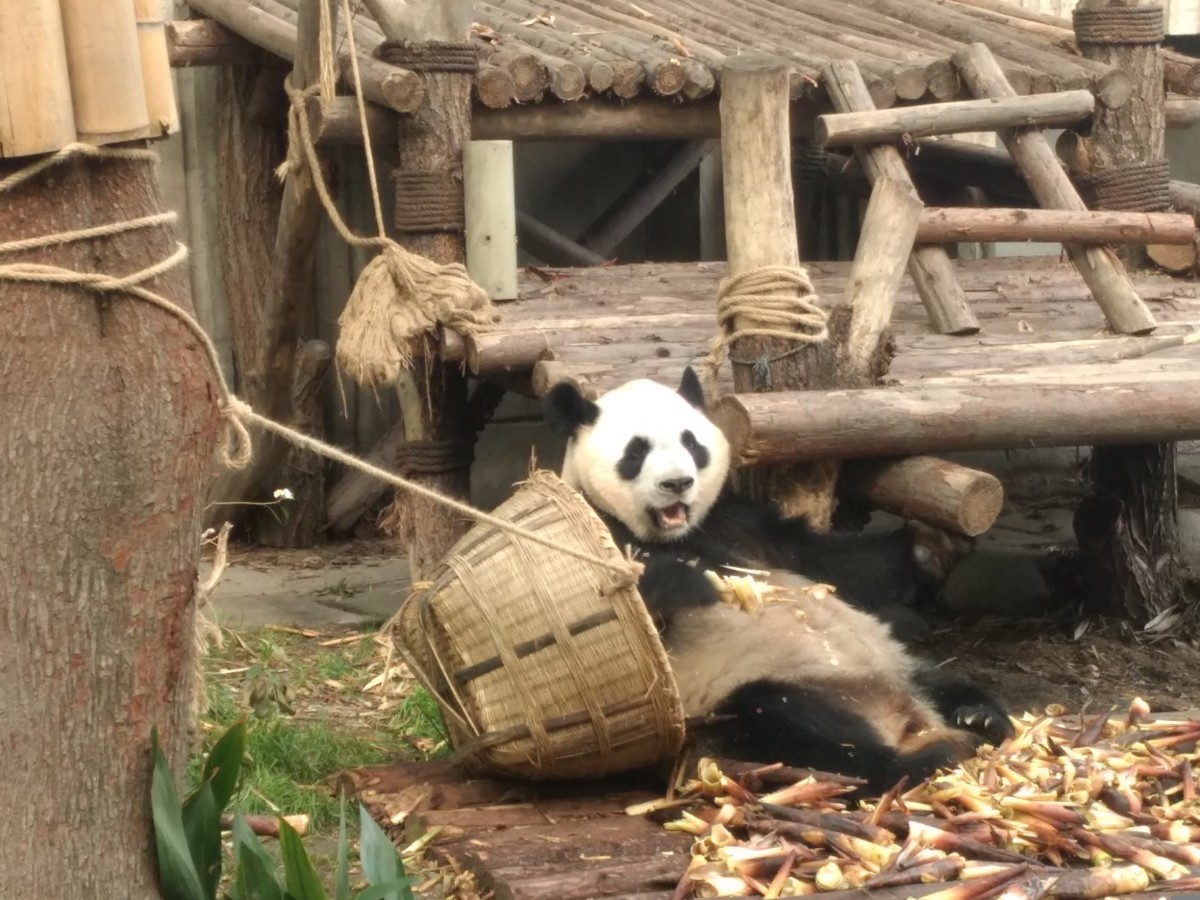
In Chengdu, the Sunshine Nursery for giant panda cubs has been completely renovated. New stainless steel structures, an improved sewer system, smart barriers, and visitor paths have transformed the giant panda nursery into a model of animal safety and welfare.
Sunshine Nursery, the "happy home" of panda cubs: the new facility
At the Sunshine Nursery at the Chengdu Research Base, panda cubs are free to climb, roll, and cause mischief. But their every step is protected by meticulously designed structures. The old structures have been transformed into a high-tech nursery. Reinforced stainless steel, anti-fall doors, a separate sewer system, cushioned floors, and redesigned scenic walkways ensure the safety of both "baby pandas" and their families. Keepers and visitors alike are also protected, minimizing the risk of accidents and illnesses.
A nursery designed for "naughty children"“
The Sunshine Nursery was created as the heart of giant panda breeding and breeding in Chengdu, with four functional areas: indoor rest areas, outdoor play pens, work areas for the keepers, and a dedicated visitor area. Here, the cubs are observed 24/7, but the new design aims to minimize structural risks. Visible sockets have been removed, the operating room and exhibition area have been clearly separated, and staff walkways have been created to avoid interference with the public.
To protect the more curious animals, the climbing areas have also been redesigned. Perches are high, but surrounded by soft surfaces with bark and safety bedding that absorbs impacts. This prevents a jump or fall from becoming an injury. The result is a "playroom" that simulates nature but meets pediatric hospital standards, where every detail—from the height of the structures to the distance from the fences—is calculated with the pandas' well-being in mind.
Stainless steel, drainage, and barriers: how to build safety
After more than twenty years of heavy use and constant disinfection, the nursery's old reinforcements had become thin and vulnerable. The renovation replaced them with massive 304 stainless steel structures, more resistant to water and chemicals. Designers added welded steel plates and additional anchor points to increase stability. The heavy swinging doors were also fitted with anti-fall buckles to stop them from swinging before they can hit a panda or a keeper.
At the same time, the entire sewer system has been redesigned. Wastewater no longer flows through the activity areas. Instead, it is diverted and disposed of via a separate route, reducing the risk of blockages and the spread of viruses. In effect, the nursery now has a true "hygienic defense line." Here, wastewater control becomes an integral part of preventing epidemics and protecting the young pandas' health.
Caretakers First: Life-Saving Devices and Procedures
Safety is not just about animals. Structural changes also take into account the keepers who work closely with pandas, often at night or in delicate situations such as childbirth. Among the most significant innovations is the introduction of a quick-release door locking system, operated with just one hand and in less than a second, capable of transforming a simple lock costing a few yuan into a crucial barrier against escapes or accidents.
These measures allow caregivers to move around in safer spaces while feeding, cleaning, or handling the cubs, reducing the risk of a sudden reaction from the panda endangering them. The goal is clear: to create an environment where daily care can be carried out peacefully, because a protected team works better and offers more attentive care to the little guests of the nursery.
Visitors and "safety code" for responsible meetings
The Sunshine Nursery's transformation also engages the public, with a completely redesigned outdoor scenic path. The distance from the enclosures has been increased to prevent objects from being thrown at the pandas, while hedges and green barriers act as visual and acoustic screens, reducing stress and noise. The message is simple: the best encounters arise from the right distance, one that allows observation without interfering.
Even the vegetation and perches near the fences are designed with safety in mind. Trees are pruned to prevent "bridges" to the outside, climbing structures are kept at least three meters from the fences, and periodic checks are performed to prevent any possibility of escape. In this way, the nursery becomes a model of responsible tourism, where visitors' curiosity translates into respect and support for conservation, without compromising the safety of people and animals.
Behind the scenes of national treasures
All this technical and invisible work will also be recounted in a series of micro-documentaries, "The People Behind the National Treasures." Every two weeks, it will take audiences inside the stories of the designers, veterinarians, and keepers who transformed the Sunshine Nursery into a laboratory of excellence for the future of giant pandas. For those who love these animals, watching the series means understanding that behind every cub sleeping peacefully behind glass are engineering choices, health protocols, and hundreds of small, daily decisions. Thus, the "happy home of naughty children" becomes a symbol of how China is investing not only in the image of pandas, but in building safe and complex environments that simultaneously protect national treasures, those who care for them, and those who visit them, transforming tenderness into lasting awareness.