






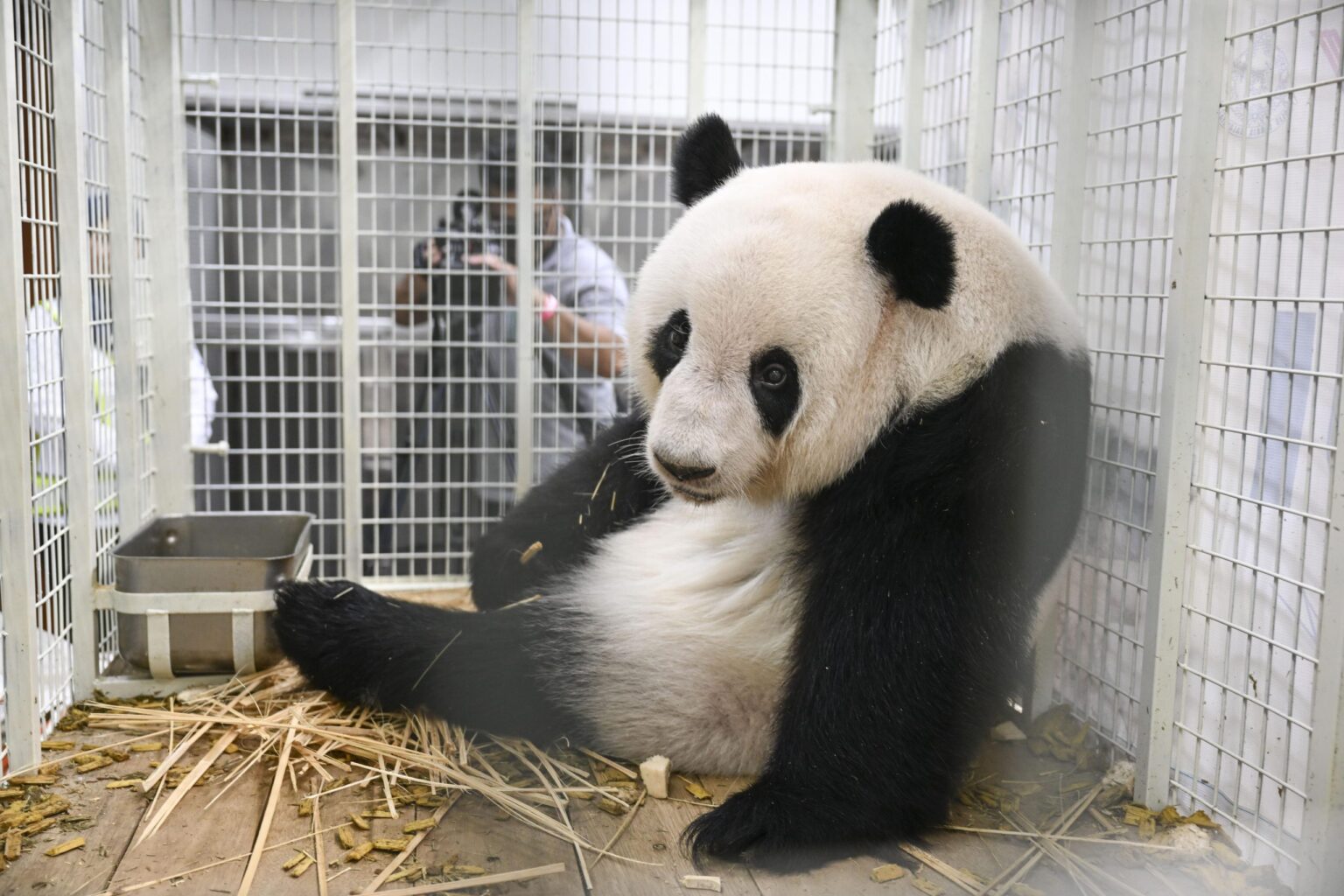
China's laws are among the strictest in the world for protecting the giant panda, with penalties ranging from life imprisonment to the death penalty for those who hunt or traffic this protected species. These regulations, enshrined in the Constitution and specific laws such as the 1988 Wildlife Protection Law, have helped double the wild population from fewer than 1,100 in the 1980s to approximately 1,800–1,900 today. Nature reserves, deforestation bans, and anti-smuggling protocols make the panda a symbol of concrete commitment, with minimum penalties of 10 years in prison for a single individual involved.
Chinese Giant Panda Protection Laws: A Historical Evolution
The protection of the giant panda was enshrined in the Chinese Constitution, with founding laws such as the Forest Law (1984), the Law on the Protection of Wildlife (1988), and the Environmental Protection Law (1989). In 1987, an amendment to the Criminal Law introduced harsh penalties: at least 10 years in prison for panda smugglers, with life imprisonment or capital punishment in serious cases, plus confiscation of assets.
- 1980s: Response to widespread poaching for fur and body parts.
- 1998: Ban on cutting down trees for profit in natural areas.
- 2007: Shaanxi regional law to protect the Qinling Mountains, a key habitat.
Penalties for hunting and smuggling
Anyone who illegally hunts, kills, buys, transports, or sells a giant panda faces prison sentences of up to 10 years, with fines or total confiscation of property. According to interpretations by the Chinese Supreme Court, one or more pandas are sufficient to constitute "particularly serious circumstances.".
Examples: in 2015, Three men tried for killing and selling 35 kg of panda meat.
You may also be interested in:
March 16, World Panda Day 2026
System of nature reserves
China has established 67 dedicated panda reserves, protecting 53.81 t of the habitat and 66.81 t of the wild population. The Giant Panda National Park (2020), with 27,134 km², integrates 67 protected areas. to safeguard biodiversity and ecological corridors.
- Reduction of agricultural activities for the regrowth of bamboo forests (+2,720 km² habitat since 2003).
- “Ecological red lines” to ban high-impact projects.
- “Umbrella species” protection: panda protection benefits other species.
Panda conservation in captivity and diplomacy
Pandas in captivity They are managed under international loans (CITES/ESA), but remain Chinese-owned. Centers like Chengdu coordinate breeding and reintroductions, supported by anti-commercialization laws.
- Ban on trade for non-scientific purposes.
- “Ambassadors of Peace”: Loans to global zoos strengthen diplomacy.
- Monitoring: Ecological assessments for all projects in reserves.
IUCN successes and downgrading
Thanks to the laws, the wild population increased from 1,114 (1980s) to 1,864 (2014 census), leading to its downgrading from "Endangered" to "Vulnerable" (IUCN). The government confirms: pandas remain "first-category protected.".
- Biodiversity: Programs extended to tigers and Asian elephants.
- Awards: WWF first partner organization (1979).
Challenges and future prospects
Despite progress, illegal deforestation (e.g., 1,300 hectares in Sichuan, 2015) and poaching persist, but strict laws and strengthened enforcement are limiting the damage. The plan for the world's largest national park system includes further protections for pandas.
- Enforcement: public trials and exemplary punishments.
- Sustainability: Human-Nature Harmony in the Qinling Mountains.
- Global: China leads conservation, with “distinctive” paths.