






When we talk about giant pandas, our minds immediately turn to their tender appearance and their characteristic bamboo-based diet. But few know that even the shape of their panda poop giant tells a fascinating story. In fact, it reveals precious details about their digestive system, on their diet and even on their health status.
What Shape Does Giant Panda Poop Look Like?: Everything You Need to Know
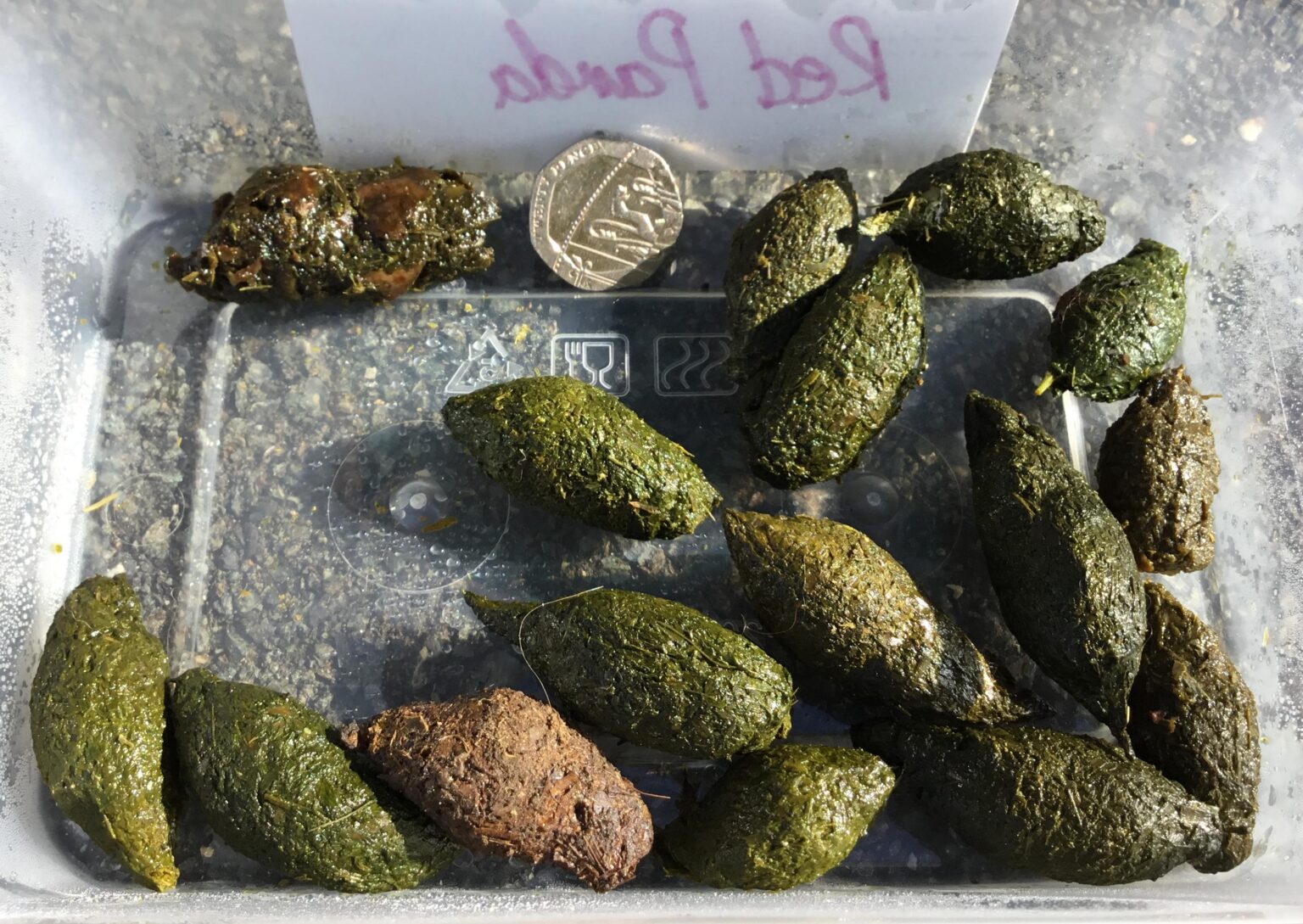
Panda poop giant It is easily recognizable. Its main characteristic is its cylindrical or fusiform shape, with one sharp tip and the other rounded, characteristics that facilitate easy expulsion. Their consistency and structure derive from the high quantity of undigested bamboo fibers, which the panda ingests in large quantities every day.
Color and diet-related variations
The panda poop color It changes depending on the part of the bamboo consumed:
- Sprouts: Light yellow and softer stools, due to high water content.
- Stems: bright yellow in color and compact in texture, rich in fiber.
- Leaves: greenish hues, the result of ingested chlorophyll.
These nuances help researchers understand what the panda ate and what season it is in.
Odor and chemical composition
Unlike many other animals, the panda poop It has a surprisingly faint and fresh smell, similar to freshly cut bamboo leaves. This is because pandas, despite being classified as anatomically carnivores, do not fully ferment bamboo in their intestines.
Their feces are mostly made up of raw fiber and unassimilated cellulose fragments, visible even to the naked eye.
An inefficient yet fascinating digestive system
The panda's digestive system It is rather short and inefficient. Food remains in the intestine for only 8-9 hours, and only the 17% in bamboo is actually digested. To compensate for this poor yield, each panda consumes up to 40 kilos of bamboo per day, producing approximately 15 kilos of feces daily. During periods of abundant sprouts, this quantity can rise up to 20 kilos.
You may also be interested in:
Giant Pandas, Weight Control: From Gut Microbiota to a Lesson for Humans
Giant Panda Poop: Sustainable Uses
Why studying panda poop is important
Analyzing panda feces — a discipline known as giant panda coprology —is a valuable source of information for biologists and conservationists.
From the analyses it is possible to deduce:
- quality and quantity of bamboo ingested;
- digestive efficiency;
- balance of the intestinal microbiota;
- health status and progress of the reproductive cycle.
Experts, in fact, often monitor hormone levels in feces to determine fertility and optimize fertility programs. captive breeding.
A natural indicator of panda health
In addition to its scientific value, the giant panda poop It is a key to understanding how this extraordinary species adapts to such a nutritionally poor diet. Each dropping tells, in a surprising way, the resilience of one of the animals that symbolize the wildlife conservation.