






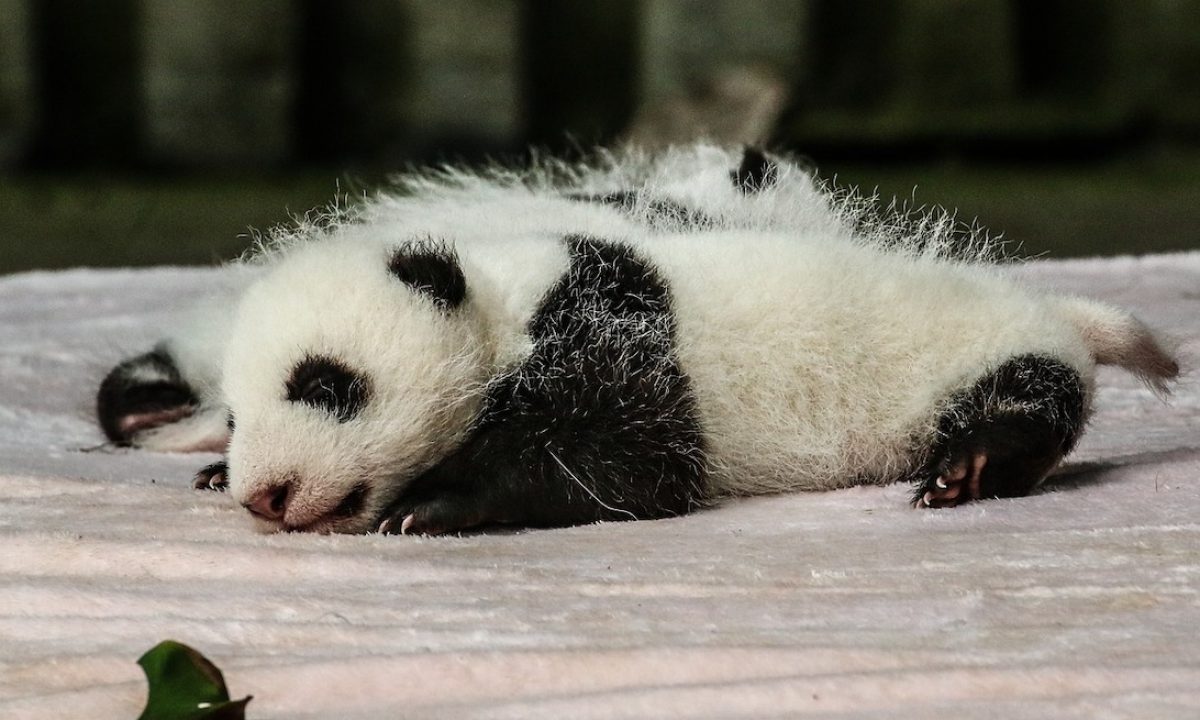
There is one ironclad rule in the world of giant pandas that few know. puppies born in the foreign zoos They must return to China 4-5 years after birth. This isn't a random choice by keepers, but an official protocol dictated by Beijing to save the species from inbreeding. At CiaoPanda.it, we take you behind the scenes of this scientific diplomacy, with true stories, precise data, and a definitive guide to witnessing these "returns" firsthand.
Panda cubs return to China after 4 years: the sacred rule
It all began in 1972, when China began lending panda couples to zoos around the world as a gesture of friendship—but with a strict contract. Adults are rented (1-1.5 million dollars a year), but every single puppy born abroad is the exclusive property of China from the day of its birth.. The National Forestry and Grassland Administration has established that the return of each puppy must take place within 4 years (Maximum 5 years in exceptional cases). No negotiations, no extensions. The process? A full six months of preparation: complete veterinary exams, genetic profiling, and initial training in transport cages. Then the air-conditioned cargo flight to Chengdu Tianfu Airport and, as per mandatory health protocol, a 30-60 day quarantine, before the public debut.
Why exactly 4 years? Science explains the reason.
Imagine it Chinese studbook, a gigantic genetic registry that functions like a DNA passport for over 700 captive pandas. Every family line, every cross is traced with surgical precision. Without new data on cubs born abroad, inbreeding—that marriage between cousins that weakens entire generations—would lead directly to the genetic collapse of the species. This is precisely why the biological clock is relentless.. Females become fertile at 4 years of age., males mature between 5-6.
This is their golden time to enter the breeding programs of the China Conservation and Research Center for the Giant Panda (CCRCGP), the scientific heart of panda salvation. And the results speak for themselves.. Since 2020, cub returns have dramatically increased captive births of 25%, with females born in other foreign zoos even exceeding 30%. Do the math. With approximately 1,900 individuals, each fertile cub returning can produce 5 to 10 offspring.
The Roadmap of Return: How a Panda Cub Returns Home
Month -6: Scientific preparations
Comprehensive exams: ultrasounds, viral tests, DNA sequencing. The puppies are trained in simulated cages with fresh bamboo daily.
Day D: Epic Journey
Dedicated cargo flight (12-20 hours Europe-China). Fixed temperature 16°C, 20kg of fresh bamboo + anti-stress frozen fruit.
Chengdu Tianfu landing: strict quarantine
Medical isolation management: tuberculosis, parasite, and virus testing. Duration: 30-60 days under 24/7 observation.
Release and Rebirth (Days 7-14)
95% resumes games (slides, balls) within 2 weeks. statistics are triumphant: 98% survival, 40% become parents.
True Stories: Puppies Who Changed History
Le Le – From Singapore to Sichuan (2024) She was born in 2021 at River Wonders and returned after 2 years and 9 months. She is now the mother of two cubs at CCRC Wolong.
Yuncong – San Diego Zoo (2024) He's exactly 5 years old and was transferred to Bifengxia. He's now an active sire, a precious American genetic line.
Huan Zao and Huan Bao – France Beauval (2025) Both returned after 4 years. Contribution: +3 births in their first year after returning to China.
Since 2020, over 50 returning pups have strengthened 18%'s gene pool.
| Cub | Zoo origin | Years Out | China's new role |
|---|---|---|---|
| The The | River Wonders (Singapore) | 2.9 | Mother Wolong |
| Yuncong | San Diego (USA) | 5 | Father Bifengxia |
| Huan Zao/Bao | Beauval (France) | 4 | Breeding Ya'an |
Economics and diplomacy
As we have already mentioned, panda cubs must return to China after 4-5 years from birth. China takes home approximately $50 million annually Just from panda loans to foreign zoos – a staggering sum that is reinvested 100% in nature reserves, anti-poaching rangers, and bamboo reforestation programs. Zoos abroad? They profit. unique attractions which generate thousands of visitors (and ticket sales), plus valuable scientific data on reproduction shared with Beijing. There is no absolute winner, but one international cooperation that works and continues for the conservation of the species. China controls the gene pool, zoos bring tourists, and the real beneficiaries are the pandas themselves. Concrete result? +30 new births in captivity each year, with the ambitious goal of 200 releases into the wild by 2030. It's panda diplomacy that saves a species.
Where to see them today: a practical guide for 2026
Panda cubs returning to China after 4-5 years from birth always end up in the three excellent sanctuaries in Sichuan:
Chengdu Panda BaseThe most touristy, it exhibits new arrivals 60 days after quarantine. Tickets are 58 RMB (7€), arrive at 8:30 am for the liveliest cubs.
Ya'an CCRC GP: the heart of breeding, where the “fresh returns” begin their new life.
Bifengxia Panda Valley: less crowded, perfect for observing natural behaviors.
| Sanctuary | Post-Reentry Visibility | Ticket | Top experience |
|---|---|---|---|
| Chengdu Base | 60 days | 58 RMB | Playful puppies |
| Ya'an CCRC | 30 days | 80 RMB | Active breeding |
| Bifengxia | 90 days | 100 RMB | Immersive nature |