






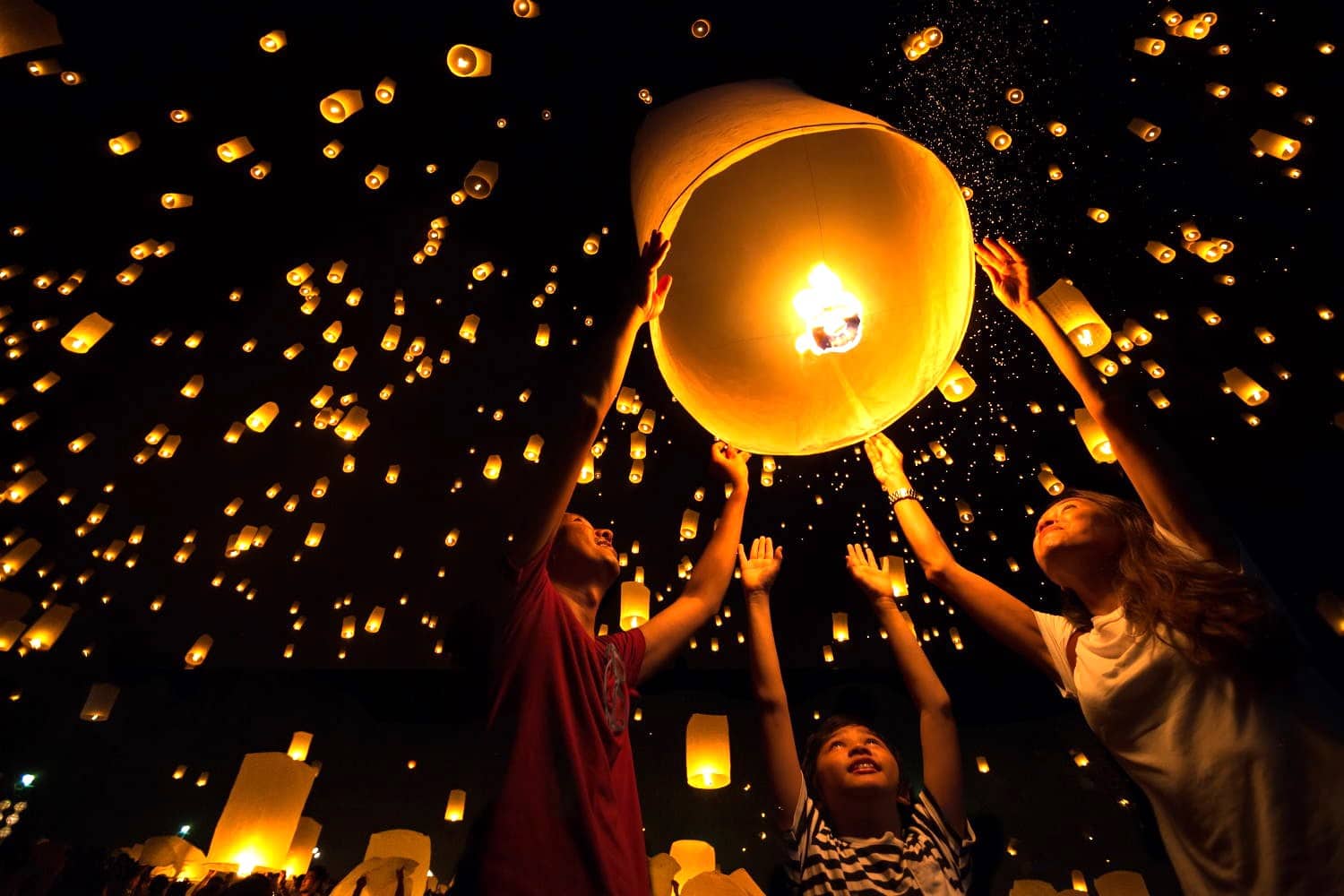
Today, March 3, 2026, we celebrate the Lantern Festival 2026, but let's take a step back and explain why this celebration is so important. The Lantern Festival, or Yuan Xiao Jie, dates back to the Western Han Dynasty (206 BC – 25 AD), celebrating the first full moon of the new lunar year and concluding the 15-day Chinese New Year. Influenced by Buddhism, Emperor Ming ordered the lighting of lanterns to honor Buddha, transforming a monastic ritual into a popular festival that spread throughout China during the Tang and Song dynasties. Today, March 3, 2026, marks this holiday in the lunar calendar, with cities illuminated as a symbol of hope and rebirth.
Lantern Festival 2026: Meaning and Cultural Importance
The 2026 Lantern Festival has a deep-rooted meaning and is a magical moment celebrating family unity, prosperity, and reconciliation, with thousands of glowing lanterns symbolically banishing the darkness of the past year to welcome light and good fortune. This tradition is essential for strengthening community bonds, paying homage to ancestors, and invoking good health, just as the fascinating legends tell of the Jade Emperor being tricked by lit red lanterns to ward off a disastrous divine fire. Today, in an increasingly interconnected and hyper-connected world, it promotes profound social and cultural harmony, celebrated across the globe to preserve and pass on ancient Chinese traditions with renewed vitality.
Main traditions and customs
During the Lantern Festival, families adorn their homes and streets with colorful paper or plastic lanterns, many of which conceal puzzles (cāi dēngmí) to be solved for small prizes. The streets come alive with acrobatic lion and dragon dances, stilt dancers, and spectacular fireworks that light up the night. There's also a ritual of symbolic food: in the North, yuanxiao are enjoyed, while in the South, tangyuan, sticky rice balls stuffed with sweet sesame, red beans, or dried fruit, boiled until they float to evoke family reunion (tuányuán), a perfect image of harmony and completeness. Finally, Kongming sky lanterns ascend to the sky, carrying personal wishes, and in iconic cities like Suzhou and Beijing, vibrant night markets come alive with river shows that enchant thousands of visitors.
| Tradition | Description | Meaning |
|---|---|---|
| Lanterns and puzzles | They hang lanterns with riddles | Intellect, luck and fun |
| Yuanxiao/Tangyuan | Round filled sweets | Family unity and prosperity |
| Lion/Dragon Dances | Acrobatic parades with drums | To ward off bad luck, to attract good fortune |
| Flying lanterns | Released with wishes | Hope and the connection between heaven and earth |
You may also be interested in:
Chinese Horoscope, Fire Horse 2026: Meaning and Start Date
Chinese Culture: Origins, Traditions, and Why You Should Know It Today
Celebrations today in China and Italy in 2026
In China, parks and temples transform into magical settings with gigantic lantern displays, such as the spectacular one in Ningxiang, which lights up 10,000 mountain-shaped lights, accompanied by lively Yangge dances that fill the air with rhythm and color. In Italy, the celebration also comes to life with evocative events: in Milan, Via Paolo Sarpi lights up in vibrant red, Florence hosts creative lantern workshops in Piazzale Michelangelo, and Prato organizes parades that blend Eastern traditions with local spirit. Today, March 3, 2026, we invite you to join the celebrations in Florence or Milan to immerse yourself in traditional dances, lucky Chinese knots, and DIY lantern-making workshops, a perfect symbol of the cultural bridge between Italy and China.
Iconic Legends
Among the most fascinating legends of the Lantern Festival is that of Dongfang Shuo, the immortal sage who saved the young Yuan-Xiao by faking a great fire with lit lanterns, allowing her to reunite with her family in a moving embrace of joy and relief. Another enchanting tale tells how the villages, united in their ingenuity, deceived the Jade Emperor by lighting red lanterns everywhere to appease his furious wrath after the death of his beloved celestial crane, thus saving the earth from divine punishment. These tales, steeped in Taoist and Buddhist folklore, celebrate human cunning, the value of family, and the triumphant power of light over evil, making the festival an eternal hymn to hope.