






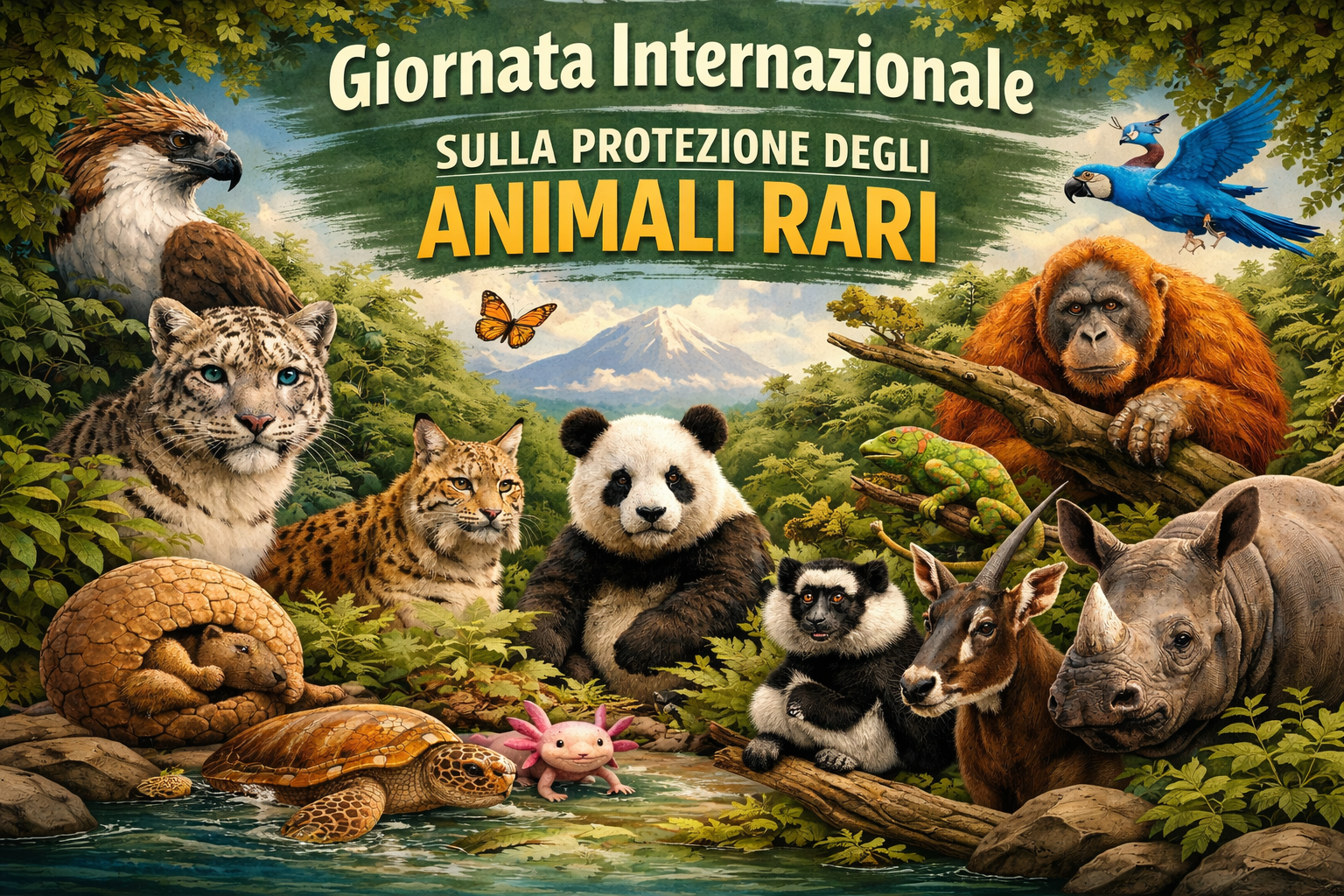
International Rare Animal Protection Day 2026, celebrated every April 8, represents an urgent global call to halt the disappearance of vulnerable species like giant pandas, a symbol of conservation and environmental diplomacy. Established by organizations such as WWF and IUCN (International Union for Conservation of Nature), this day is not only a commemorative event, but a call to action against the biodiversity crisis that threatens the planet's balance.
International Rare Animal Protection Day 2026: Why is it crucial for our future?
Protecting rare animals is not a luxury, but a vital necessity for human survival. Biodiversity—the sum of all interconnected life forms—provides essential services: pollination for the world's food crops, water purification, climate regulation, and medicines derived from plant and animal species. The loss of a rare species, like the northern white rhinoceros (with only two individuals remaining), creates a domino effect: ecosystems collapse, food chains are disrupted, and diseases spread more easily. According to the IUCN, over 44,000 species are at risk of extinction by 2026, with a rate of disappearance 1,000 times faster than natural, accelerated by deforestation (responsible for 12-15% of global CO2 emissions), poaching, and climate change. Protecting these animals means preserving the planet's resilience against disasters such as drought and pandemics. Therefore, the International Day for the Protection of Rare Animals 2026 is another important moment to raise public awareness.
Historical origins and evolution of the international day
The celebration began in the 1970s at the instigation of international environmentalists, and has evolved into a global movement coordinated by the UN and NGOs. It draws inspiration from the 1973 CITES Convention on Trade in Endangered Species and the IUCN Red List, the first scientific tool for monitoring extinction risks. Today, in 2026, it integrates issues such as the climate crisis and habitat loss, with an emphasis on "One Health"—the connection between animal, human, and environmental health. In Italy, the Ministry of the Environment and national parks such as Gran Paradiso have been promoting campaigns since 1980, linking them to endemic species such as the Alpine ibex.
Dates and celebrations in 2026
The highlight of the International Rare Animal Protection Day is April 8, 2026, but initiatives extend from March to October. In Italy, WWF organizes guided treks in Apennine reserves, Zoom webinars with experts, and interactive exhibitions in Rome and Milan—perfect for families and schools. Globally, China is celebrating with a focus on giant pandas at the Wolong Panda Center. Meanwhile, Africa is hosting anti-poaching safaris in Kenya. Virtual events on platforms like YouTube reach millions, with live broadcasts from sanctuaries like the sea turtle sanctuaries in Costa Rica. To participate, search "Rare Animal Day 2026 [your city]" for local events.
Species at risk: case studies and data
Among the undisputed stars of this day are giant pandas, which in 2016 moved from "endangered" to "vulnerable" status thanks to intensive breeding programs, but remain seriously threatened by habitat loss of 50% over the past 50 years. Let's not forget other top priorities such as tigers, of which just 3,900 remain after a decline of 95% since 1900; rhinos (approximately 27,000, relentlessly hunted for their horns); the marine vaquita with fewer than 10 individuals remaining; and koalas, in decline since 30% due to devastating fires. In Europe, species such as the Apennine wolf and the Marsican brown bear number only a few hundred. But these animals aren't just "cute." They play crucial roles regulating prey populations, dispersing essential seeds, and signaling the overall health of ecosystems. Without them, forests and soils risk total collapse, with irreparable consequences.
| Species | IUCN Status 2026 | Main threats | Estimated population |
|---|---|---|---|
| Giant Panda | Vulnerable | Deforestation, bamboo shortage | 1,800 wild animals |
| Tiger | In danger | Poaching, habitat fragmentation | 3.900 |
| White rhinoceros | Critically endangered | Illegal hunting | 27,000 total |
| Vaquita marina | Critically endangered | Fishing nets | <10 |
| Marsican brown bear | Vulnerable | Human crossbreeding, diseases | 50-60 |
The devastating impacts of biodiversity loss: science and numbers
Biodiversity functions as the Earth's essential "software." Every species, large or small, contributes ecosystem services worth as much as $125 trillion a year, according to World Bank estimates. When this wealth erodes, the consequences are devastating: think of famines caused by the disappearance of pollinators, which could cause a 30% collapse of global harvests; more frequent floods because destroyed mangroves no longer absorb CO2 as natural barriers; or zoonoses, or pandemics originating from wild animals forced into contact with humans. IPBES studies raise a dramatic alarm: if we don't change course, we could lose up to 1 million species by 2050. Protecting rare animals is not only a moral duty, but an investment in our future. By increasing public awareness and changing the way we live, we can do so. mindset, we will be able to make future generations aware of the importance of protecting animals and the earth.
You may also be interested in:
Concrete and practical actions to contribute to biodiversity:
You can change the world starting with yourself, with concrete and measurable actions that make a difference every day. Start by choosing sustainable options: boycott palm oil, which is responsible for massive deforestation, prefer shade-grown coffee to preserve natural habitats, and opt for ethical tourism that doesn't exploit animals or fragile ecosystems. On the digital activism front, raise your voice using hashtags like #ProteggiAnimaliRari on Instagram and TikTok to reach millions, and sign petitions on Change.org to strengthen the CITES Convention against the illegal trade of protected species. In your daily life, drastically reduce single-use plastic—which kills a million seabirds every year—plant native species in your garden to promote local biodiversity, and support anti-poaching laws by contacting your representatives.
Take direct action by volunteering. Join beach cleanups to clean up oceans or contribute to citizen science monitoring using apps like iNaturalist, helping scientists map rare species in real time. Choose walking over driving. Businesses and governments are encouraged to invest in green corridors that connect fragmented habitats and ex-situ breeding programs to save species on the brink of extinction. Success stories like the return of giant tortoises to the Galapagos demonstrate that collective action really works. Every step counts for a vibrant future.