






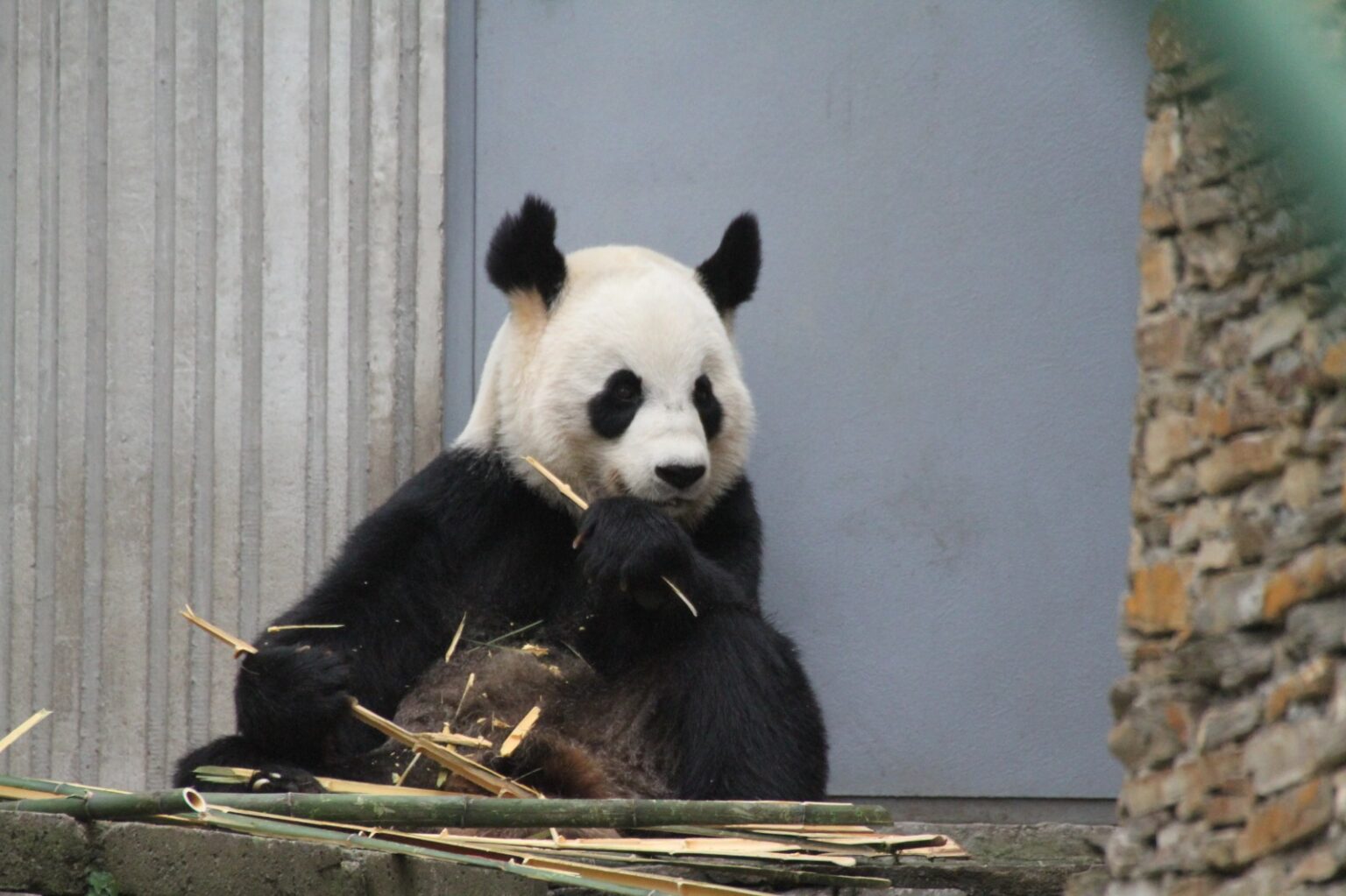
Giant panda Duo Duo returned from Linhu Guse Giant Panda Theme Park in Inner Mongolia to the Ya'an base of the China Conservation and Research Center for the Giant Panda (CCRCGP) in Sichuan, China, on March 11, 2026. This transfer reflects standard Chinese centralized management practices, focusing on animal welfare and genetic optimization.
Panda Duo Duo returned to China in March 2026: here's why
On March 11, 2026, giant panda Duo Duo left the Linhu Guse Giant Panda Theme Park in Ulanqab, Inner Mongolia, for the Ya'an base in Sichuan, China, one of the CCRCGP's key facilities. A detailed official reason has not been released, but it is part of the internal rotations China uses to centralize the monitoring and welfare of the protected species. Such transfers typically occur to secure specialized environments after stints in tourist parks. Duo Duo, known to fans for his presence in Inner Mongolia with three other pandas, was a local attraction in an untraditional area for the species. His return to Ya'an—the heart of panda conservation—provides access to advanced veterinary teams and optimized enclosures.
Reasons for the transfer
There is no specific public statement on the "reasons" for Duo Duo's relocation. But Chinese practices point to reasons related to welfare, health, and genetic planning. Pandas are returned to central bases like Ya'an for:
- Strict health checks and post-travel quarantines
- Inclusion in breeding programs, evaluating genetic compatibility.
- Quieter environments than parks with high tourist traffic.
Ya'an offers superior infrastructure for these purposes, similar on recent returns from Japan and other sites. This centralized approach reduces risks and maximizes the survival of the captive population.
Conservation context
The case of Duo Duo fits perfectly into a much broader and more complex Chinese strategy for managing giant pandas. While some individuals are returning to their national bases—such as the last two that left Japan in early 2026—China continues to negotiate and send new pairs abroad, such as the ten-year agreement for the Munich Zoo. These movements are not random. They serve to carefully balance the interests of tourism, which attracts millions of visitors, scientific research into the species' behavior and genetics, and so-called "panda diplomacy," where these iconic animals serve as cultural ambassadors to strengthen international ties.
In recent months, worrying episodes like the deaths that have occurred recently In some facilities, they have further pushed authorities to impose more uniform health and management standards across the entire network. This is where Ya'an comes in. Thanks to her central role at the China Conservation and Research Center for the Giant Panda (CCRCGP), she is at the fulcrum of these efforts. She coordinates both ex situ conservation, with pandas in captivity under constant monitoring, and the delicate reintroduction programs into the wild, for a sustainable future for the species.