






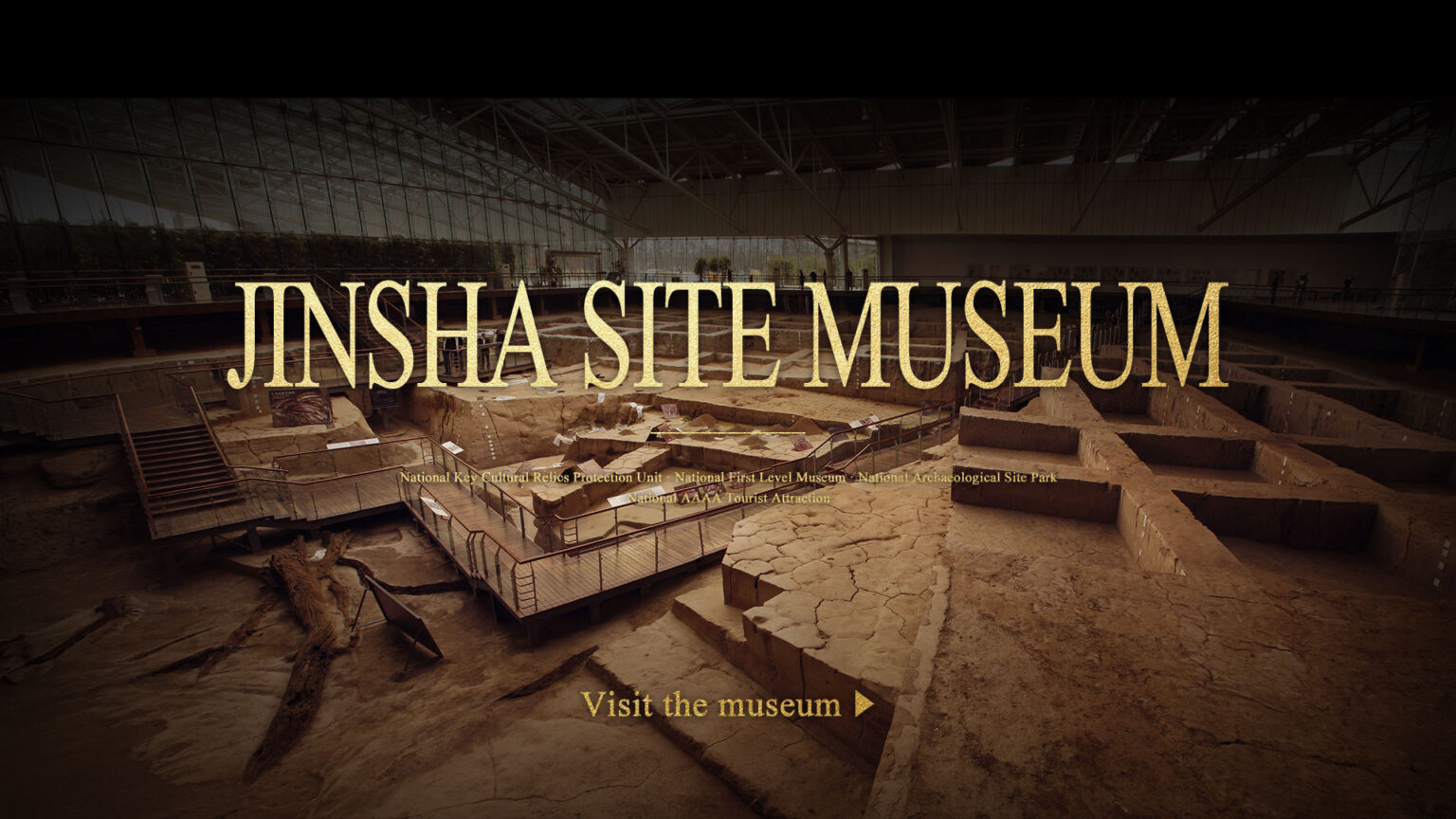
Filmed at the ancient site of Jin Sha, the series focuses on a spectacular tale of history, sacred symbols, and panda cubs in China.
In Sichuan, southwest China, the Jin Sha archaeological site has returned to the spotlight thanks to the start of filming for a new period drama set among the remnants of this ancient civilization. The setting, rich in historical and visual inspiration, promises to transform the past into a powerful television narrative. Jin Sha, also known as the "Golden Sands," is one of the most fascinating sites in Chinese archaeology: flourishing around 1000 BC, it holds a wealth of precious artifacts, including masks, decorations, and gold objects that have fueled its fascination over time.
Jin Sha, the Chinese series filmed in China that combines pandas and archaeology to strengthen the story
Making the production even more unusual is the inclusion of panda cubs in the cast. Director Chen Chen explained that these animals weren't just included to wow audiences, but because they're considered sacred symbols in Chinese culture and appear at key moments in the story. The choice of pandas adds a strong emotional and visual element, capable of appealing to both those seeking content on Chinese archaeology and those who follow giant pandas and television productions set in China.
Production adapted to animal welfare
The presence of the pandas required meticulous behind-the-scenes organization. The experts adjusted work shifts to respect the animals' rhythms, avoiding stress and ensuring optimal health and tranquility. This attention to well-being also enhances the production's value from a communication perspective: the series aims to build a strong visual imagery without sacrificing respect for the animals involved.
A site that recalls Sanxingdui
Interest in Jin Sha is also growing due to its similarities with Sanxingdui, another major name in Sichuan archaeology. Both sites offer crucial clues to the region's ancient civilizations and represent a cultural heritage of enormous value to China and international audiences. The series exploits this connection between mystery, archaeology, and cultural identity, transforming a historic site into a narrative setting capable of attracting media attention and organic traffic.