






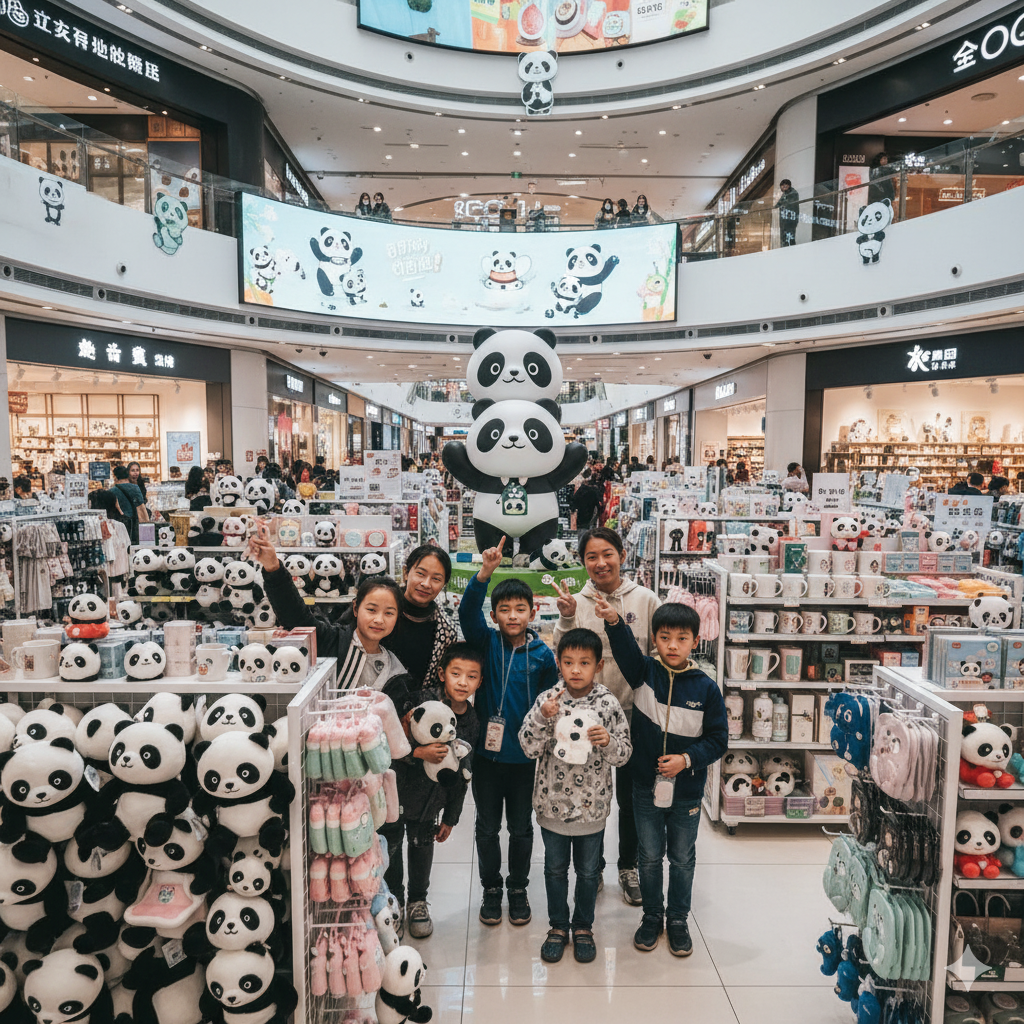
The giant panda It is not only a vulnerable species, but a real National Treasure of China and, if I may, of the whole world. The very tender little bear brings joy to humanity and serves as a flag species for the conservation of global biodiversity. An unmistakable symbol of the WWF for over 50 years. This immense emotional and symbolic charge has allowed the panda to transcend the boundaries of nature reserves, becoming – consequently – the basis of an important merchandising phenomenon and a pillar of the Chinese popular culture.
The Giant Panda and the Merchandising Phenomenon: The Chengdu Research Base's Branding Strategy
The institution that has always had at heart the popularity of the panda for conservation and cultural purposes is undoubtedly the Chengdu Research Base of Giant Panda Breeding (Panda Base). The facility is located in Sichuan and the very famous Base is recognized worldwide for its conservation ex situ and more. Also for scientific research and education, actively engaging in disseminating and raising public awareness regarding the importance of conserving the species. Efforts to integrate the image of the panda into popular culture and merchandising are evident in several of the Base's initiatives. In particular those managed by the Department for the Development of Culture and Tourism:
- Iconic products and souvenirs: Shops and kiosks at the base offer visitors the chance to "take home a giant panda." These items serve to commemorate "the beauty of life and nature." Cultural and creative items related to environmental protection are regularly distributed during science outreach activities.
- The “Super Q Band” project: As early as 2008, Chengdu Base launched the concept of “Super Q Band”, a musical group of five 3D virtual pandas, accompanied by a launch ceremony for the Super Q panda doll. The success of toys like Super Q's has demonstrated that it is possible to successfully combine public education with research and conservation programs.
- Media and Entertainment: The Base Art Troupe is dedicated to improving and spreading the giant panda culture brand through art. They have produced representative works such as musicals Panda Teahouse (2018) and Panda Fairy Tale (2019), and participated in the CCTV Network Spring Festival Gala with works such as Pandas' New Year Greeting e Happiness of Plump Pandas.
- Publishing and Dissemination: The Base publishes the bilingual illustrated magazine (Giant Panda) to promote scientific knowledge and culture related to giant pandas. Illustrated children's books are also produced to spread environmental protection messages through engaging stories.
These efforts, described as adding “value to the giant panda’s cultural brand,” not only generate revenue but also extend the species’ international influence.

Adidas and Dorophy Tang pay homage to the giant panda: an exclusive capsule collection
Japan publishes photo book marking 30 years of research into giant panda breeding.
Panda on 2025 coins: People's Bank of China launches commemorative series
Hong Kong Post launches special stamps featuring giant panda twins and cultural themes for 2025
Robot pandas in Wulong: debut on May 1st
Panda Stars and the Viral Explosion: The Case of Director Hua Hua
In recent years, both the popularity and the merchandising phenomenon of the giant panda have been amplified exponentially thanks to social media, transforming specific specimens into true viral celebrities. Hua Hua, a female giant panda born in July 2020 at the Chengdu Panda Base, is an emblematic example of this phenomenon in China:
- Fame on Weibo and TikTok: Her popularity has grown dramatically on Chinese social media. The hashtag dedicated to her on Weibo has reached almost 1.6 billion interactions, with millions of views on platforms like TikTok.
- Distinguishing features: Hua Hua is loved for her unique appearance, including a body shape sturdy and clumsy, a slow, iconic walk and dark spots around her eyes resembling spilled tears, giving her a sweet expression.
- Human connection: a crucial element of his success is the special relationship with his keeper, affectionately known as “Grandpa Tan,” whose affectionate interactions have won over millions of users online.
- Economic and tourist impact: Its fame has translated into a significant impact on local tourism. During the 2023 May Day holiday, the Chengdu Base recorded approximately 264,000 visitors, making it one of the most popular destinations in the country. Recognizing its value, the sweet panda has been named Honorary Director of the Chengdu Bureau of Culture and Tourism in April 2024.
Another celebrity whose popularity has driven significant sales of merchandising (such as stuffed animals, clothing and accessories) is Fu Bao. The latter is the first giant panda born in South Korea (also from Sichuan). Her videos have accumulated about 500 million views on YouTube.

Merchandising for conservation purposes
The merchandising phenomenon is a consequence of the giant panda's great popularity and global appeal. It is closely linked to conservation efforts China's Panda Base, committed to maintaining the largest population ex situ of captive pandas in the world (which reached 237 individuals by the end of 2022), actively encourages financial support from all sectors of society. Adoption and merchandising panda-themed donations are an essential funding stream for the cause.
For example, the Base has received significant corporate adoption. For example, the panda Pan Pan (adopted by Pan Pan Security Door Company) and Fun Fun (adopted by BURTON SNOWBOARDS). These collaborations demonstrate how the giant panda brand be used to promote the wildlife protection and stimulate public participation. In essence, the image of the giant panda has evolved from an endangered species to a cultural symbol, and its merchandising It acts as a crucial mechanism that links public affection to the conservation mission.