







Caring for the health of giant pandas is a serious matter, whether those living in zoos or those roaming free in the wild. And precisely for this reason, at the heart of the Chengdu Research Base of Giant Panda Breeding, there is a special place: the Giant Panda Hospital. The facility was established in 2006. This place is not just a simple clinic, but a truly cutting-edge center dedicated to the well-being of these animals, who are a symbol for the entire species and for humanity.
The Giant Panda Hospital: The Specialized Rooms
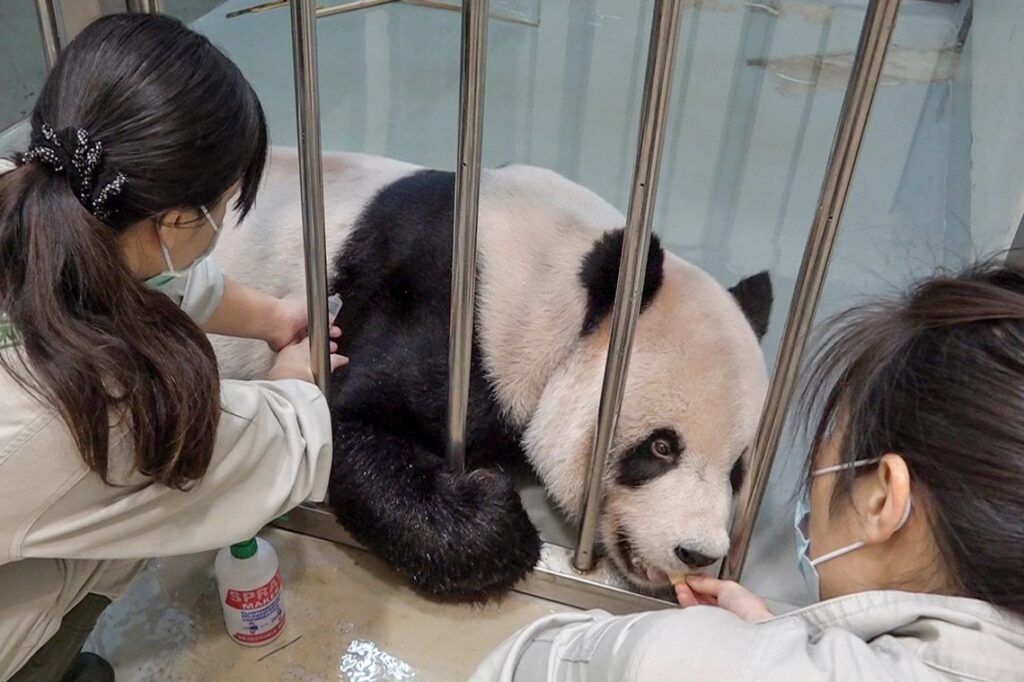
This hospital doesn't just treat sick pandas. It's also a place where their health is studied in depth, trying to understand better the diseases that affect them. In short, a fundamental place for research on these gentle giants. Inside, the giant panda hospital is organized like a real hospital, but tailored to the species. There are several specialized rooms: one to assess the extent of the illness, one to monitor them, one where they are treated, an operating room for the most delicate procedures, a room to determine the cause of death, and even a pharmacy with all the necessary medications for every type of problem. Each room is equipped with modern medical equipment, and there is always expert staff ready to address any problem. To keep giant pandas healthy, it is crucial to monitor them continuously. This helps prevent illnesses or treat them immediately if they appear. And when a panda needs to be put to sleep, it is no simple matter. You need to know exactly how to do it, because their anatomy is somewhat different from ours.
Read also: Reproduction of the giant panda
The diseases
The Chengdu Research Base of Giant Panda Breeding is also deeply committed to saving wild pandas in need. They study how to prevent and treat numerous diseases, such as those caused by parasites, hemorrhagic enteritis (a serious intestinal infection), and viral myocarditis (a heart problem caused by a virus). Veterinarians at the hospital regularly examine all pandas, both those born in captivity and those found in the wild. They make precise diagnoses and provide each panda with the appropriate treatment. The most common illnesses among pandas often involve the stomach and lungs, but they can also be caused by nerve problems, parasites, or skin conditions. The hospital is also equipped to perform surgery if necessary, for example, if a panda has something blocking its intestinal tract or if it has been injured.
Veterinarians once performed a true miracle: they removed eight enormous lumps of feces from the intestines of a panda named Nan Nan. The feces weighed nearly three kilograms in total. This operation was a resounding success, demonstrating the skill of the veterinarians at the giant panda hospital, even in seemingly difficult situations. The facility also has very specific rules for emergencies. Doctors follow a precise protocol should a panda become ill, or be poisoned, or in any other dangerous situation. They have an emergency room with all the necessary medicines and first aid, special stretchers for transporting pandas, and everything else needed to provide immediate assistance.
The importance of studying giant panda pathologies
But this hospital isn't just a place of care. It's also a research center. Here, veterinarians and scientists work together to fully understand all the giant panda diseases and to find new methods to prevent and treat them. Their research is published in scientific journals, and sometimes even leads to patents on new discoveries. All this demonstrates how unconditional and essential their commitment is to providing pandas with the best possible care. Finally, the hospital plays a fundamental role in saving and treating sick or injured wild pandas. After receiving all the necessary care, the pandas are often returned to their natural environment. In this way, the hospital's medical staff also contributes to the conservation of the species. The panda hospital, however, is a true refuge for their health and well-being. A place where passion for these animals, the professionalism of the veterinarians, and compassion come together to give these incredible giants a more peaceful future. A place where they are cared for with all their heart, just as we would a member of our own family.