






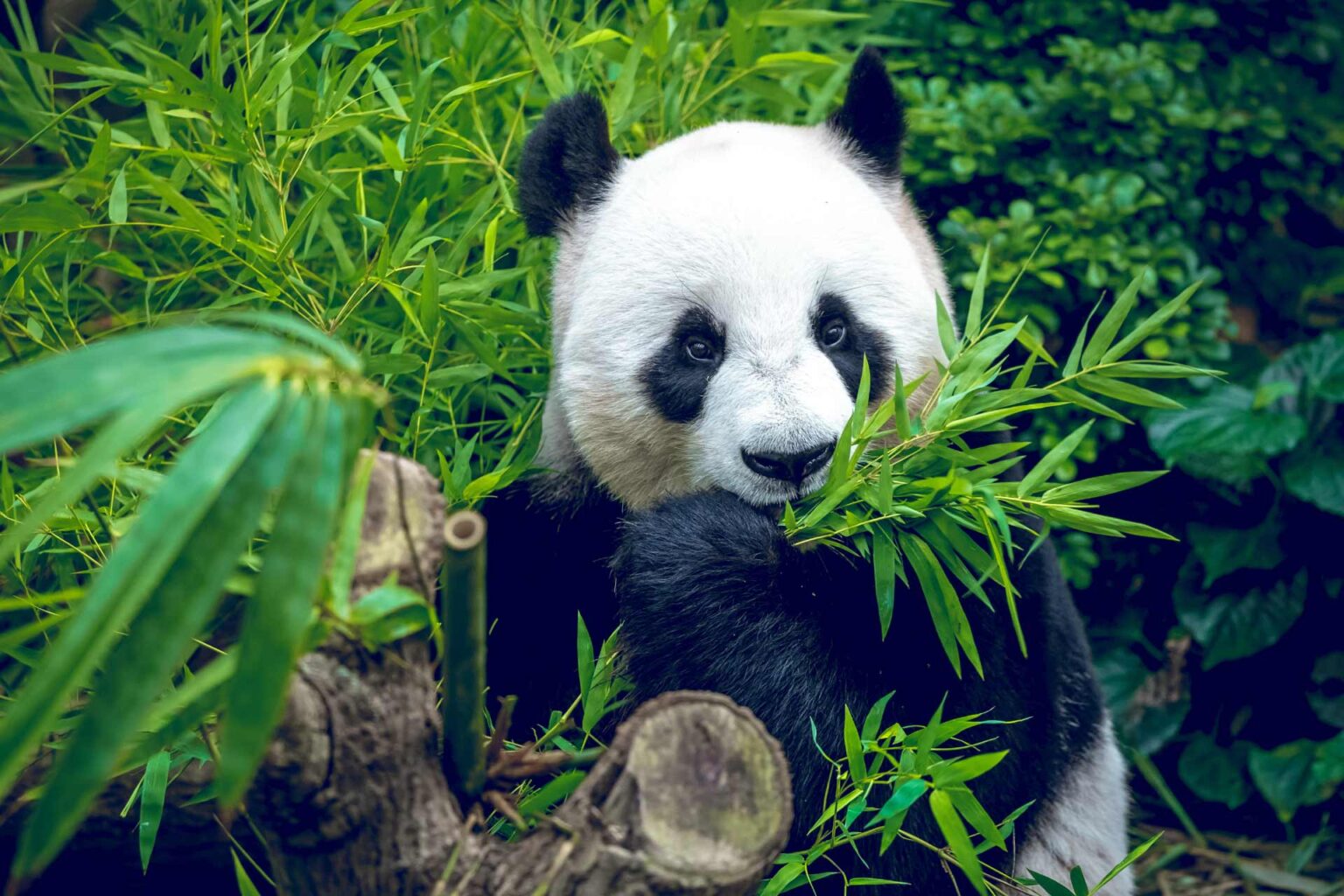
The feces of a giant panda They can be used sustainably and faithfully reflect what they eat, changing shape, color, and odor. Typically spindle-shaped, they appear yellow when the panda feeds on bamboo stems, thanks to their fibrous content. On a diet of leaves, they turn dark green, while the shoots—rich in water—produce softer, more fragrant feces. When fresh, they always give off a faint bamboo scent, much more delicate than that of carnivorous animals, since bamboo makes up most of their diet. This natural indicator helps keepers in conservation centers monitor daily intake: a panda consumes 10–18 kg per day to compensate for a nutrient absorption of just 17%. Did you know that a panda defecates up to 50–100 times a day? Or that feces helps map habitats?
Giant Panda Poop, Sustainable Uses, and Digestion: Green Balls and Mucusy Stools
Although giant pandas are classified as carnivores, as I've mentioned in other articles, their anatomy says otherwise. They have a short, simple intestine, virtually incapable of breaking down the rough fibers of the bamboo that dominates their menu. The cuddly little bears eat repetitively, but 99% ends up passing right through, giving rise to those iconic “green balls,” known in Chinese as “qingtuan.”. And then there's the fascinating twist of "mucous feces." The intestines secrete a protective layer of mucus to defend themselves from the abrasions of those stubborn fibers. If for some reason bamboo is scarce and snacks like apples are introduced, that mucus begins to accumulate, leading to lethargy and a poor appetite. But once it's all expelled, the animal reverts to its usual clumsy gluttony—a clear lesson on the riskiness of improvising with the diet of these natural treasures.
Scientific and sustainable applications of panda feces
And what about panda feces? It's not just about simple biology. It's a veritable goldmine for scientific research and sustainable uses. By analyzing these samples, experts map the gut microbiota to monitor the health of each individual, and in field censuses, they use dietary patterns to estimate wild populations—essential work in Chinese centers, where they monitor daily habits and well-being.
But the story gets even greener. Once processed, this feces is transformed into eco-friendly paper (think of the tissues already on the market in China), highly effective organic fertilizer, or breathable plant soil. It's a virtuous cycle that links conservation and zero waste, cutting waste right at research facilities and adding a sustainable touch to the fight to save pandas.