






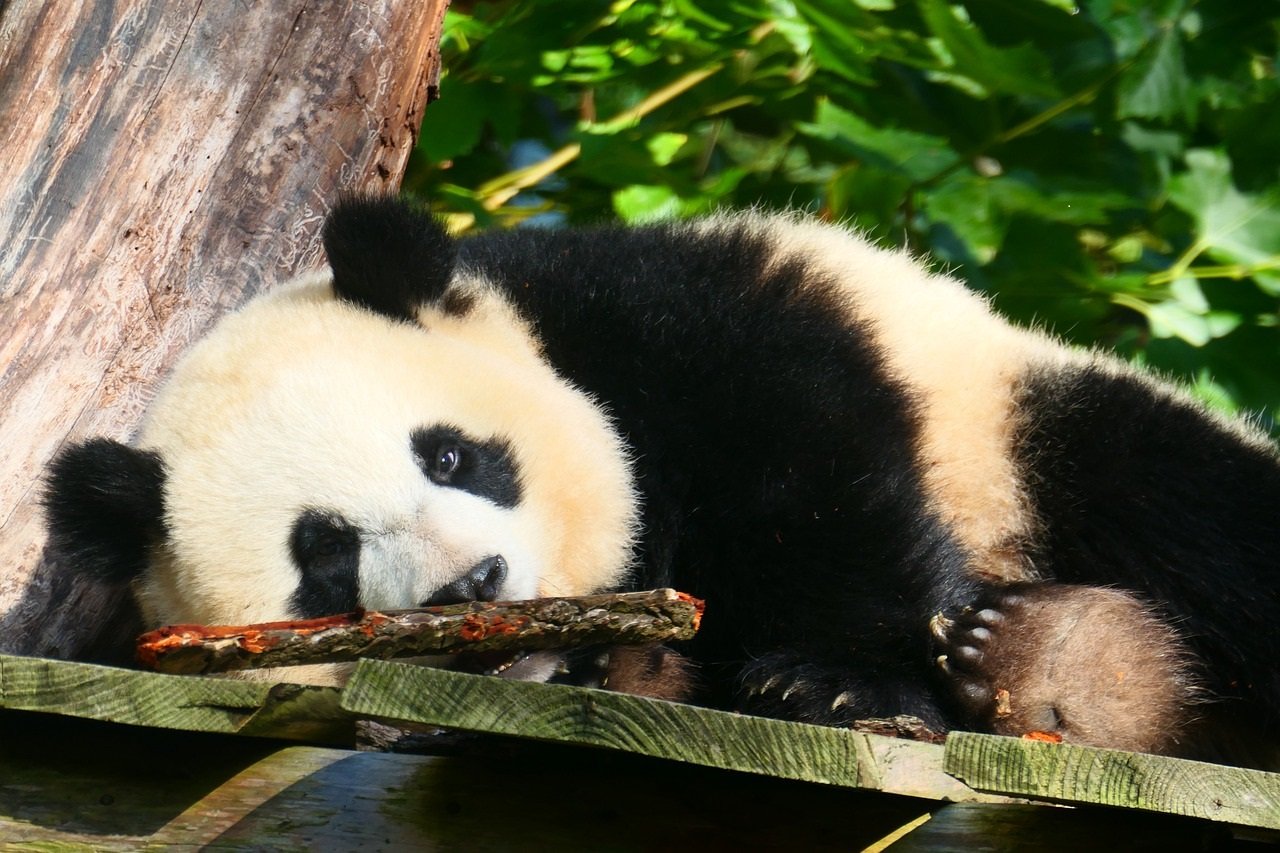
Good news comes from China on the front of biodiversity conservation: the population of the giant panda (Ailuropoda melanoleuca), world icon of the WWF, is growing. After decades of efforts, its population has reached over 1,800 individuals in nature, according to the most recent estimates. A milestone that has led the’IUCN in 2016 to reclassify the species from “Endangered” to “Vulnerable”, marking a historic step in the protection of wildlife.
Giant Pandas and Poaching: The Rebirth of a Protected Species
Giant panda, a symbol of biodiversity, growing population: ecological connectivity and environmental conservation
The giant panda lives mainly in the Sichuan bamboo forests, Shaanxi and Gansu, a fragile habitat but essential for its survival. The positive results are the fruit of an integrated plan that includes the creation of nature reserves, captive breeding programs, the fight against poaching and interventions ecological restoration. However, the road is not yet downhill. The main threats remain the habitat loss and fragmentation, The climate change and the low genetic diversity. The construction of infrastructures and urbanization, in fact, continue to isolate populations and reduce genetic exchanges, with consequences on fertility and the survival of newborns.
A study published in 2024, however, highlighted an encouraging element. The improvement in ecological connectivity In some key areas, it has fostered the species' resilience. This confirms that investing in habitat restoration and engaging local communities is the winning strategy for ensuring the giant panda's future. The panda, a timeless symbol of environmental conservation, remains vulnerable, but its recovery demonstrates that cooperation between institutions, science, and citizens can truly reverse the decline of endangered species. Continuing on this path will be crucial to maintaining this extraordinary path of global biodiversity rebirth. In any case, public awareness must continue to be raised to understand the value of this species.