






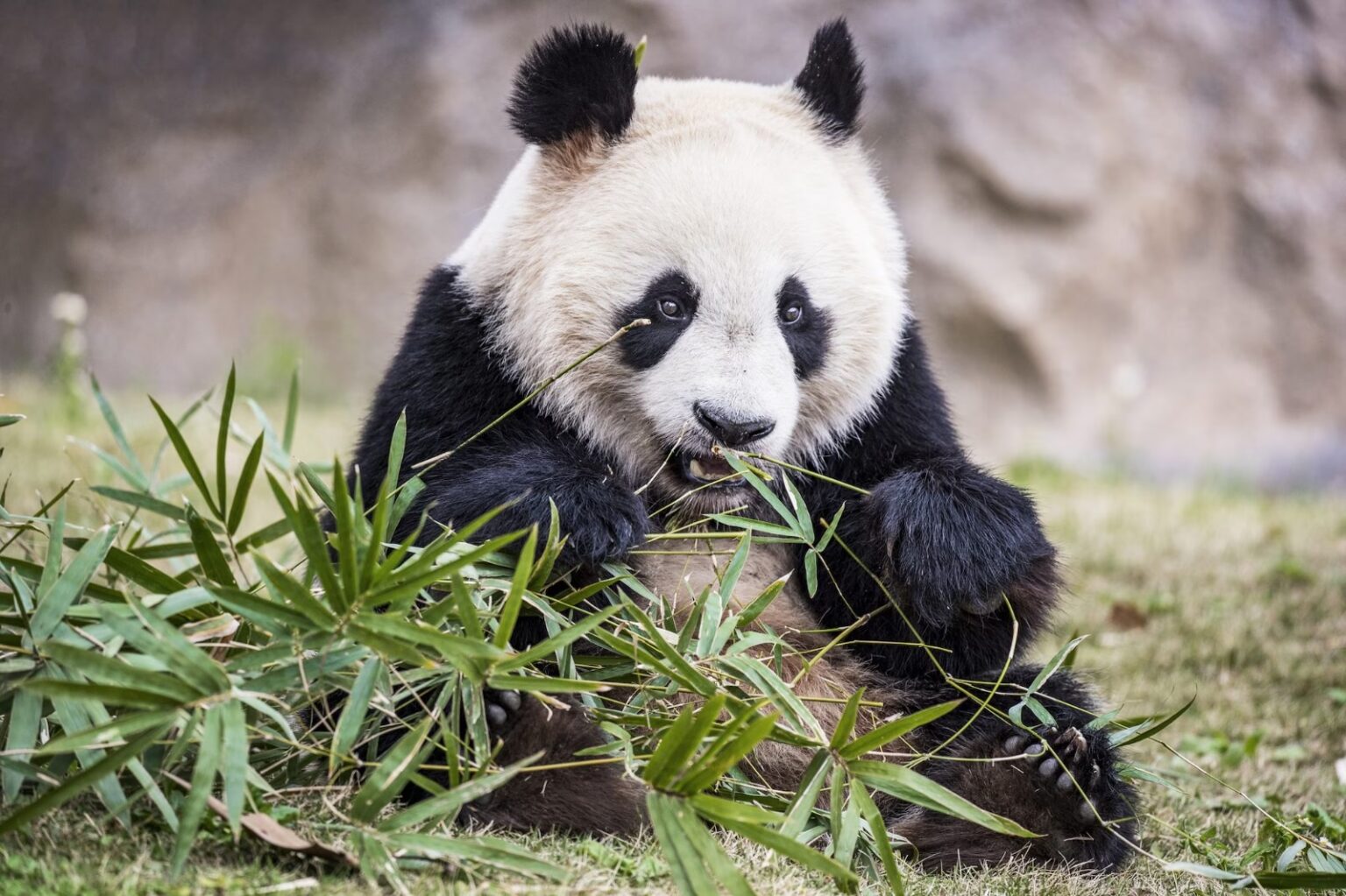
The giant panda is one of the most beloved and photographed animals in the world, but few people consider one of its most fascinating biological curiosities. What Giant Panda Poop Looks Like and Fun Facts related to this topic. Study how they are made Panda feces is a fundamental practice in the conservation of the species and it also offers many ideas for involving children in learning about nature.
Giant panda poop: how to tell it apart
The curiosities surrounding giant panda poop are truly incredible. It is characterized by an oval or spindle-shaped shape, with a pointed end pointing in the direction of movement. This is an important detail that explains why panda feces are stringy and roll easily, making defecation easier. What does giant panda poop smell like? Surprisingly, it's very mild, almost pleasant, and vegetal, because bamboo—the panda's main food—doesn't fully ferment in the digestive tract.
You may also be interested in:
Do panda cubs eat poop? Truths and myths about their behavior.
How much poop does the giant panda produce per day?
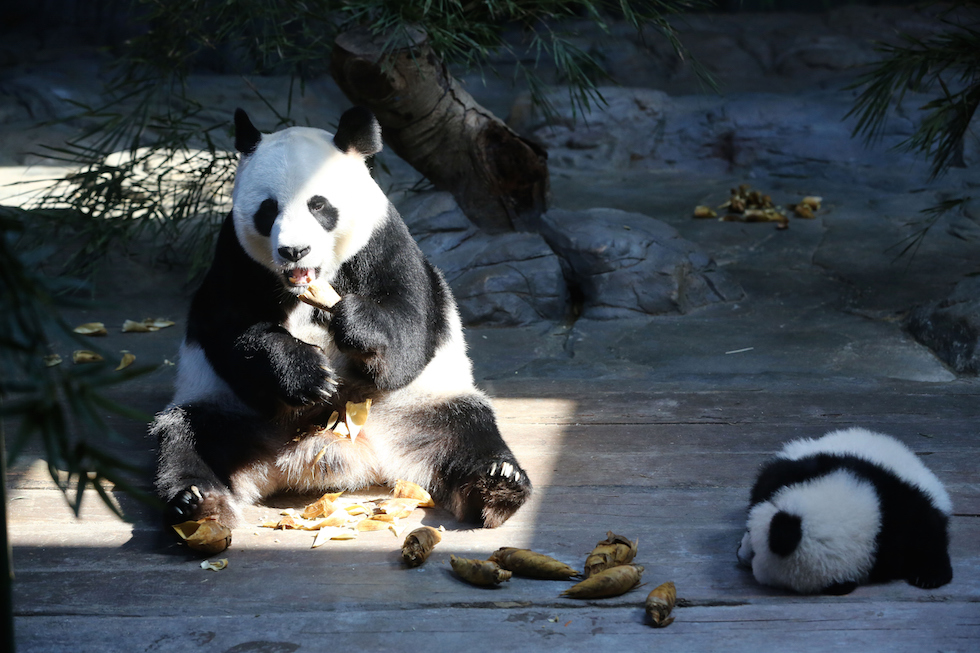
The color and quantity of giant panda poop varies depending on its diet. If the panda eats mostly bamboo shoots, its feces will be light yellow and loose; if bamboo stalks are eaten, they become firmer and bright yellow. Bamboo leaves, on the other hand, produce a greenish poop thanks to their chlorophyll content. On average, how much poop does an adult panda produce? Up to 15 kg per day, but during periods of abundant shoots, this amount can rise to 20 kg. This is unique among mammals!
But why is the panda's digestion inefficient? The panda's digestive system and the resulting fibrous waste products result from its inability to completely break down bamboo cellulose. Only the 17% of what it eats is actually absorbed. This explains the enormous amount of feces produced and also why the giant panda's poop is composed primarily of fibers, visible to the naked eye as small pieces of bamboo.
Expert analysis
Faecal analysis of giant pandas is essential for researchers. By studying poop composition, reproductive hormones, and fiber levels, scientists can monitor the panda's diet, compare differences between panda feces and those of other herbivores, and gain valuable insights into the health of the gut microbiota. These analyses are crucial not only to aid the survival of the species, but also as an educational tool to explain to children the purpose of studying panda feces.
In conclusion, giant panda poop is a true "calling card" of its biology: its smell, color, quantity, and composition reveal everything about the animal, its diet, and its survival strategies in the wild. Discovering these curiosities about panda poop means immersing yourself in the extraordinary world of one of Earth's most incredible creatures, and provides perfect content for those who want to discuss the environment, education, and biodiversity conservation in an original and engaging way.