






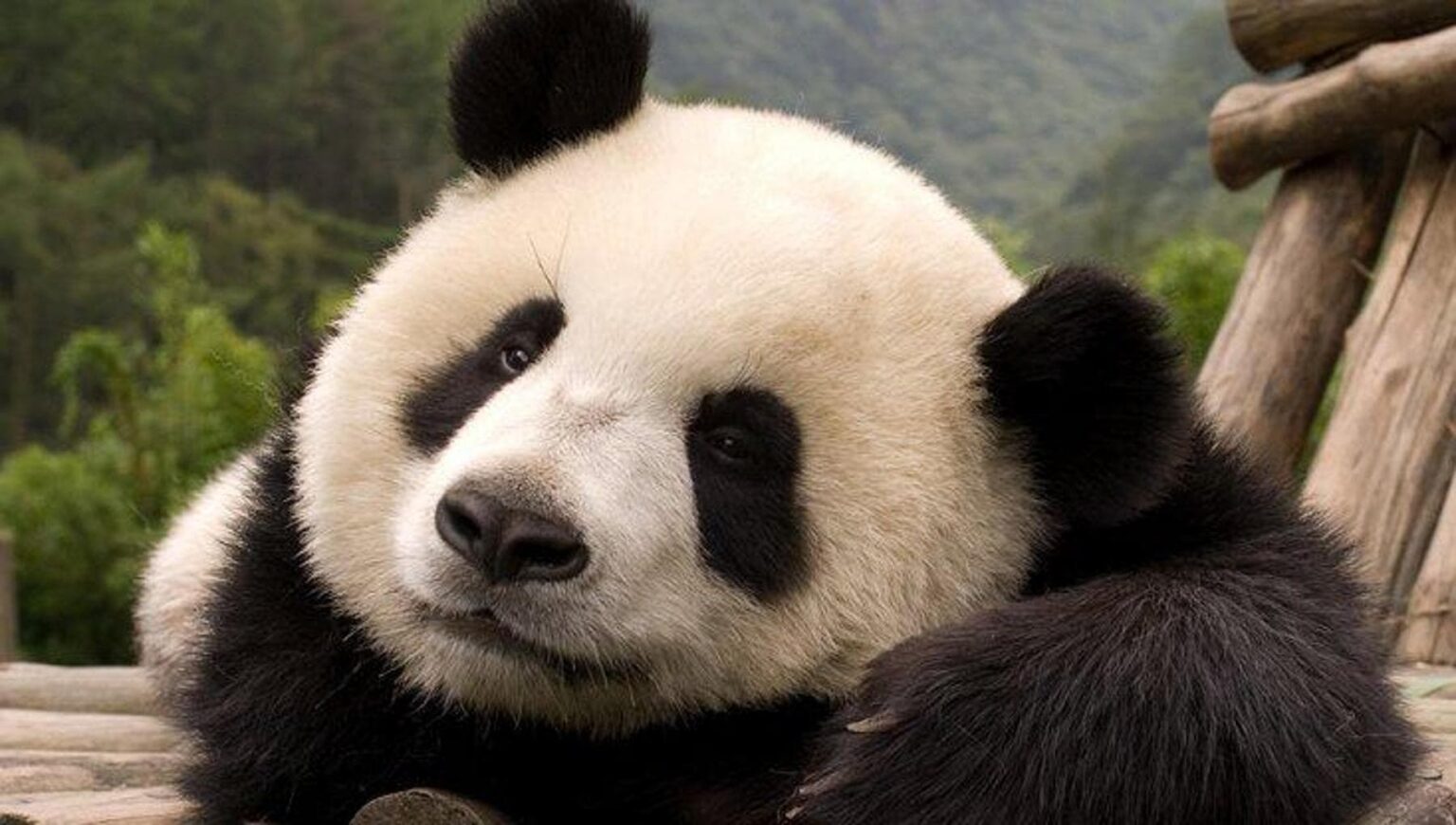
A new study reveals how giant pandas housed in zoos far from their native lands can suffer from a sort of "jet lag."“. This, consequently, influences activity and potentially well-being, with significant implications for the conservation of this vulnerable species.
Giant pandas in captivity suffer from jet lag: study
The research, published in the journal Frontiers in Psychology, sheds light on how the internal clocks of these iconic black and white bears, regulated by environmental cues, can become out of step with their new latitudes. As lead author Kristine Gandia of the University of Stirling explains, all animals, including humans, have developed rhythms to synchronize their internal and external environments. However, when these internal clocks are not aligned with crucial external cues like light and temperature, negative effects can arise, similar to jet lag in humans, ranging from simple discomfort to metabolic problems and mood disturbances.
Monitoring in six zoos
You may have been shocked by this discovery, but even giant pandas suffer from jet lag. Indeed, the bears, with their lives closely tied to the seasons—from their preference for specific types of bamboo and fresh shoots that trigger migrations, to their mating season synchronized with food abundance—are an ideal species to study the impact of the circadian clock on well-being and behavior. To better understand this phenomenon, Gandia and his team monitored the behavior of 11 giant pandas housed in six zoos, sboth within and outside their natural latitudinal range in China. Using webcams, observers conducted hourly sampling to assess how the pandas' activity changed throughout the day and throughout the year.
Observations revealed that Daylight and temperature are particularly important cues for pandas. Closely related to their general activity at the latitudes corresponding to their natural habitat. Like their wild counterparts, captive pandas showed three peaks of activity in 24 hours, including one at night, and adults exhibited sexual behavior only during the day.
The discovery
However, the key finding is that Pandas living outside their native latitude tended to be less active. This decline in activity is likely due to the fact that light and temperature signals vary significantly at different latitudes. The researchers noted that the behavioral discrepancy was greater when the light and temperature signals received by pandas at other latitudes were more divergent than those experienced by pandas in their natural range. "When giant pandas are housed at higher latitudes, that is, when they experience more extreme seasons than those for which they evolved, this changes their overall activity levels and anomalous behavior," Gandia said.
In addition to natural signals, the study highlighted how pandas also respond to zoo-specific anthropogenic signals, showing peaks of activity in the early morning and behaviors suggesting anticipation of the arrival of the workers with food. They have also been observed abnormal sexual behaviors, which researchers hypothesize may be related to frustration resulting from the inability to migrate or mate normally. Interestingly, pandas at different latitudes exhibited fewer anomalous behaviors, perhaps because they weren't receiving the same cues for sexual behavior.
Read also: The Beauval panda couple returns to China, with health and diplomacy being the main concerns.
The importance of environmental impact
These findings underscore the importance of considering the impact of the artificial environment on the well-being of captive pandas, especially for a species whose physiology and behavior are so closely linked to seasonal rhythms. As Gandia emphasizes, to extend this research, it would be useful to include an analysis of physiological cycles, particularly sex hormones, to better understand how the environment can influence the timing of their release. This further understanding could prove crucial for improving strategies to promote successful reproduction in this vulnerable species, notoriously difficult to breed. Ultimately, recognizing and mitigating the effects of jet lag in captive pandas is a crucial step, not least to ensure their well-being and long-term survival.