






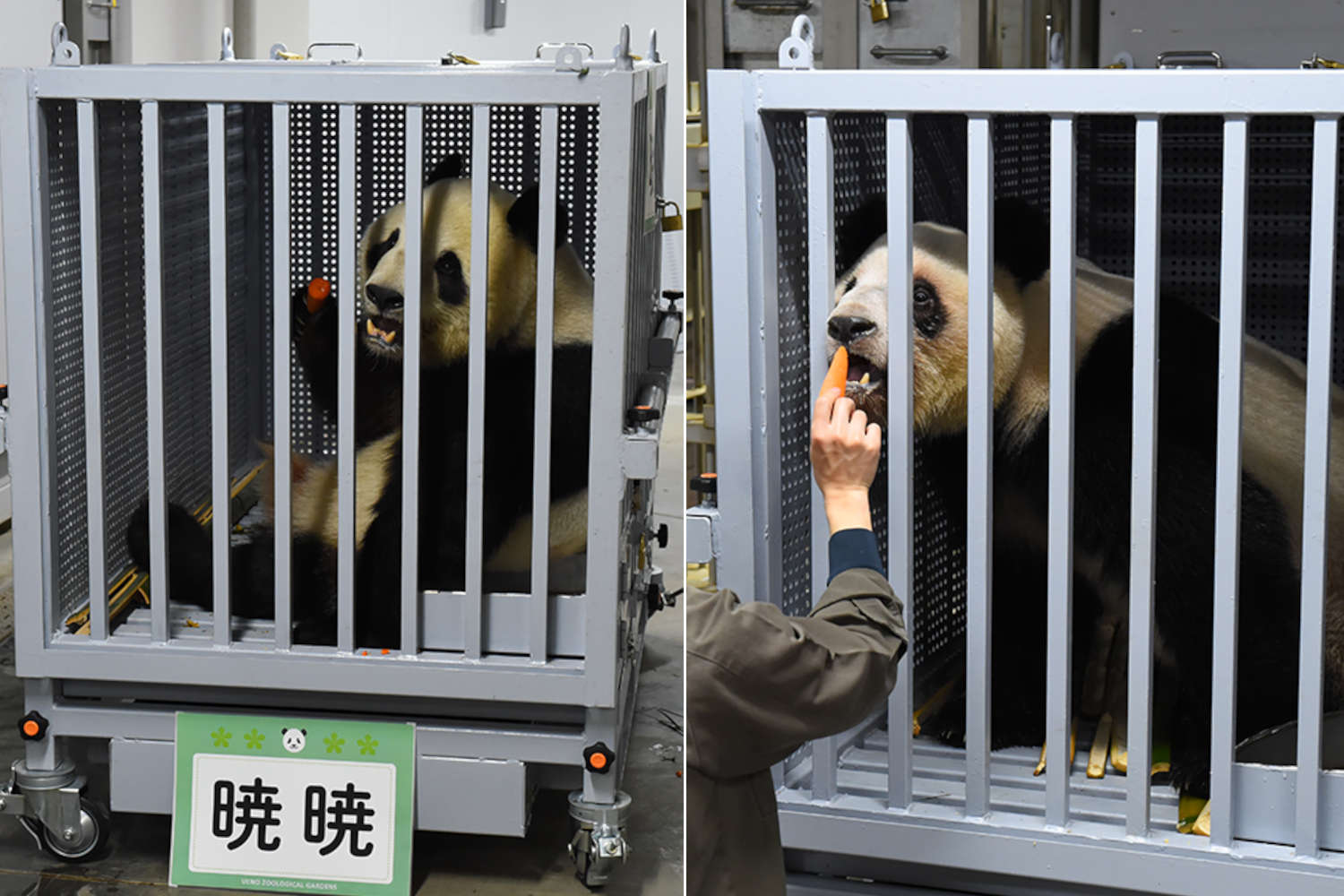
When a giant panda leaves China for an international zoo, it's not a normal animal movement. It's a highly coordinated operation, part of the so-called “panda diplomacy program”, which combines conservation, scientific research, and international relations. Each transfer is planned down to the smallest detail and can take months of preparation. The goal is simple: to ensure the giant pandas' maximum safety during their journey and their well-being throughout their journey and while they are loaned to the zoo.
The Journey of the Giant Pandas: When the Protected Species Becomes Borrowed
The journey of giant pandas is an extremely delicate moment. They are never "gifted," because they always remain the property of China. What happens, in fact, is the famous loan Regulated by very specific agreements, it typically lasts between 10 and 15 years and includes rigorous conditions for both the host facility and the animals' protection. During this period, the pandas live in the zoo or research center hosting them, but their relocation is never a mere symbolic operation. Behind it is an international agreement involving scientific, diplomatic, and economic aspects. In this way, China continues to play a central role in the conservation of the species, while the host country participates in research, education, and protection programs for giant pandas.
These agreements provide for:
- Scientific collaborations between research institutes;
- Conservation and reproduction programs;
- A financial contribution intended for the protection of the natural habitat.
The transfer only takes place when all conditions are met, including very high standards for the host facilities.
How is transportation organized?
The pandas' journey almost always takes place by air, aboard specially equipped cargo flights to ensure safety, stability, and the greatest possible comfort during the transfer.
Every detail is studied:
- Pandas travel in special crates, designed for comfort and safety;
- There are always veterinarians and expert keepers on board;
- Temperature and humidity are constantly monitored;
- Noise and stress are reduced to a minimum.
A panda can consume up to 40 kg of bamboo a day, so a fresh supply of food is also carried during the journey. A concrete example: during some international transfers, pandas travel with hundreds of kilos of bamboo and receive continuous care throughout the flight.
Safety measures during the trip
Safety is a top priority at every stage of the transfer, as a journey of this kind involves not only the health and well-being of the panda, but also the safety of everyone involved. For this reason, very strict procedures are adopted, with thorough checks before departure and constant monitoring throughout the entire journey, to minimize any potential risks.
Key measures include:
- Thorough health checks before departure;
- Constant monitoring of vital parameters;
- Contingency plans for any problems during the flight;
- Coordination between Chinese and international authorities.
Each phase is regulated by rigorous protocols that comply with international animal welfare standards.
You may also be interested in:
Li Li, il panda del Muséum di Parigi: la storia
Zoo di Beauval, le gemelle tornano in Cina
Panda Lang Yue torna in Cina a fine ottobre 2026
Arrival and adaptation to the new environment
Once arrived at its destination, the panda is never immediately put on public display, as it requires a period of quarantine and gradual adaptation to its new environment. After such a delicate journey, the animal must first regain its composure, orient itself in its new space, and slowly acclimate to noises, smells, temperatures, and routines different from those it was accustomed to.
For this reason, during the first few weeks, the panda is closely monitored by a team of veterinarians and keepers, who monitor its behavior, diet, and overall health. Only when it appears calm and completely at ease can the actual public experience begin. This step is crucial not only for the animal's well-being, but also to ensure a proper and respectful transition into the new facility.
This is followed by an adaptation phase that can last weeks:
- Quarantine and observation period;
- Gradual introduction to the new habitat;
- Behavior and feeding monitoring.
Only when the panda appears completely at ease is it introduced to visitors.
Why these trips are essential
The relocation of giant pandas is not only symbolic; it also represents a key element in the species' conservation strategies. Behind every move, in fact, lies not simply the idea of bringing an animal to a new zoo, but a much broader project involving scientific research, biodiversity conservation, and international collaboration. These agreements support programs dedicated to studying pandas, improving breeding techniques, and protecting wild populations in China, where habitat conservation remains a top priority.
At the same time, pandas hosted abroad also serve a very important educational purpose, attracting public attention and helping to raise awareness of the need to protect a still fragile species, closely linked to the preservation of bamboo forests. In this sense, each relocation becomes part of a broader cooperative network, in which zoos, research centers, and institutions work together not only to welcome pandas, but to contribute concretely to the species' long-term survival.
Thanks to international loans:
- Genetic diversity is promoted;
- Conservation projects are funded in China;
- Global public awareness is being raised.
Each journey tells a story of international cooperation and concrete commitment to biodiversity.